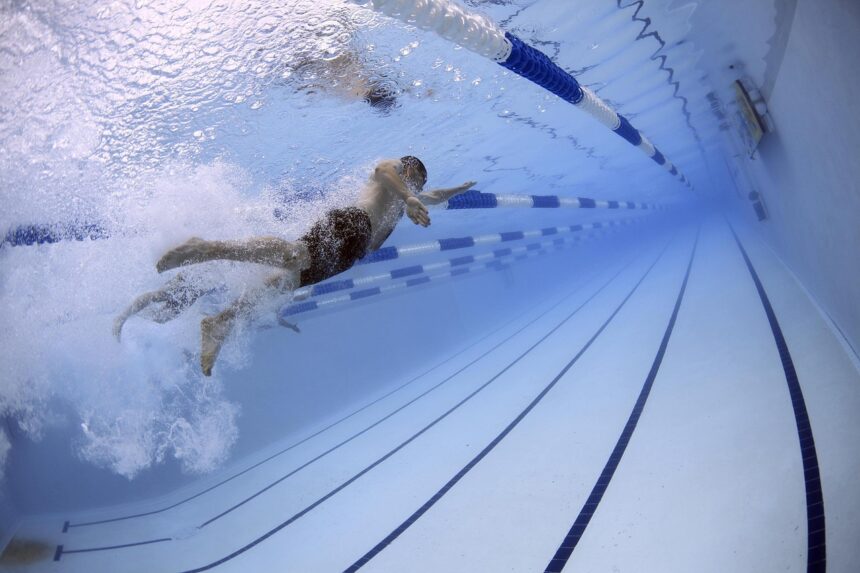
Recent changes to swimming pool regulations in Cyprus mark a significant shift for property owners and businesses alike.
Understanding the 2025 Swimming Pool Law
The new swimming pool laws passed by the Cypriot Parliament on 10 July 2025 introduce a structured framework categorising pools and outlining the compliance requirements for different types. This legislation is essential for owners of residential properties, hotels, and holiday rentals, given its potential to impact operational standards and safety protocols.
The Three Categories of Swimming Pools
Under the 2025 legislation, swimming pools are classified into three clearly defined categories:
Type 1: Public and High-Risk Pools
- Recreational swimming pools
- Public-access pools
- Water parks
Type 1 pools are subject to the most stringent regulations due to their high volume of users and are intended strictly for public use.
Type 2: Business-Related Pools
- Hotel pools (including shared swim-up pools)
- Pools at campsites
- Spa pools and hydrotherapy facilities
- Club swimming pools
This category covers pools associated with businesses, which are still classified as public use, necessitating adherence to public safety guidelines.
Type 3: Private and Shared-Use Pools
- Pools at self-catering holiday rentals
- Shared-use pools serving up to five residential units
Type 3 pools are designed for private use, limited to the property owner, their family, or rental guests, thus granting them more relaxed regulations.
Relaxation of Requirements for Type 3 Pools
The newly established law alleviates certain obligations for owners of Type 3 private pools. If your pool serves more than five residential units, the following provisions apply:
- No requirement for a lifeguard
- No need to apply for a swimming pool operating permit
- Only occasional inspections, mainly during peak summer months
This adjustment is a significant step forward, allowing property managers to operate with reduced bureaucratic burden while still prioritising safety.
New Safety Regulations for All Pools
To enhance safety across the board, the legislation enforces specific rules aimed at preventing environmental hazards and ensuring public safety. These measures include:
- All unused or non-operational pools must be fenced off and equipped with a secure safety cover
- Any accumulation of rainwater or stagnant water must be drained by the owner to prevent mosquito breeding and mitigate risks to children and pets
These regulations apply universally to all pool types, ensuring a baseline standard of safety for every facility across the Republic of Cyprus.
The Path to Regulation: A Twenty-Year Journey
The passage of the 2025 swimming pool law marks the culmination of two decades of advocacy for sensible swimming pool management in Cyprus. Initially, in November 2005, calls were made to redefine pools in apartment complexes as private entities. This recognition for shared-use pools was echoed over the years through various proposals and community efforts aimed at addressing the inconsistencies and challenges surrounding existing regulations.
Throughout this lengthy timeline, numerous discussions with governmental authorities sought to highlight the need for a framework that distinctly categorises between public and private pools. Each effort contributed to shaping the eventual incorporation of EU safety standards into Cypriot law. The revised legislation now rightly distinguishes between different pool types, fostering a safer environment while simultaneously facilitating compliance for property owners.
As the 2025 swimming pool law comes into effect, it is vital for property owners and managers to understand the implications and responsibilities associated with each pool category. With potential penalties for non-compliance, seeking professional advice may be prudent for those uncertain about specific obligations or required modifications to their pools.
In conclusion, the legislative reforms surrounding swimming pool regulations in Cyprus offer a practical approach that streamlines compliance while enhancing safety measures. As the government moves toward stricter enforcement of these laws, the focus should persist on prioritising the well-being of residents and visitors alike. Your experience and insights are invaluable; consider sharing your thoughts on these changes and how they may affect your property in the comments below.