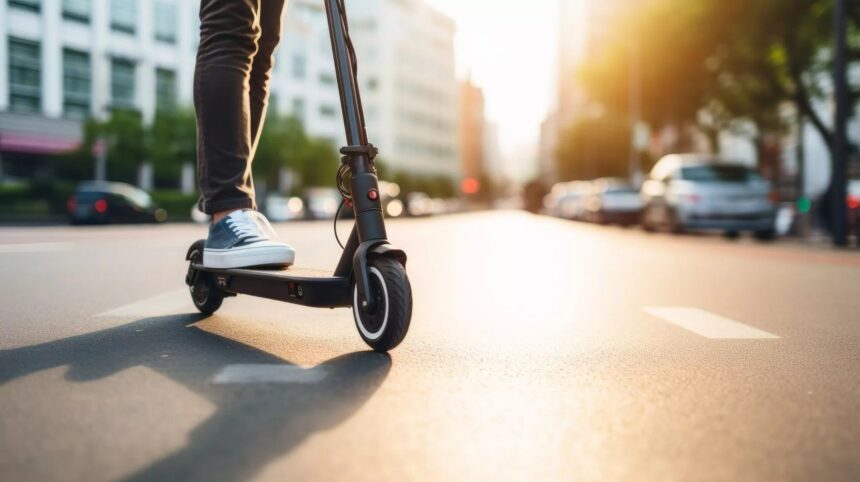
minimum scooter — The Transport Ministry has proposed raising the minimum scooter driving age to enhance safety, following three fatalities since 2019. This initiative aims to curb reckless use of electric scooters, a growing concern highlighted by senior ministry official Afroditi Kofterou during a recent parliamentary committee meeting.
Minimum scooter: Challenges in Electric Scooter Regulation
Kofterou explained to the committee that there is currently no uniform approach across Europe regarding electric scooter regulations. Each country has developed its own system, leading to inconsistencies and confusion among users. To address these issues without implementing a costly device registry, the ministry is looking towards Germany’s marking system for scooters.
Proposed Changes to Scooter Regulations
In a bid to improve safety standards, the ministry has put forward several key proposals:
- Raising the minimum driving age from 14 to 16.
- Reducing the maximum speed for electric scooters to between 20 and 25 km/h.
- Confiscating scooters from riders who violate regulations.
One of the main features of the proposal is the introduction of insurance companies issuing specific markings for scooters. These markings will indicate compliance with the law and identify the insured owner, which aims to simplify the process for law enforcement when checking the legality of scooters on the streets.
Insurance and Safety Concerns
The Insurance Companies Association has acknowledged that under the current law, providing coverage for scooter users is not feasible. However, they have suggested implementing civil liability insurance for users, with coverage limits up to €100,000. This proposal hinges on resolving four major issues: infrastructure, registration, identification, and ensuring the certification of device characteristics.
Call for Stricter Regulations
Members of Parliament have echoed the need for further measures, advocating for scooters to be registered and insured. A significant concern raised is the current lack of adequate road infrastructure to ensure safe circulation for scooter users. Stakeholders have largely opposed a blanket ban on scooters, favouring stricter safety regulations that would support sustainable urban mobility instead.
Current Electric Scooter Laws
Under existing laws, electric scooters are permitted to operate on roads with speed limits up to 30 km/h, as well as on designated cycle paths and areas shared with pedestrians. Riders are required to wear helmets, and fluorescent vests are mandatory at night. Additionally, scooters must be equipped with working brakes, front and rear lights, bells, and proper tyres, with a design speed limit of 20 km/h.
Rising Incidents and Public Concerns
Despite these regulations, the rise in usage has led to an alarming number of complaints. From 2019 to 2025, there were 7,575 complaints related to scooter violations. The most frequent infractions included:
- 3,061 cases for riding in unauthorised areas.
- 2,215 instances of riders not wearing helmets.
- 935 violations for missing fluorescent markers.
Since 2019, three individuals have lost their lives in scooter-related accidents, alongside 13 serious injuries and 12 minor injuries reported between 2021 and 2025.
Looking Ahead: A Safer Future for Scooter Use
The proposed changes reflect a concerted effort by the Transport Ministry to enhance safety for all road users amid the growing popularity of electric scooters. By raising the minimum driving age, implementing stricter speed limits, and establishing a marking system, the ministry hopes to reduce accidents and fatalities linked to scooter use.
Stakeholders and MPs continue to engage in discussions that will shape the future of electric scooter regulations, aiming for a balanced approach that promotes safety while encouraging sustainable transportation options in urban areas.