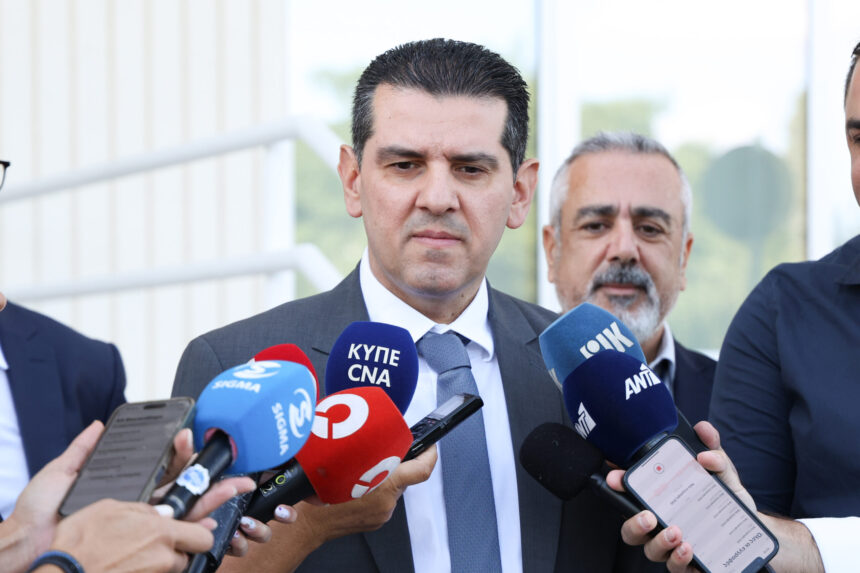
The connection of electricity grids between Cyprus and Lebanon has taken a significant step forward with the recent agreement between the two nations. On Thursday, Cypriot Energy Minister Michael Damianos and Lebanese Energy Minister Joseph Al-Saddi confirmed that they, along with the World Bank, will prepare a preliminary feasibility study to explore the potential interconnection.
Electricity grid: Strategic Cooperation in Energy
Both governments view this initiative as a pivotal milestone in enhancing regional energy cooperation. In a joint statement, they expressed that the project aims to bolster energy security and promote sustainable economic development in the eastern Mediterranean.
World Bank’s Role and Methodology
The two ministers acknowledged the World Bank’s ongoing support and its critical role in advancing this strategic initiative. They endorsed a phased approach proposed by the World Bank for conducting the feasibility study, which will first assess the balance of electricity supply and demand, alongside a high-level economic analysis under various agreed scenarios.
“Subject to positive findings, the work will then proceed to a detailed techno-economic prefeasibility assessment,” the ministers stated. This structured approach is designed to facilitate informed decision-making at each stage of the project.
Joint Steering Committee for Project Oversight
To ensure comprehensive oversight, both governments will establish a joint steering technical committee. This committee will collaborate closely with the World Bank throughout the project’s development, reinforcing the commitment to a robust technical and economic foundation for the interconnection.
Potential Benefits of the Interconnection
The electricity interconnection between Cyprus and Lebanon could significantly enhance the energy landscape in the region. By integrating their grids, both countries could improve energy security, facilitate the sharing of renewable resources, and ultimately lower energy costs for consumers. The ministers have expressed confidence that the prefeasibility assessment will provide a solid foundation for evaluating the project’s viability.
Context of Regional Energy Projects
Lebanon and Cyprus currently find themselves isolated from neighbouring electricity grids. However, Lebanon has recently signed an agreement with Syria, aimed at establishing an electricity interconnection between the two countries. Meanwhile, Cyprus is also pursuing connections with its neighbours, with two proposals currently on the table, one of which has received endorsement from the Republic of Cyprus.
The endorsed plan, known as the Great Sea Interconnector, aims to link the electricity grids of Cyprus, Greece, and Israel. Recent developments regarding this project include a joint request from the governments of Greece and Cyprus to the European Investment Bank for a new diligence study, paving the way for potential funding for its completion.
European Commission Support
The Great Sea Interconnector has also garnered significant backing from the European Commission. Energy Commissioner Dan Jorgensen highlighted its importance, stating that it will end Cyprus’ energy isolation, secure the stability of the island’s electrical network, and reduce energy prices significantly. He further noted that the project would enhance regional security of supply and facilitate the integration of affordable and sustainable renewable energy sources in the eastern Mediterranean.
Alternative Proposals and Regulatory Challenges
Another proposed interconnection project, backed by Turkey and the Turkish Cypriot authorities, suggests building an undersea cable to link the island’s energy grid with Turkey. However, this plan has not been recognised in the European network of transmission system operators for electricity (Entso-E) 10-year development plan, which only acknowledges the Great Sea Interconnector as the viable option connecting the Republic of Cyprus.
Entso-E has stated that it will not consider any proposals for inclusion in the development plan that lack the consent of the Cyprus transmission system operator (TSO). The Republic of Cyprus’ TSO is the sole operator certified under EU law for the entire territory.
Looking Ahead
As Cyprus and Lebanon embark on this ambitious project, the successful completion of the feasibility study could open doors for enhanced energy cooperation in the region. The ministers’ commitment to a structured, evidence-based approach reflects a growing recognition of the importance of regional energy security and sustainability.
With the support of the World Bank and the European Commission, the electricity grid connection between Cyprus and Lebanon could not only strengthen bilateral ties but also foster a more interconnected and resilient energy framework for the eastern Mediterranean.