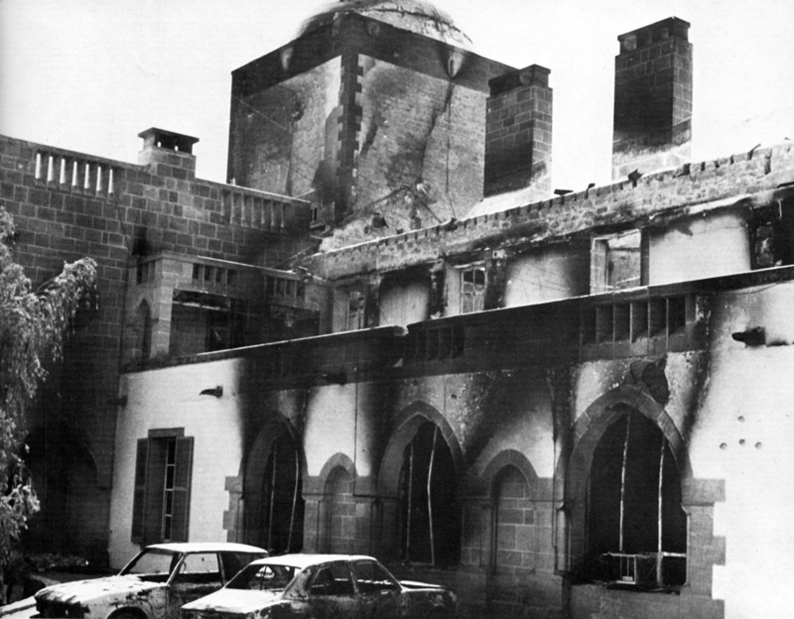
Half a century too late, the narrative surrounding Cyprus remains complex and fraught with historical missteps. On July 15, we annually reflect on the Greek Junta-inspired coup against President Makarios that provided Turkey with the pretext to invade the island just five days later. This event is often accompanied by outrage, particularly from Akel, as right-wing governments honour the Greek Cypriot commandos who fell during the national guard’s assault on the presidential palace.
Despite the passage of 52 years, a deeper examination of the conditions leading to the coup is sorely needed. The prevailing narrative posits that American interests were solely responsible for the coup, driven by fears that Makarios would turn Cyprus into a Soviet ally. His attempts to foster closer ties with the Soviet Union during the Cold War undoubtedly raised alarms, particularly as he aligned himself with Akel, the powerful communist party in Cyprus.
Whispers of CIA involvement in orchestrating the coup have persisted over the years, suggesting that the Greek Junta was merely a pawn in a larger geopolitical game. The notion that Secretary of State Henry Kissinger masterminded this plan has taken on a life of its own, framing Makarios as an unfortunate victim of Western machinations. However, this narrative often absolves him of accountability for the tumultuous events that transpired in 1974.
This interpretation fails to consider the broader context of the Cold War, where Cyprus’ independence was guaranteed by Greece, Turkey, and Britain, all of which were NATO members. Makarios’ alignment with the Non-Aligned Movement and his overtures towards the Soviet Union were provocative actions that invited scrutiny from Western powers. His political miscalculations contributed to the hostile environment that ultimately led to the coup and the subsequent Turkish invasion.
Makarios made a series of decisions that alienated key allies, positioning Cyprus in a precarious geopolitical landscape. While the actions of the Junta and Turkey cannot be justified, understanding the mistakes that precipitated such a crisis is essential. They provide insight into the intricate power dynamics of the region at that time.
Fifty years on, Cyprus has begun to acknowledge its past missteps, now seeking NATO membership and forging closer ties with Western powers. Yet, many argue that these efforts come too late to heal the wounds of a divided island.