Energy storage capacity in Cyprus is set to reach several hundred megawatts by the end of 2027, according to Energy Minister Michael Damianou. This ambitious plan aims to enhance the island’s renewable energy capabilities and fortify its electricity system.
Speaking at a workshop organised by the Cyprus Employers and Industrialists Federation (OEV) focused on reducing electricity costs, Damianou emphasised that the increased storage capacity would facilitate greater integration of solar energy into the national grid. This move is essential for improving system resilience.
As part of this strategy, the government is considering invoking Article 34 of the Electricity Market Regulation Law, following a request from the Cyprus Energy Regulatory Authority (CERA). This measure would expedite the installation of conventional electricity generation units if deemed necessary. However, Damianou noted that both his ministry and CERA are jointly assessing the situation, and the Cyprus Transmission System Operator (TSO) has indicated that there should be no electricity adequacy issues this summer.
When asked about the immediate implementation of this measure, Damianou remarked that it would be challenging. “The transmission system operator has stated that there will be no adequacy problems this summer, so this is something we will examine together with the ministry and CERA,” he explained.
On the energy storage front, the TSO has already secured contracts for its own battery storage units, with the first expected to arrive in Cyprus in January 2027. Damianou stated that 120 megawatts of TSO-owned storage capacity is anticipated to be installed before the summer of 2027. Meanwhile, the Electricity Authority of Cyprus (EAC) is also progressing with its storage initiatives, and private developers have secured connection agreements for over 150 megawatts of battery capacity.
“I believe that by the end of 2027 we will have several hundred megawatts of storage in the system, allowing greater penetration of renewable energy, particularly solar power, into our energy mix, which will also help improve adequacy,” Damianou said, highlighting the significance of these developments.
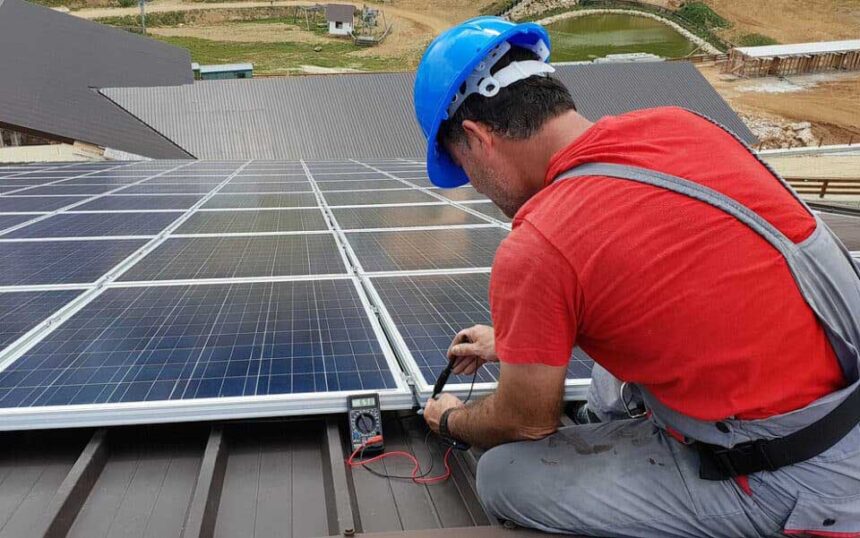
However, he cautioned that energy storage alone cannot fully address the electricity security challenges facing Cyprus. “There are days when there is no sunshine. If photovoltaic systems are not generating electricity, there will be no energy available to charge batteries,” he pointed out. Despite this limitation, he acknowledged that increased storage capacity would substantially reduce renewable energy curtailments, particularly for household solar systems, marking a positive step forward.
On the subject of high electricity prices, Damianou identified the electricity distribution and settlement system as a critical challenge. “It is a major issue which we expect to resolve,” he stated, describing the situation as highly technical. Addressing concerns about fuel prices influenced by events in the Middle East, he noted that these prices are subject to international market conditions. “There are always fluctuations depending on developments in the Middle East. Prices reached very high levels before easing somewhat,” he added, attributing the volatility to factors beyond Cyprus’ control.
The OEV-hosted workshop brought together government officials, regulators, and energy stakeholders to explore practical measures for reducing electricity costs. OEV president George Pantelides expressed the organisation’s commitment to identifying effective strategies for lowering energy expenses for businesses and consumers alike. Participants also discussed the effectiveness of the competitive electricity market, which launched nine months ago, while evaluating alternative energy options including natural gas, hydrogen, and nuclear energy.
Earlier in the day, Damianou marked the 52nd anniversary of the 1974 coup, referring to it as “a sad day for our country” and acknowledging it as the beginning of the twin crimes of the coup and invasion. He paid tribute to those who defended democracy during that tumultuous period.