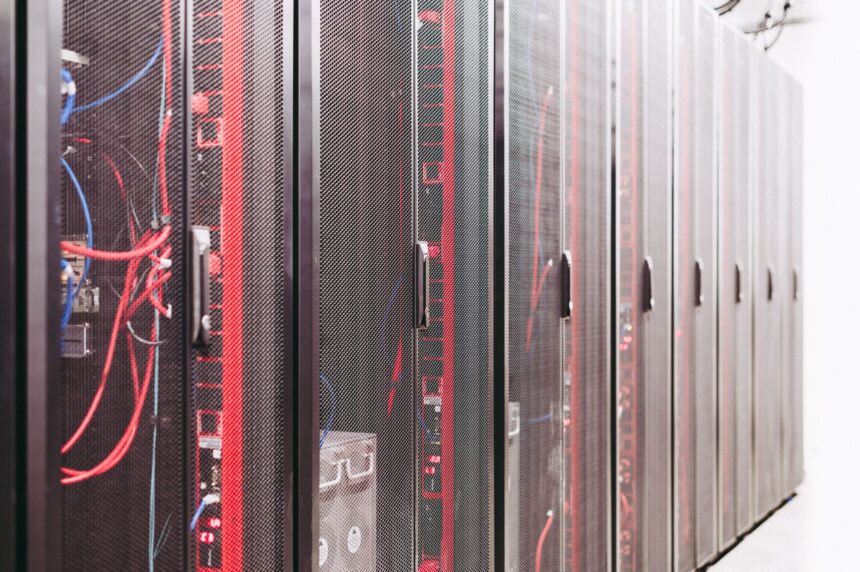
Secure data rooms are becoming essential in the landscape of cross-border mergers and acquisitions (M&A) in Europe, where trust is paramount. For companies preparing for transactions, sharing sensitive information with advisers, investors, and lenders is crucial. Such information often includes employee data, customer contracts, tax records, board papers, intellectual property files, and financial forecasts.
In particular, Cyprus-based companies find this issue especially pertinent as the island continues to attract international businesses and professional services firms operating across Europe and the Middle East. The more international the transaction, the greater the need for a disciplined approach to information management.
Secure data: Traditional Tools Fall Short
Many firms still rely on familiar tools like email attachments and cloud folders to initiate transactions. While convenient, these options lack the necessary features for handling high-value transactions where confidentiality and access control are vital. The risks are not limited to cyberattacks; everyday operational oversights—such as sending the wrong file or failing to revoke access—can jeopardise a transaction. In M&A processes, such small errors can erode buyer confidence, prompt lenders to demand additional verification, or require boards to provide evidence of document access.
The Solution: Virtual Data Rooms
A virtual data room (VDR) is specifically designed for secure information exchange in M&A contexts. It offers a controlled environment for storing, organising, and sharing confidential documents, allowing companies to set permissions based on the role or type of bidder. Audit trails track all activity, ensuring that sensitive discussions remain within a secure environment rather than being scattered across various email inboxes.
Regulatory Landscape and Expectations
European companies are already accustomed to stringent data protection requirements due to the General Data Protection Regulation (GDPR). However, data protection is just one element of the broader digital risk landscape. Sectors like financial services and crypto-assets are increasingly expected to demonstrate operational resilience, vendor oversight, and secure information handling. The European Union’s Digital Operational Resilience Act (DORA), effective from 17 January 2025, will further strengthen these expectations, particularly for financial entities.
This regulatory shift aligns with the broader trend in Cyprus, positioning the country as a hub for fintech, artificial intelligence, and blockchain activities. As opportunities grow, so does the responsibility for companies to handle confidential information with enhanced care in cross-border transactions.
Essential Features for CFOs and Boards
When selecting a secure data room, CFOs and company boards should not treat it as an afterthought. Instead, it should be integral to the transaction readiness process. Key considerations include:
- Access Control: Can the platform accurately restrict access? A buyer should not have visibility over lender-specific documents, nor should one bidder group see another’s Q&A.
- Audit Trails: Does the platform maintain a useful record of who accessed which documents? In regulated contexts, this can be as crucial as the documents themselves.
- Transaction Pace: Can the system keep up with the transaction’s speed? Cross-border deals often involve advisers across different time zones, necessitating efficient organisation and communication.
- Integrated Features: Does the platform minimise the need for sensitive data to leave the controlled environment? Secure chat and document preview capabilities can help maintain confidentiality.
For companies operating across Europe, platforms like Boundeal offer secure deal infrastructure for M&A, fundraising, and due diligence, combining controlled access, AI-assisted review, secure communication, and digital signing in one space.
A Well-Structured Data Room Enhances Transaction Confidence
The quality of the transaction process can significantly influence valuation, speed, and trust. An unorganised data room can create an impression of unpreparedness, leading to missing files, unclear permissions, and inconsistent answers. These shortcomings can prompt counterparties to delay negotiations or broaden the due diligence scope.
Conversely, a well-structured data room conveys a message of governance, confidentiality, and execution discipline. It allows advisers to respond more swiftly and reduces unnecessary friction, providing boards and management teams with clearer oversight of the process.
For companies in Cyprus engaging with UK, EU, Middle Eastern, and international investors, a secure data room offers a common operating layer, addressing varying expectations, legal frameworks, and reporting standards. As cross-border M&A continues to evolve, the infrastructure supporting these transactions must also adapt, making secure data rooms a fundamental component of successful deal-making.