A seven-hour operation to recover vehicles stuck in Larnaca salt lake has concluded successfully, after the tow rope repeatedly broke during the challenging extraction process. Two cars had remained immobilised for a week in this protected natural habitat, prompting the intervention by Larnaca municipality.
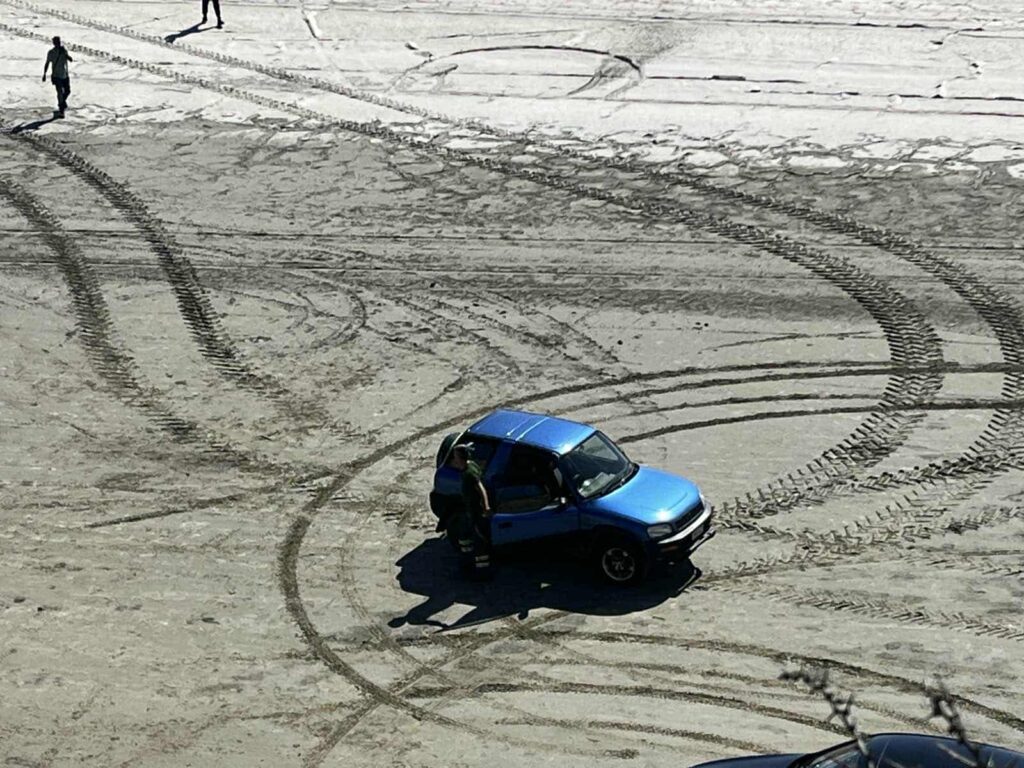
Photo: in-cyprus.philenews.com
Challenges Faced During Recovery
The operation commenced at 7am and involved a large crane from a private company, which faced numerous difficulties due to the muddy conditions of the salt lake. Ilias Hatzilias, a Larnaca municipality employee involved in the recovery, noted that the second vehicle was particularly hard to extract because both its wheels had sunk into the mud. The first vehicle was successfully towed shortly after 11:30am, with the second vehicle following at around 2pm.
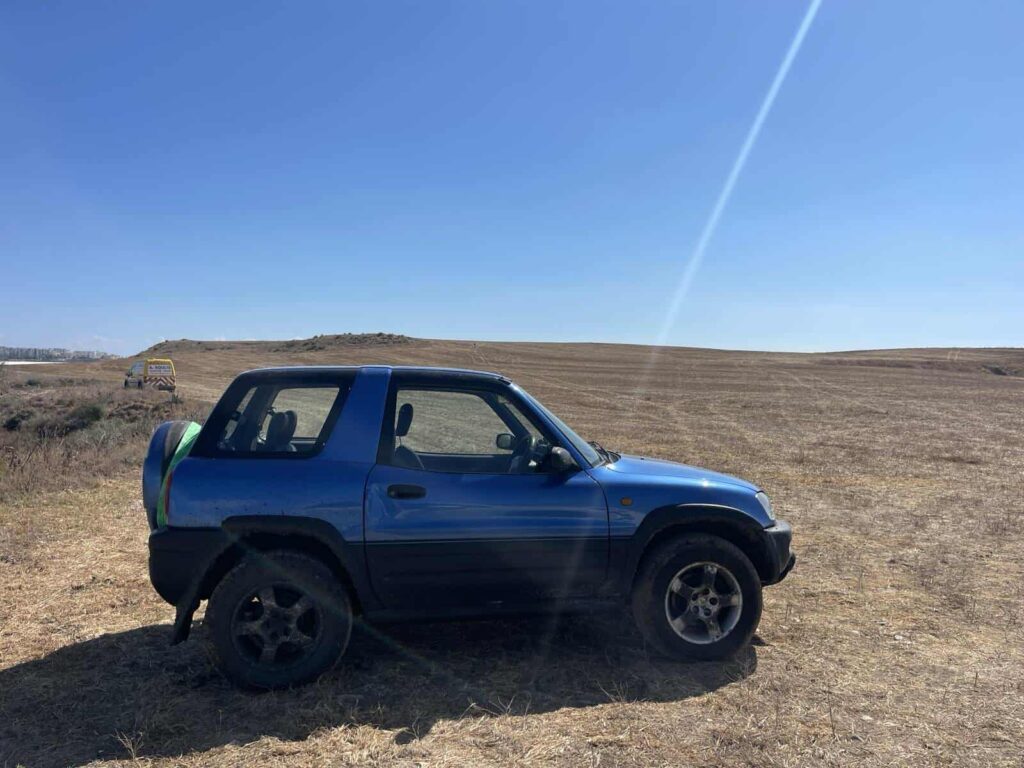
Photo: in-cyprus.philenews.com
Cost Implications for the Drivers
Following the recovery, Larnaca municipality confirmed that the vehicles would be taken to its warehouses, where the drivers would need to collect them after settling the costs incurred during the operation. The private company responsible for the extraction estimated that the total costs would range between €5,000 and €8,000.
Driver’s Motive for Entering the Salt Lake
It has been reported that the driver of the first vehicle entered the wetland area to capture photographs of the sunset. Deputy mayor Iasonas Iasonidis remarked on the situation, stating, “You see the whole process of the private company which has undertaken the extraction of the two vehicles, which at this moment appears to be successful.” He acknowledged the delay caused by the challenging conditions but remained optimistic about the outcome.
Fines and Legal Consequences
The incident has also drawn attention to the legal implications of entering such protected areas. The Game and Fauna Service has imposed a €2,000 fine on the first driver for interfering with and damaging the habitat, in accordance with the Protection and Management of Wild Birds and Game Laws. The municipality has reiterated the importance of respecting the natural environment, particularly in such a sensitive ecosystem.
Municipality’s Stance on Protecting the Habitat
Deputy mayor Iasonidis firmly stated that the municipality would not be installing fencing around the salt lake despite the incidents. He explained, “I want to say clearly that we will not close it off or put up a fence as some say because the habitat then loses its value. We must learn, both we as Cypriots and the whole world, to respect habitats and the natural environment.” This stance highlights the municipality’s commitment to protecting Larnaca salt lake, which is regarded as one of Cyprus’s most significant natural treasures.
Importance of Larnaca Salt Lake
Larnaca salt lake is not only a vital ecosystem but also a site of considerable ecological importance. It is part of the NATURA 2000 network and the Ramsar Convention, making it crucial for wildlife, especially for the various species of waterfowl that inhabit the area. Since 1997, the lake has been protected under strict national and European legislation, which aims to conserve its unique biodiversity.
Public Awareness and Compliance
Despite ongoing efforts to promote awareness about the regulations surrounding the salt lake, including signage and public campaigns, violations continue to occur. The municipality has expressed concerns over the blatant disregard for rules that are in place to safeguard the ecosystem. A statement from Larnaca municipality highlighted that any activity that directly or indirectly affects the ecosystem constitutes an offence under the Protection and Management of Nature and Wildlife Laws.
Final Remarks on the Incident
As both vehicles were successfully removed from Larnaca salt lake, the incident serves as a reminder of the importance of adhering to environmental regulations and respecting natural habitats. The community is encouraged to reflect on the implications of their actions and to engage in responsible behaviour to ensure the preservation of such invaluable natural resources.