Vada pav is a beloved vegetarian fast-food dish that has become synonymous with Mumbai’s vibrant street food scene. This iconic snack, originating from Maharashtra, has captured the hearts and appetites of millions.
- In every bite of vada pav, one can taste the history, struggle, and spirit of Mumbai, making it a quintessential part of the city's culinary landscape.
A Simple Yet Delicious Snack
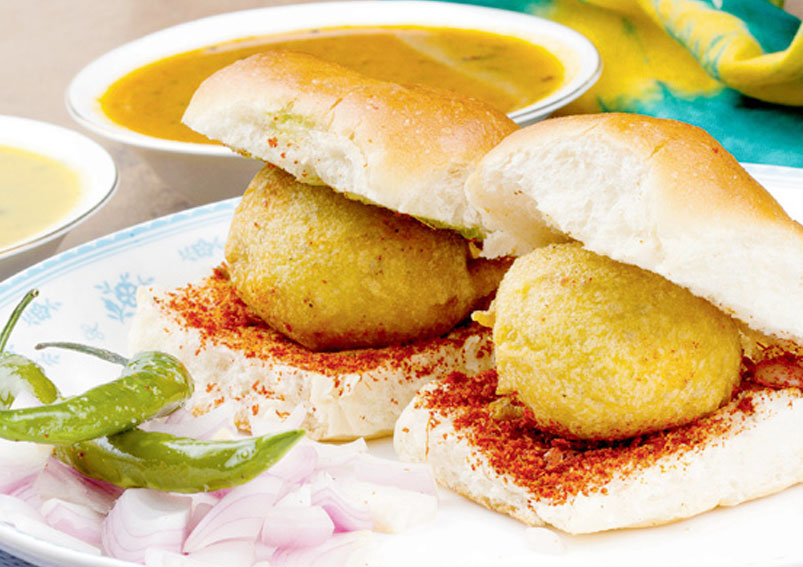
At its core, vada pav consists of a deep-fried potato dumpling nestled in a soft bread roll, known as pav. The roll is sliced almost in half, creating a convenient vessel for this flavour-packed filling. Vendors typically enhance the experience with a variety of chutneys—made from garlic, coconut, or chilli—and often serve it with a whole green chilli for those who crave an extra kick.
Convenience Meets Culture
What makes vada pav particularly appealing is its simplicity and portability. It’s the perfect snack for busy Mumbaikars who are always on the go, whether they’re commuting or enjoying a quick bite between work shifts. The potato fritter offers a satisfying bite, while the pav doubles as both container and utensil, making it a practical choice for street-side dining.
A Historical Touchstone
The origins of vada pav can be traced back to the mill districts of central Mumbai in the 1960s. It was here that Ashok Vaidya, a street vendor, began selling this snack outside Dadar railway station in 1966, primarily catering to textile mill workers. This era marked significant economic shifts in the city, as many mills were closing and unemployment surged.
The Rise of Street Vending
As job opportunities dwindled, former mill workers turned to street vending as a means of survival. The humble vada pav stall emerged as a viable source of income, transforming the way people in Mumbai viewed street food. Over the years, vada pav has evolved from a quick meal to a cultural emblem, representing Marathi identity and pride.
Political Symbolism and Identity
The snack’s rise to prominence also intersected with broader cultural and political narratives. As South Indian dishes like idli and dosa gained popularity, the Shiv Sena party leveraged vada pav to promote a distinctly ‘Mumbaiyya’ culture. In 2008, they launched a chain of vada pav outlets that hired only Marathi workers, framing this initiative as an employment scheme for locals. This move solidified vada pav’s status as more than just food; it became a symbol of regional pride and identity.
Vada Pav Today
Today, vada pav stalls are a common sight across Mumbai, contributing significantly to the city’s street life and economy. Often referred to as the ‘Mumbai burger’, it remains an affordable, accessible snack for people from all walks of life. The dish not only nourishes the body but also serves as a cultural touchstone, reflecting the resilience and ingenuity of Mumbai’s working-class citizens.
In every bite of vada pav, one can taste the history, struggle, and spirit of Mumbai, making it a quintessential part of the city’s culinary landscape.