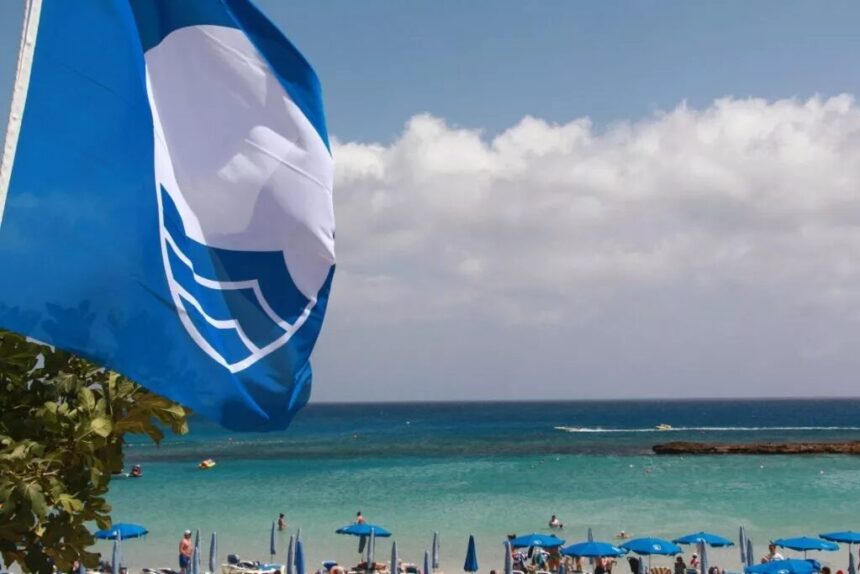
The Blue Flag program is a prestigious international symbol of quality for beaches and marinas, awarded to those that meet rigorous environmental and safety standards.
- The Blue Flag program is a prestigious international symbol of quality for beaches and marinas, awarded to those that meet rigorous environmental and safety standards.
- Maintaining cleanliness and proper facilities is vital. The award considers how well local authorities manage waste and recycling, and the protection of local ecosystems.
This initiative is entirely voluntary and is spearheaded in Cyprus by the Cyprus Marine Environment Protection Association (CYMEPA), in partnership with the Foundation for Environmental Education (FEE). Cyprus became a member in 1994, following a push from the Cyprus Tourism Organization and CYMEPA, which was established in 1992.
Ensuring Water Quality and Safety
Water quality analyses in Cyprus commenced in 1995, well ahead of the country’s EU accession in 2004. The results have consistently shown that Cyprus ranks among the countries with the cleanest bathing waters in Europe. This is largely due to the rigorous standards set by the European Bathing Water Directive, which has been enforced since EU membership.
Municipalities eager to include their beaches in the Blue Flag programme must file an application with CYMEPA. The National Jury, consisting of representatives from various governmental and environmental bodies, thoroughly reviews these applications. They assess and recommend which beaches and marinas qualify for the Blue Flag status.
Comprehensive Criteria for Awarding the Blue Flag
The responsibility for meeting the criteria rests with local authorities and marina managers. CYMEPA ensures compliance by conducting at least two inspections per season for each Blue Flag beach. The National Jury also performs control visits, while FEE occasionally sends external auditors to verify adherence.
Water Quality Monitoring
Sampling is carried out by trained Health Inspectors from the Ministry of Health, with analyses performed by the State General Laboratory. While the Directive mandates monthly testing during the bathing season, Blue Flag beaches undergo additional testing every two weeks, with results displayed prominently on information boards for transparency.
Environmental Management Practices
Maintaining cleanliness and proper facilities is vital. The award considers how well local authorities manage waste and recycling, and the protection of local ecosystems.
Promoting Environmental Education
Beaches seeking or holding the Blue Flag must provide educational information to visitors. This includes information boards near the Blue Flag mast and conducting at least one environmental awareness activity annually, fostering community engagement and knowledge.
Safety Measures and Services
Safety is paramount; lifeguards are required to be present during specified hours, which are clearly communicated on information boards. Each beach must also have an emergency plan and safe access routes, with the operating hours for lifeguards determined based on visitor numbers and geographical conditions.
Addressing Pollution Incidents
In the event of pollution detection, local authorities are obliged to inform other competent authorities immediately. Notices are posted on beach information boards, and public announcements are made to keep the community informed. The Blue Flag may be temporarily lowered until the issue is resolved, with health services conducting further sampling until water quality is restored.
Pollution can arise from both natural phenomena and human activities. The Blue Flag program not only promotes clean waters but also establishes a transparent and accountable mechanism for local authorities to communicate effectively with the public regarding environmental incidents.
Ultimately, the Blue Flag is more than just a mark of clean waters; it embodies a comprehensive strategy for environmental management, safety, and public trust, ensuring that both bathers and the marine environment are protected.