imagine peace — The Imagine peace education programme is facing jeopardy as the United Nations warns that Cyprus risks breaching international law. Three UN Special Rapporteurs have raised alarms over political interference, delays, and the suspension of participation in the north.
- Furthermore, they warned that negligence in these matters, whether through action or inaction, could lead to breaches of international law.
In letters released on Tuesday, the independent experts called on both the Republic of Cyprus and the Turkish Cypriot authorities to restore and safeguard the programme. They described Imagine as “the single operational mechanism in Cyprus that systematically fosters trust” between the two communities.
The rapporteurs, Bernard Duhaime, Alexandra Xanthaki, and Farida Shaheed, expressed concern about actions from both sides that are undermining ongoing peacebuilding and reconciliation efforts. Summaries of the letters indicate that neither the Republic nor the north had responded publicly by the deadline, which was set for Monday, despite being given 60 days to do so.
Specifically, the communication to the Republic pointed to the delayed issuance of an education ministry circular that would authorise schools to engage in Imagine activities for the academic year. This circular was eventually issued on February 18, marking the first time since the programme began in 2016 that it was not distributed before the start of the school year.
In their findings, the rapporteurs noted that various media outlets, political parties, and nationalist groups had spread “divisive rhetoric and misinformation,” particularly regarding student visits to the north. This atmosphere has fostered a “climate of fear,” resulting in schools withdrawing from planned bicommunal activities.
The UN experts urged the Republic to clarify the reasons behind the delays and outline steps taken to counter the misinformation that has impacted the programme. They also requested updates on the implementation of recommendations from the technical committee on education made in 2017.
Turning their attention to the north, the rapporteurs addressed the ongoing suspension of the programme in Turkish Cypriot schools, which has been in effect since October 2022. The suspension was enacted through a circular citing policies about “sovereign equality” and “two separate states.”
According to the rapporteurs, this suspension has “significantly hindered the delivery of the project,” despite repeated calls from the UN Security Council and its Secretary-General Antonio Guterres for cooperation on peace education initiatives.
The UN experts have requested clarification from the northern authorities on whether there is a review of the suspension underway, as well as information on measures being taken in education and institutional reform to prevent future human rights violations.
In framing their concerns, the rapporteurs highlighted the importance of education systems and public discourse in either fostering reconciliation or deepening divisions. They emphasised that “measures in the field of education should help nurture dialogue, democratic citizenship and respect for human rights.”
Furthermore, they warned that negligence in these matters, whether through action or inaction, could lead to breaches of international law.
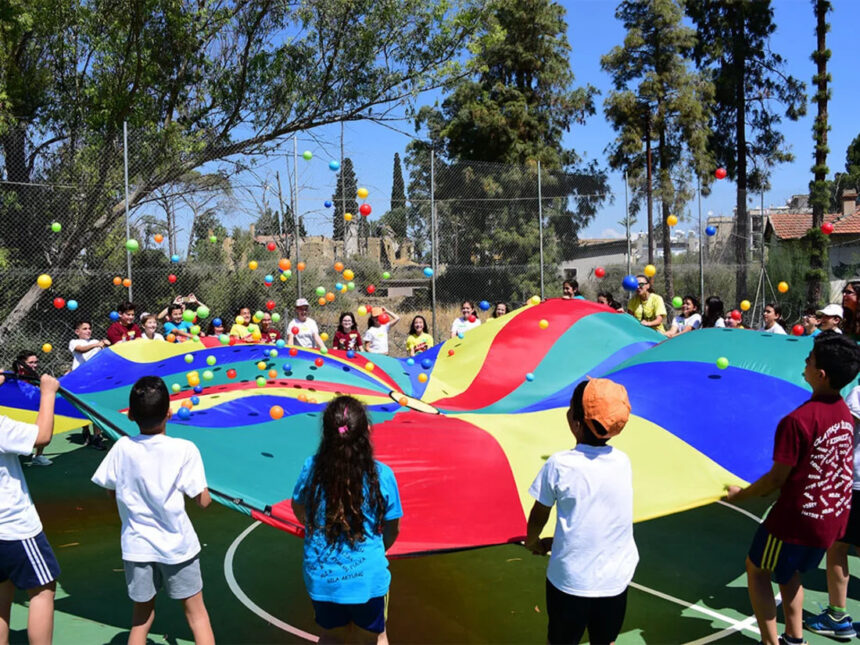
Established in 2016, the Imagine programme was officially placed under the auspices of the bicommunal technical committee on education a year later, with the agreement of both community leaders. Since its inception, more than 8,000 students and 2,600 teachers have participated in the initiative.
The UN Security Council has consistently referred to Imagine as an essential confidence-building measure, and in its Resolution 2815 adopted earlier this year, it reiterated the call for both sides to enhance their peace education efforts.