uk inflation — UK inflation has slowed to 3.6% in October, providing a glimmer of hope for a potential rate cut from the Bank of England in December. This decline marks the first easing in inflation since May, as reported by the Office for National Statistics.
In September, inflation was at 3.8%, and the latest figures arrive just ahead of next week’s pivotal annual budget. The change aligns with forecasts from both the Bank of England (BoE) and economists surveyed by Reuters.
Uk inflation: Market Reactions to Inflation Data
Following the announcement, the British pound experienced a slight dip against the US dollar. Additionally, two-year gilt yields decreased, with interest rate futures signalling a quicker pace of cuts anticipated for 2026.
Expert Opinions on Future Rate Cuts
Martin Beck, chief economist at WPI Strategy, noted, “With inflation now on what should be a sustained downward path, economic growth softening, and next week’s budget likely to deliver a significant fiscal tightening, the conditions are in place for a BoE rate cut in December.”
Bank of England’s Decision-Making Landscape
Earlier this month, the BoE decided to pause its quarterly pace of rate cuts, with Finance Minister Rachel Reeves expressing a commitment to avoid tax and spending measures that could exacerbate inflation in her budget presentation on November 26. “The cost of living is still a big burden on families right across the country, and that’s why, in the budget next week, I’ll be taking targeted action to bring down inflation to address the cost of living,” Reeves remarked.
Historical Inflation Trends
Some economists have suggested that measures introduced in last year’s budget, such as an increased minimum wage and elevated taxes on employers, have contributed approximately 1 percentage point to the current inflation rate, which remains the highest among major advanced economies.
Despite the recent slowdown, the BoE had previously projected that inflation would stay above its 2% target until mid-2027, primarily due to wage growth exceeding the central bank’s expectations for stable inflation, given the current stagnation in productivity.
Sector-Specific Inflation Insights
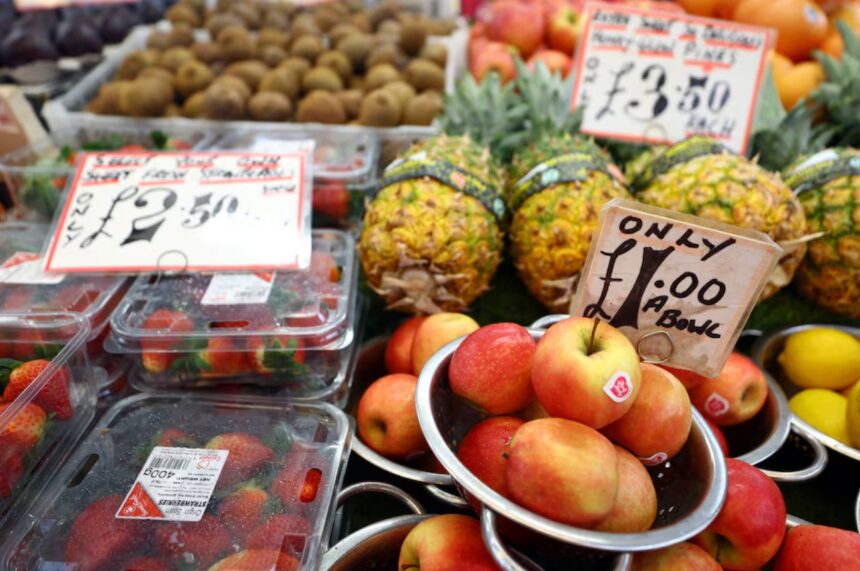
Services price inflation, a crucial indicator for the BoE, fell slightly more than anticipated to 4.5% in October, down from 4.7% in September. This drop can be attributed to lower household electricity and heating bills, alongside reduced hotel costs. However, food and drink inflation has seen an uptick, rising to 4.9% from 4.5% in October, with expectations that it may peak at 5.3% come December.
Factory Prices and Economic Factors
According to separate data from the ONS, factory gate prices rose by 3.6% year-on-year in October, up from 3.5% in September. The potential for a rate cut on December 18 remains uncertain, as the BoE’s Monetary Policy Committee previously voted 5-4 against cutting rates in November.
BoE Governor Andrew Bailey indicated a willingness to consider a rate cut if further evidence of decreasing underlying price pressures emerged. However, chief economist Huw Pill expressed scepticism regarding the near-term data, citing persistently high wage growth.
Future Considerations for Policymakers
Economist James Smith from ING pointed out that the larger-than-expected decline in services inflation could be influenced by fluctuating airfare prices, which some policymakers might discount. He added that rising prices in restaurants and cafés, often viewed as indicators of persistent inflation, could complicate the outlook due to their correlation with broader food price increases.