
A fresh wave of scrutiny has gripped the Republic of Cyprus as a new corruption investigation unfolds, casting a spotlight on government transparency and accountability. The probe, launched within the last 48 hours, focuses on alleged irregularities involving high-ranking officials and key public contracts, intensifying public demands for clearer oversight mechanisms. This latest development comes amid broader calls from civil society groups and opposition parties for stronger institutional reforms to combat endemic corruption and restore trust in Cyprus’s public administration. As the investigation gathers momentum, questions are mounting about the effectiveness of existing anti-corruption measures and the government’s commitment to transparency.
Unfolding Timeline of the Latest Corruption Investigation
The recent corruption probe in Cyprus escalated swiftly over the past 48 hours, marking a critical juncture in the country’s ongoing battle against official misconduct. The investigation, which centers around alleged irregularities in public procurement contracts within a key government ministry, began when financial auditors flagged discrepancies during a routine review last month. Since then, several senior officials have been called in for questioning, and multiple properties were raided as part of the evidence-gathering efforts. Authorities confirmed that bank records, tender documents, and electronic communications were seized, suggesting a wide-ranging network of potential illicit activities.
In an official statement, the Attorney General emphasized the government’s commitment to transparency, declaring, “This probe is a testament to the Republic’s zero tolerance policy toward corruption. Our goal is to restore public faith through a thorough and impartial investigation.” The announcement has sparked strong reactions from opposition parties who insist on swift judicial action, arguing that previous scandals have too often ended in impunity. Public confidence in governance, already shaken by earlier controversies, appears to be at a tipping point as citizens closely monitor unfolding developments and demand accountability at the highest levels.
Key Figures and Institutions under Scrutiny
The ongoing probe into alleged corruption within Cyprus’s public sector has brought several high-profile figures and key institutions under intense scrutiny. Among those reportedly involved are senior officials from the Ministry of Finance and prominent executives within state-owned enterprises. Investigators have also turned their focus toward members of influential regulatory bodies, raising concerns regarding oversight failures that may have facilitated illicit activities. The Attorney General has emphasized that the investigation is being conducted with impartiality, stating that “no individual or institution is above the law.”
Beyond individual accountability, the probe has spotlighted systemic weaknesses in governance and transparency mechanisms. The audit processes of several major public contracts, particularly those related to infrastructure development and energy projects, are currently under review. Civil society organizations have welcomed the inquiry, with one watchdog group calling it “a critical opportunity to restore public confidence and reinforce the rule of law.” As the investigation unfolds, pressure is mounting on political leaders to implement robust reforms that will prevent similar cases of corruption from arising in the future.

Impact on Public Trust and Government Accountability
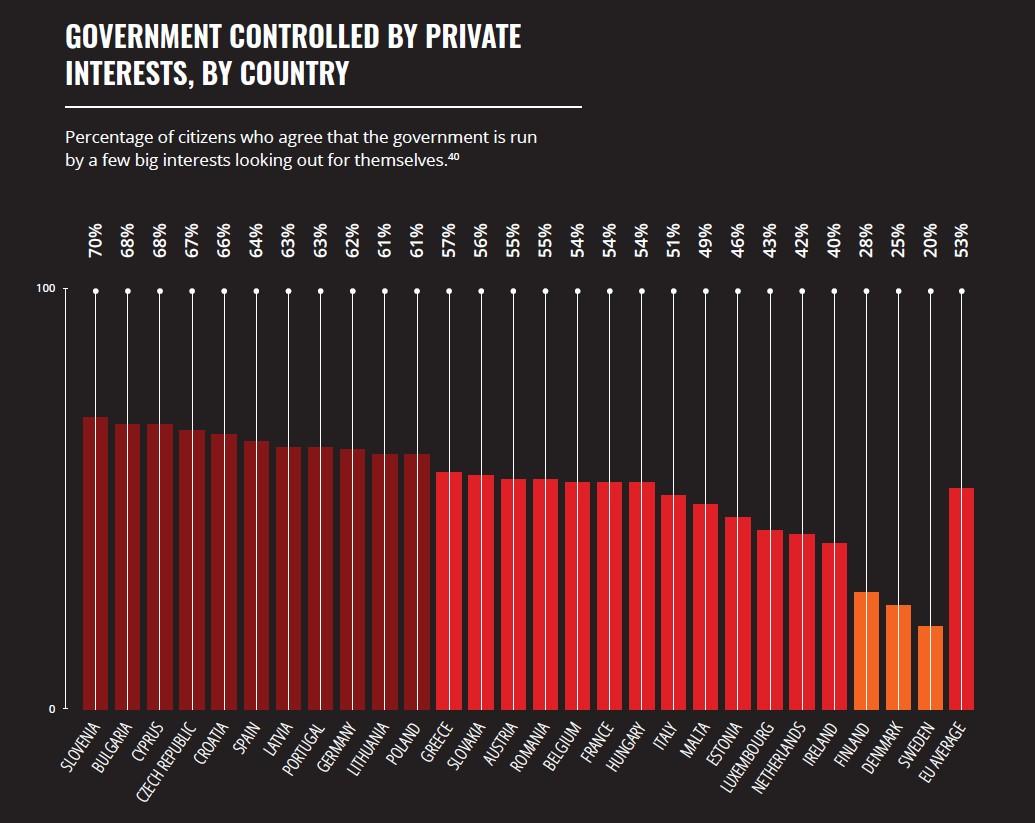
The latest corruption probe in Cyprus has deepened public skepticism towards government institutions, underscoring a growing demand for transparency and tighter accountability measures. Citizens and watchdog groups alike have expressed frustration over repeated scandals that appear to undermine efforts to restore confidence in governance. According to recent public opinion surveys, trust in the political class has dipped significantly, reflecting a perception that some officials may still operate with insufficient oversight. This erosion of faith risks not only destabilising electoral confidence but also hampers the government’s ability to effectively implement policy reforms crucial for the country’s economic and social development.
In response, government officials have faced mounting pressure to enhance transparency protocols, with opposition parties and civil society advocates calling for clearer mechanisms to monitor public sector conduct. As one prominent anti-corruption campaigner noted, “Without robust transparency measures and meaningful consequences, such investigations risk becoming cyclical, yielding headlines but little systemic change.” The Justice Ministry has indicated that it is reviewing existing frameworks, acknowledging that restoring public trust requires more than reactive probes – it demands proactive institutional reforms. This evolving dynamic reflects a critical juncture for Cyprus, where the political leadership’s commitment to accountability will be scrutinised closely by both citizens and international observers.
Voices from the Community: Personal Stories and Concerns
For many Cypriots, the recent corruption probe has reignited deep-seated frustrations over transparency and governance. Maria Georgiou, a small business owner in Limassol, expressed a sentiment shared by many: “We work hard every day, yet we often feel like the system is stacked against honest citizens. This investigation gives me a glimmer of hope that justice can finally be served.” Her concern reflects a widespread call for tightening oversight on public officials and ensuring that state resources serve the collective good, not private interests.
Meanwhile, younger generations appear increasingly vocal about their desire for reform, using social media and civic forums to demand accountability. Kyriakos, a university student studying political science, commented, “It’s critical for the future of our democracy that we address corruption head-on. Transparency isn’t just a buzzword-it’s the backbone of trust between government and people.” His peers’ activism underscores a growing impatience with old practices and an eagerness to see institutional changes that reflect Cyprus’s European commitments. For many, this probe is a crucial test of whether Cyprus can move beyond past scandals toward a cleaner, more transparent political landscape.

Reform Measures and the Road Ahead for Transparency in Cyprus
In response to the recent high-profile corruption investigation, Cypriot authorities have stepped up efforts aimed at bolstering transparency and restoring public trust. Key reforms under consideration include the strengthening of anti-corruption bodies, enhancing the legislative framework, and increasing oversight of public procurement processes. Government officials have emphasized that these measures are crucial not only for prosecuting corruption cases but also for creating a culture of accountability within both the public and private sectors.
Transparency advocates have welcomed the initiative but caution that lasting change will require sustained political will and citizen engagement. “The real test lies in implementing reforms effectively and ensuring they are insulated from political interference,” noted a governance expert familiar with Cyprus’s ongoing challenges. As the authorities continue to refine these reforms, the coming months will be critical for demonstrating a clear commitment to transparency, securing international confidence, and fostering a more resilient democratic system in Cyprus.
What It Means for Cyprus
Transparency Push Intensifies Amid New Corruption Probe in Cyprus
A fresh wave of scrutiny has enveloped Cyprus following the launch of a new corruption investigation involving several high-profile figures linked to public contracts and government procurement. The probe, initiated just days ago by anti-corruption authorities, focuses on alleged irregularities in the awarding of multimillion-euro tenders within key sectors such as infrastructure and energy. Initial findings suggest potential conflicts of interest and non-compliance with transparency protocols, shaking public confidence in the integrity of state institutions.
The timing of the investigation is significant, coming in the wake of ongoing government efforts to strengthen governance frameworks and demonstrate commitment to anti-corruption reforms demanded by both local watchdogs and international partners. Cyprus, as a rising business and financial hub in the Mediterranean, has faced growing pressure to uphold transparency, accountability, and rule of law after past scandals dented its reputation.
In response, governmental spokespeople have pledged full cooperation with investigators and reiterated plans to enhance regulatory oversight, including tightening public procurement rules and expanding the remit of independent auditing bodies. Lawmakers from across the political spectrum have also called for swift action and reinforced mechanisms to ensure openness in public affairs.
Civil society groups and analysts view the unfolding probe as a critical juncture for Cyprus. It tests not only the willingness of authorities to tackle entrenched corruption but also the effectiveness of recent legislative changes aimed at fostering a cleaner, fairer governance environment. Transparency advocates argue that robust enforcement is key to deterring future misconduct and restoring trust among citizens and investors alike.
For residents of Cyprus, the implications of this investigation go beyond headline-making arrests or political fallout. It signals a potential shift toward a more transparent public sector that could improve service delivery and equitable economic development. For investors, it is a reassurance that efforts are underway to strengthen the island’s business climate by curbing corruption-related risks that have previously undermined confidence. International observers will be closely watching how lessons from this probe influence broader structural reforms and Cyprus’s standing within European and global frameworks.
Ultimately, the current corruption inquiry marks both a challenge and an opportunity for Cyprus. Its resolution could usher in a new era of accountability, reinforcing the island’s aspirations as a modern, transparent democracy poised for sustainable growth in a competitive regional landscape.