The Republic of Cyprus has officially unveiled a pivotal new energy strategy, marking a decisive step towards enhancing the island’s energy independence and sustainability. This comprehensive plan, announced by government officials today, outlines ambitious targets to diversify energy sources, increase renewable energy production, and strengthen energy security amid evolving regional dynamics. The strategy aims to reduce the country’s carbon footprint while boosting economic growth, signaling a clear governmental commitment to align Cyprus with broader European Union energy and climate goals. With this landmark policy, Cyprus positions itself at the forefront of the Eastern Mediterranean’s green transition, addressing both immediate challenges and long-term national interests.
– Unveiling the Roadmap: Milestones in Cyprus’s New Energy Vision
In a significant stride toward sustainable development, the Republic of Cyprus has outlined a clear and ambitious roadmap in its newly announced energy strategy, setting concrete milestones to drive the island’s transition to clean energy. Central to the plan is a target to increase the share of renewables in the electricity mix to 40% by 2030, a substantial leap from the current levels. This objective reflects Cyprus’s commitment to align with European Union climate goals, reduce dependence on imported fossil fuels, and foster energy security.
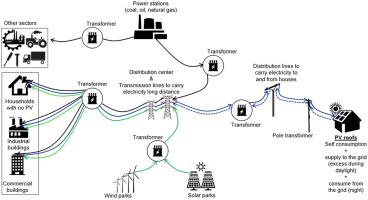
The strategy also emphasizes advancements in energy infrastructure, including the expansion of solar photovoltaic capacity and the integration of energy storage solutions to manage intermittent renewable generation. Officials highlighted key projects set to commence in the coming months, such as the installation of large-scale solar farms and pilot schemes for green hydrogen production, positioning Cyprus as a regional leader in innovative energy technologies. As Energy Minister Natasa Pilides remarked, “Our roadmap is not just about meeting targets; it’s about a resilient and prosperous Cyprus, powered by clean energy and innovation.” This new framework is expected to stimulate job creation across emerging green sectors, underpinning the island’s economic recovery post-pandemic.
– Collaborative Efforts: Roles of Government, Industry, and Community
The Republic of Cyprus has underscored the importance of a unified approach in advancing its ambitious energy transition goals. In a recent statement, government officials stressed that the successful implementation of the new energy strategy hinges on active collaboration between public authorities, private sector stakeholders, and local communities. “This is not merely a governmental initiative but a national mission,” noted the Minister of Energy, emphasizing that bridging public and private efforts will accelerate investments in renewable technologies and energy efficiency projects.
Industry leaders have welcomed the call for collaboration, identifying opportunities to innovate within Cyprus’ growing renewable energy market. Key players in the solar and wind sectors have voiced support for streamlined regulatory frameworks and incentives designed to encourage broader participation. Meanwhile, community groups are increasingly engaged, with numerous grassroots initiatives emerging to promote energy conservation and local ownership of renewable projects. Together, these collaborative efforts are shaping a resilient and inclusive energy future, fostering economic growth while addressing environmental imperatives.
– Economic and Environmental Impacts: Balancing Growth with Sustainability
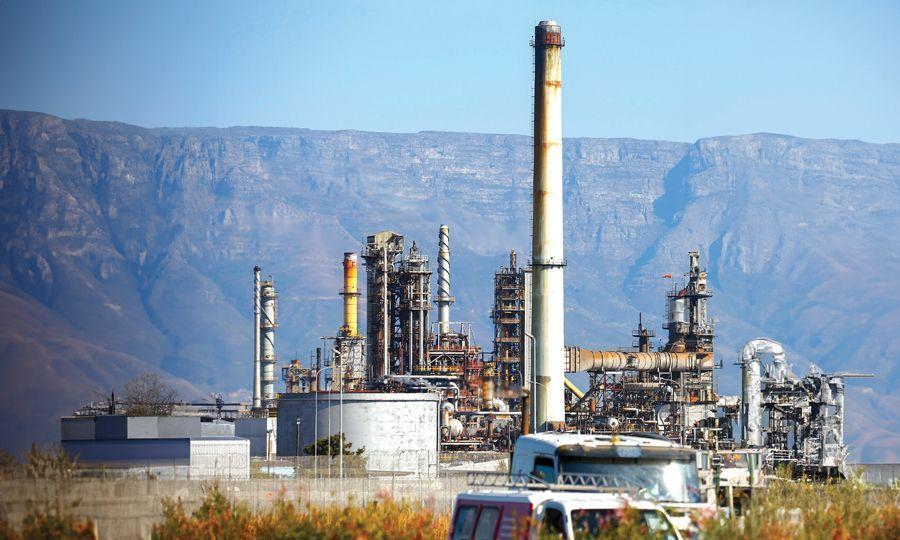
The Republic of Cyprus’s newly announced energy strategy aims to steer the nation towards a low-carbon future while carefully balancing economic growth with environmental preservation. Officials emphasized that the plan is designed to boost local industries, create green jobs, and attract sustainable investment, contributing to the broader goals of decarbonisation without compromising economic stability. The government projects that increased reliance on renewable energy sources such as solar and wind will not only reduce the island’s carbon footprint but also cut energy costs in the long term, benefiting households and businesses alike.
However, the strategy acknowledges the inherent challenges involved in transitioning a small island economy heavily dependent on fossil fuels. Environmental groups and industry leaders alike have praised the government’s commitment to sustainability but have called for stringent monitoring to prevent any adverse ecological consequences during the implementation phase. “Our focus is on ensuring that economic gains do not come at the expense of Cyprus’s unique natural heritage,” an official from the Ministry of Energy stated. This reflects Cyprus’s broader commitment to EU directives that emphasize an integrated approach to energy production – one that fosters innovation and growth while protecting the island’s diverse ecosystems.
– Voices from the Ground: How Cypriots Are Embracing the Energy Shift
Amid the government’s latest announcement on the comprehensive energy strategy, residents across the Republic of Cyprus are expressing cautious optimism about the island’s greener future. In Limassol, small business owner Eleni Georgiou shared her perspective, emphasizing the tangible benefits of transitioning to renewable sources. “We have long felt the impact of rising electricity costs, especially during the summer months. The new focus on solar energy could not only ease these expenses but also promote local jobs,” she remarked. This sentiment is echoed by families who see the strategy as a step toward a more sustainable and affordable energy landscape, directly improving their daily lives.
Meanwhile, environmental groups and community activists have lauded the government’s commitment while calling for continued engagement with citizens to ensure the plan’s success. “Energy independence is a critical milestone for Cyprus,” said Andreas Pallis, a spokesperson for a prominent environmental NGO. “What makes this initiative promising is the clear emphasis on transparency and public participation. Cypriots have long advocated for cleaner, locally sourced power, and this strategy shows that their voices are finally being heard.” Across cafes, markets, and workplaces, the energy shift is sparking conversation and hope, as Cypriots prepare to embrace an era defined by innovation, sustainability, and resilience.
– Future Outlook: Cyprus’s Commitment to Renewable Innovation and Energy Security
- Future Outlook: Cyprus’s Commitment to Renewable Innovation and Energy Security
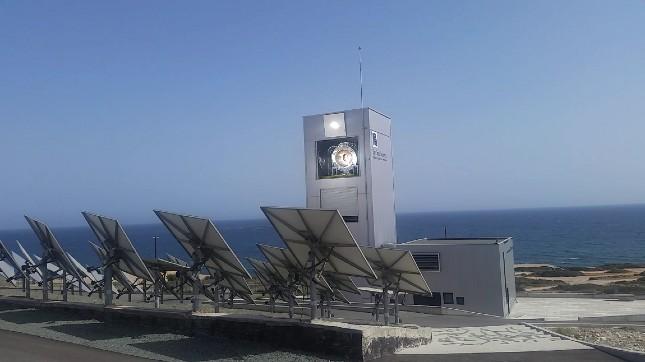
In its latest energy strategy announcement, the Republic of Cyprus reaffirmed a strong commitment to pioneering renewable energy technologies as a cornerstone for national energy security and economic resilience. Officials emphasized that the integration of solar power, supported by the island’s abundant sunlight, alongside emerging investments in wind and energy storage systems, will significantly reduce dependence on imported fossil fuels. The government’s plan includes expanded incentives for green technology startups and partnerships with European renewable research centres, underscoring a forward-looking vision grounded in sustainability and innovation.
Energy Minister noted that “securing a stable and independent energy future is paramount for Cyprus, particularly given regional uncertainties and global market fluctuations.” The strategy details ongoing efforts to modernize grid infrastructure, enhance energy efficiency, and accelerate the deployment of smart grids, ultimately aiming to meet the European Union’s ambitious carbon neutrality targets by 2050. This future-oriented approach not only positions Cyprus as a leader in renewable adoption within the Mediterranean basin but also as a reliable partner in broader EU energy security frameworks, fostering economic growth while safeguarding the environment.
What It Means for Cyprus
Cyprus Government Issues Key Statement on New Energy Strategy
Nicosia, June 27 – The Republic of Cyprus has unveiled a comprehensive new energy strategy aimed at significantly transforming its energy landscape over the coming decade. The announcement, made during a press conference held by the Ministry of Energy, Commerce and Industry, outlines a bold commitment to accelerate renewable energy adoption, enhance energy efficiency, and reduce the country’s reliance on imported fossil fuels.
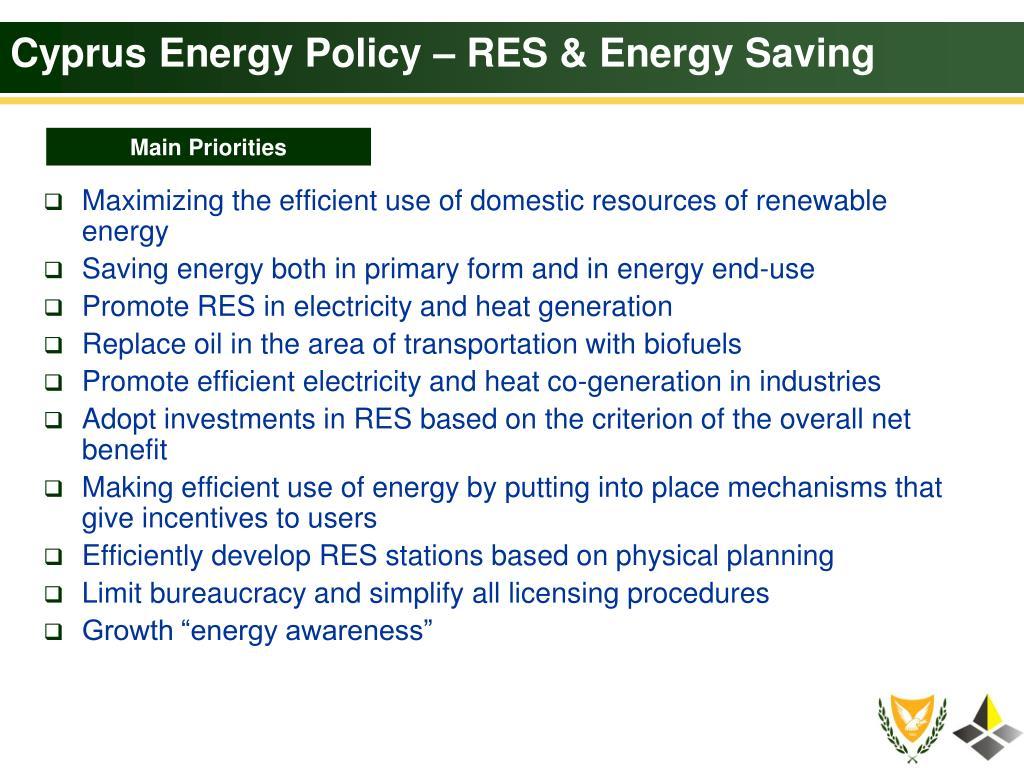
At the core of the strategy is an ambitious target to increase the share of renewables in Cyprus’s energy mix to 30% by 2030. This involves substantial investments in solar and wind power infrastructures, reflecting Cyprus’s clear skies and favorable wind corridors. The government also plans to support the introduction of energy storage technologies to address intermittency issues, promoting grid stability and energy security.
A key pillar highlighted in the statement is Cyprus’s intent to promote electrical mobility and develop green hydrogen capabilities. Efforts to expand electric vehicle (EV) infrastructure and incentives are expected to spur the adoption of cleaner transportation alternatives. Additionally, the exploration of green hydrogen as a future export commodity and local energy source signals the government’s forward-looking approach.
The strategy also emphasizes strengthening regional cooperation, particularly with European Union partners. Aligning with EU directives, Cyprus aims to secure access to funding mechanisms and collaborate on cross-border energy projects, reinforcing its position within the Mediterranean energy framework.
Furthermore, the government reaffirmed its dedication to improving energy efficiency in buildings and industries, a move designed to lower overall demand and environmental impact. Public awareness campaigns and support schemes for households and businesses are slated to complement regulatory measures.
For residents of Cyprus, this new energy strategy promises cleaner air, more sustainable living conditions, and the potential for cost savings through energy-efficient technologies and reduced dependency on fossil fuels. Investors will find a range of emerging opportunities in renewable energies, infrastructure projects, and technology innovation. International observers can view Cyprus’s actions as a strategic alignment with global energy transition trends, potentially positioning the island as a model for sustainable development in the Eastern Mediterranean region.