
The dinner party is changing, reflecting a shift in social dynamics and culinary culture. By 2026, it’s less about impressing guests with extravagant table settings and more about creating shared experiences that foster connection.
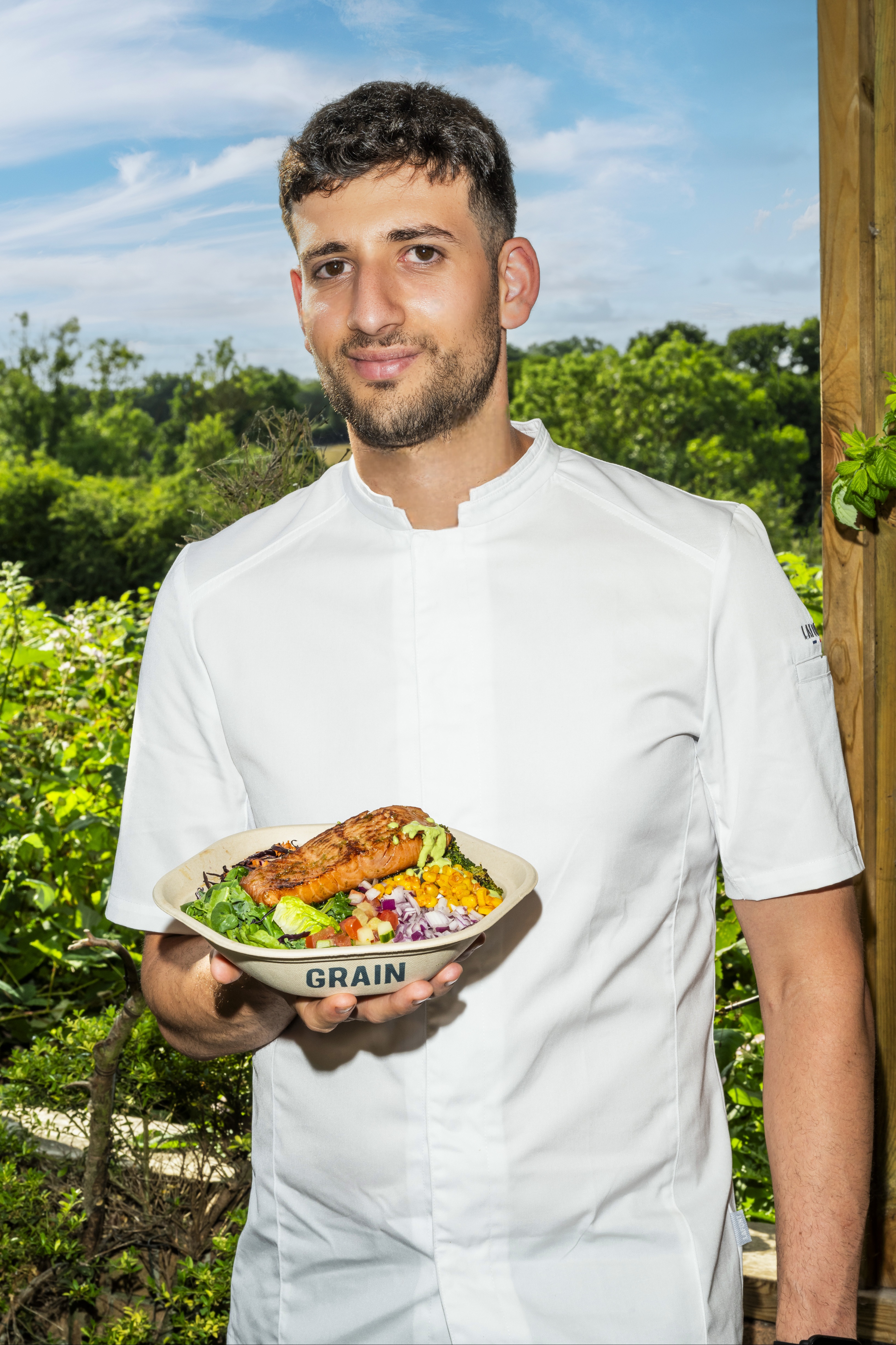
Photo: cyprus-mail.com
Across Europe, the trend is evident: as restaurant prices rise and crowded venues become less appealing, people are gravitating back to their dining rooms. The modern host prioritises involvement over mere presentation, focusing on activities that engage guests. It’s not just about the food anymore; it’s about the atmosphere and the interactions that unfold.

Photo: cyprus-mail.com
As noted by Dimitris Kamaritis, co-founder and culinary director of Biotrofi in Cyprus, this transformation has become particularly pronounced in the wake of Covid-19. “People don’t dine out as frequently as they used to and are choosing to host more intimate gatherings at home,” he explains. “These occasions are less formal but more curated, with smaller groups and a stronger focus on quality rather than quantity.”
Kamaritis emphasises that today’s hosts want their guests to be part of the experience. “Creating a beautiful, engaging experience is just as important as serving great food,” he adds. In Cyprus, where shared meals have always been integral to social life, the emphasis on connection and interaction is a natural extension of the local food culture.
Dinner party: Engaging Themes Reshape Gatherings
The resurgence of themed dinner parties encapsulates this new spirit. One popular format is the murder mystery dinner, which creatively addresses the common social anxiety of conversation faltering. Guests are given characters and clues, making the evening interactive and dynamic. The food served at these events typically consists of items that can be prepared in advance, allowing hosts to enjoy the evening alongside their guests.
In Cyprus, this theme resonates particularly well. Imagine a mystery set against a backdrop of a family celebration or a seaside hotel, instantly relatable and engaging. The emphasis remains on creating a lively atmosphere rather than offering a formal dining experience.
Vinyl Nights Bring Music to the Table
Another rising trend is the vinyl listening party. This format encourages guests to bring their own records and share the stories behind their choices. In an era dominated by smartphones and digital distractions, this intentional music culture fosters deeper conversations and connections. As guests gather around, the focus shifts from the food to the sound, creating a unique communal experience.
Food served during these gatherings is typically simple, consisting of small sharing plates that allow guests to eat at their leisure, maintaining the flow of conversation without interruptions. This format not only delights the palate but also enriches the social experience.
The Fondue Renaissance
Market research indicates a growing interest in interactive dining experiences, with fondue making a notable comeback. Once considered retro, fondue now aligns perfectly with the desire for communal eating. A pot placed at the centre of the table encourages everyone to partake together, creating a relaxed and shared dining atmosphere.
With preparation done ahead of time, hosts can join in on the fun, transforming the dinner party from a performance into a collective experience. Fondue nights invite a slower pace, allowing conversations to flow naturally without the pressure of constant entertainment.
More Than Just a Meal
As Kamaritis succinctly puts it, “A memorable in-home dinner is about more than the food. It’s the flow of the evening, the atmosphere, and the interaction that turn a meal into an experience people remember long after the table is cleared.” This evolving dinner party culture reflects a deeper craving for connection, fostering relationships in a relaxed setting.
In Cyprus, the essence of the dinner party has always been about shared plates and lingering conversations. This cultural backdrop makes the recent shifts in dining trends feel less like a novelty and more like a return to the roots of communal eating. Ultimately, it’s not merely about following trends; it’s about the joy of coming together and enjoying each other’s company for a while.