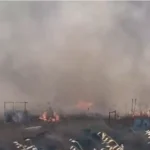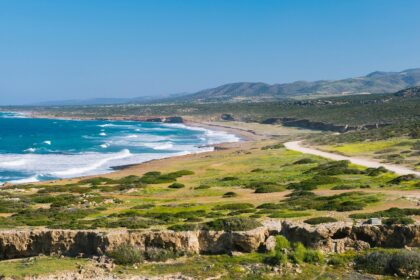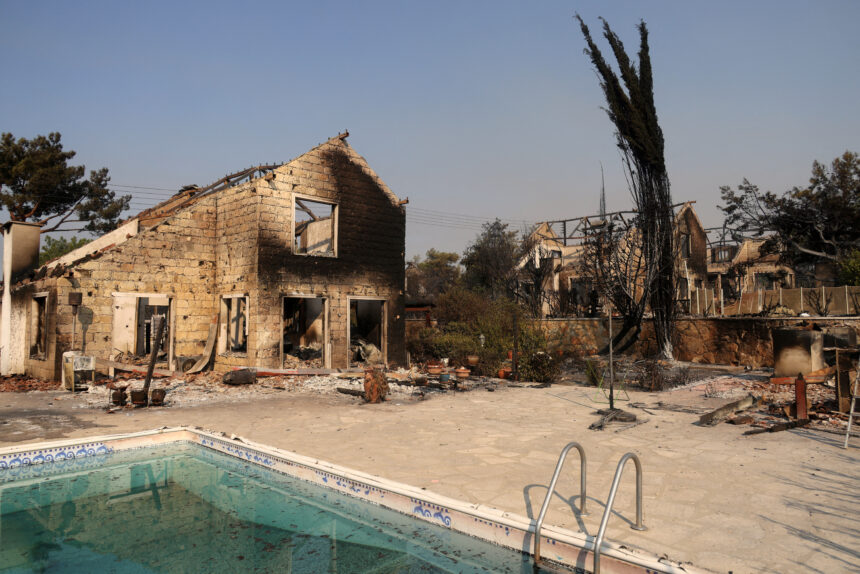
The focus keyword here is fire, as it serves as a poignant reminder of the devastation that has unfolded in Kornos, Cyprus. Once a lush landscape, the area has been profoundly altered since a catastrophic fire swept through over a decade ago, effectively erasing the rich forest cover that once thrived.

Photo: cyprus-mail.com
- As I reflect on the landscape that has changed so dramatically, it is both ironic and tragic that the sounds of fire, before they materialise into flames, echo the soothing rhythm of rain.
Residents still remember the saying that wherever it rained in Cyprus, it would also rain in Kornos. That connection to nature now feels like a distant memory. In the years following the fire, trees have succumbed to the harsh conditions, and the landscape has transformed into a dry and desolate environment. Pine trees, now dying, have become sources of ignition for subsequent fires, leading to an alarming increase in spontaneous blazes.
Wildlife has also suffered. The cheerful morning chorus of birds has dwindled, and sightings of hedgehogs have become exceedingly rare. Even the spiders have abandoned their webs in search of more hospitable surroundings. As a resident, I try to nurture what remains of our local wildlife by providing food and water for foxes and birds, yet the numbers continue to decline.
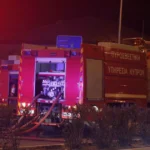
The aftermath of the Kornos fire is mirrored by the recent devastation in Limassol, where a blaze in July claimed lives and destroyed hundreds of homes. This fire, which started on July 23, raged for three days, leaving a grim trail of destruction across 124 square kilometres. In its wake, 706 buildings were either completely or partially lost, including 532 homes and numerous businesses.
Despite reassurances from officials about firefighting capabilities, the reality has often been starkly different. Government spokesman Konstantinos Letymbiotis had previously declared that Cyprus was ready to tackle any fire with modern resources and a clear strategy. Yet, when disaster struck, a Public Warning System, required by EU regulations and promised since its incorporation into national law three years ago, remained dormant. In the chaos, church bells became the only warning, leading to tragic consequences for two elderly individuals who lost their lives while trying to escape.
The fallout from the Limassol fire has been met with a barrage of promises from the government regarding compensation for those affected. Yet, the reality is that many of these pledges seem to be little more than empty words, echoing the frustrations of residents who have witnessed similar assurances before.
As the new year approaches, concerns about the lack of rainfall grow ever more pressing. Scientists have been sounding the alarm about desertification in Cyprus, a slow and insidious process that is already taking its toll on the land. While other nations innovate to combat their own environmental challenges, Cyprus appears stagnant, continuing to rely on outdated strategies instead of embracing modern solutions.
Water scarcity has become a critical issue, with reservoirs nearly empty and household water rationed. Farmers face dire consequences as inadequate irrigation systems lead to dwindling crop yields, ultimately pushing prices for produce higher. Despite being surrounded by water, the progress of desalination efforts has been painfully slow and fraught with complications.
In the face of these challenges, one of the most urgent actions that could be undertaken is reforestation. Though initiatives are in place, they often depend on private efforts and lack the necessary scale to counterbalance the rapid loss of trees. A cohesive national strategy must be implemented; otherwise, the promises of restoration will remain unfulfilled.
As I reflect on the landscape that has changed so dramatically, it is both ironic and tragic that the sounds of fire, before they materialise into flames, echo the soothing rhythm of rain.