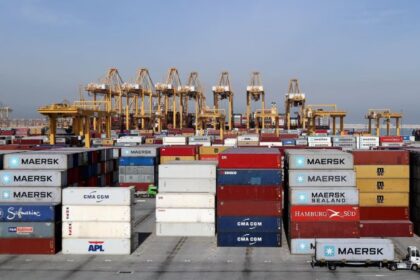
Seafarer shore leave is increasingly becoming rare and, in some cases, non-existent, according to a comprehensive survey conducted by the World Maritime University. The survey gathered insights from 5,879 crew members across 121 countries, revealing alarming trends in the welfare of maritime workers.
Seafarer shore: Shocking Statistics Highlight Shore Leave Shortages
The findings illustrate that 26.7 per cent of respondents reported having no shore leave at all during their contracts. Additionally, 68.7 per cent indicated they either never or rarely went ashore. For those fortunate enough to disembark, the average frequency was a mere 3.5 times per month, with only 2.2 per cent managing to go ashore more than 15 times throughout their time at sea.
Limited Time on Land
Even among those who did manage to go ashore, the experience was typically fleeting. An overwhelming 93.5 per cent spent less than six hours on land, with almost half staying for under three hours. The main obstacles preventing shore leave were identified as lack of time in port (65.4 per cent) and heavy workloads (53.3 per cent). High transport costs and the remoteness of port facilities also played significant roles, affecting 48.6 per cent and 44.9 per cent of respondents, respectively.
Port Restrictions and Company Policies
Port authorities and company regulations further restrict seafarers’ access to shore leave. Some crew members reported that ports had developed ways to deny shore leave through exorbitant charges or demands for bribes. One officer recounted being quoted $400 for transport to the port gate, while others mentioned requests for cigarettes, alcohol, or cash in exchange for shore passes. Even when permission was granted, port security sometimes blocked exits unless specific transport fees were paid.
Personal Accounts Reflecting the Crisis
Personal testimonies from seafarers underline the pressing issue. A Turkish officer serving on a tanker for four months stated, “I haven’t taken shore leave during my contract.” Another officer from India, who has spent a decade at sea, noted, “I have never gone ashore in the last 10 years.” A Philippine officer remarked on the lack of shore leave opportunities post-pandemic, while a US rating described being onboard without shore leave for over 60 days.
Differences Across Vessel Types
Access to shore leave varies significantly by vessel type. Offshore vessels recorded the highest proportion of crew members with no shore leave at 40.8 per cent, followed closely by tankers at 37.3 per cent and bulk carriers at 30.7 per cent. In stark contrast, passenger ferries and cruise ships had much lower rates of 5.4 per cent and 3.2 per cent, respectively.
Rank and Regional Variations in Shore Leave
Differences are also evident based on rank and department. Approximately 30 per cent of officers reported not having any shore leave, compared to 20.3 per cent of ratings. Deck officers faced the most restrictions, while galley staff were the most likely to disembark. Regionally, Asia exhibited the highest rates of no shore leave at 31.8 per cent, followed by Europe at 22.5 per cent and the USA at 20.9 per cent.
Welfare Implications of Shore Leave Shortages
The implications for seafarer welfare are significant. Over half of the respondents reported working more than 74.9 hours a week, with only 7.4 per cent working 48 hours or less. Those without shore leave were notably more likely to experience fatigue, stress, loneliness, and deteriorating mental health. One Indian officer emphasised the need for shore leave, stating, “Shore leave should be made compulsory for seafarers irrespective of rank and responsibilities.”
Call for Coordinated Action
The survey’s findings signal urgent action is needed to address the growing crisis in seafarer welfare. The report calls for collaboration among governments, port authorities, shipowners, managers, agents, and welfare providers to eliminate barriers such as high transport costs, remote ports, and restrictive policies. Improved access to amenities and streamlined shore pass procedures could significantly enhance crew welfare.
Future Outlook on Seafarer Welfare
As Cyprus, along with Malta, remains a leading international registry, the findings of this survey reflect a broader global issue. Without immediate and meaningful steps to ensure shore leave for seafarers, the decline in opportunities for disembarkation will continue, potentially leading to a loss of experienced personnel from the profession.