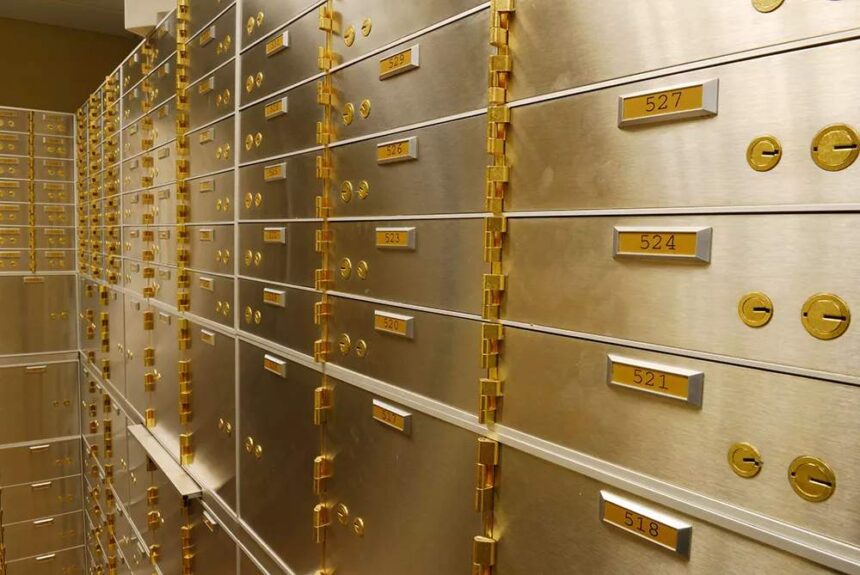
crypto fraud — The Supreme Court has ruled that police can force open bank safe deposit boxes belonging to an Israeli couple as part of a $700 million cryptocurrency fraud investigation.
- crypto fraud — The Supreme Court has ruled that police can force open bank safe deposit boxes belonging to an Israeli couple as part of a 0 million cryptocurrency fraud investigation.
The couple sought to block the search by filing a writ of certiorari in an effort to annul search warrants issued on 22 October 2025 by a Limassol court. Their argument centred on the assertion that there was no connection between their boxes and the alleged criminal activities.
However, the court found that the couple had refused to hand over their keys, necessitating a forced entry. This investigation is part of a broader probe initiated by French authorities, linked to a European Investigation Order regarding fake cryptocurrency investment and trading platforms that have reportedly defrauded victims across France and the wider European Union since 2020.
Crypto fraud: Unraveling a Complex Fraud Scheme
According to the ruling, investigators uncovered a significant organised criminal group responsible for the fraudulent operations. The court heard that shell companies registered in various jurisdictions, including Cyprus, Singapore, the British Virgin Islands, and Hong Kong, were used to launder funds obtained through deception.
Once the stolen cryptocurrency entered these companies, it was disguised as legitimate income through salaries, property transactions, or transferred to other corporate structures, making it challenging to trace. The total cryptocurrency flows traced back to this operation amounted to approximately US$700 million.
The Evidence Presented
Warrants issued in this case specifically targeted smart phones, tablets, and high-tech internet equipment believed to be located within the couple’s safe deposit boxes. Judge Elena Efraim, who presided over the case, noted that the evidence presented indicated an international, multi-layered fraud operation that exploited fake cryptocurrency platforms.
The court found that the male applicant had received around US$20,000 in cryptocurrency linked directly to the fraudulent sites in 2021, alongside an additional US$3 million that had been channelled through his account. Furthermore, the couple maintained a trust aimed at property accumulation, raising further suspicions about their involvement in the scheme.
In its ruling, the court stated, “This evidence reasonably gives rise to a suspicion that the applicant participated in the overall scheme, since cryptocurrencies derived from the fraudulent investment websites ended up in his account and a fairly large sum of money was moved through that account.” The court concluded that the evidence was sufficient to establish reasonable suspicion linking the couple to the ongoing criminal investigation.