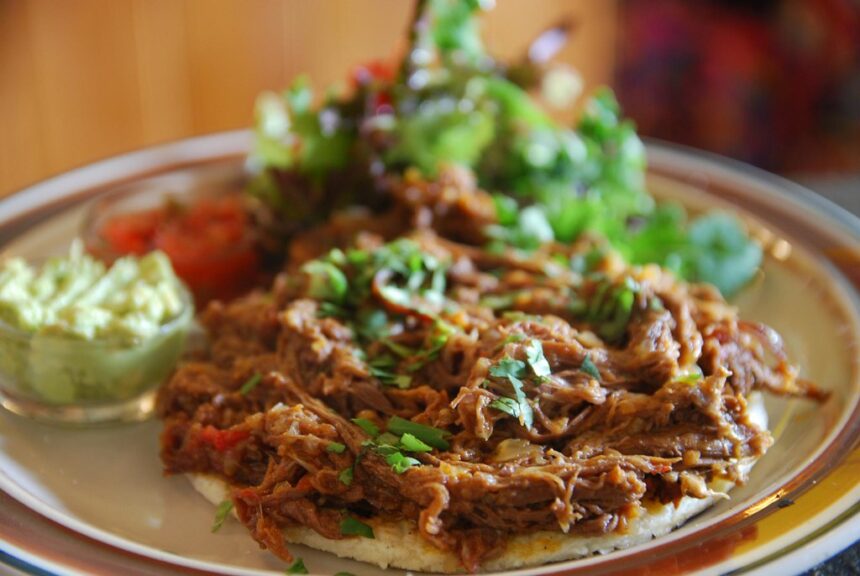
Ropa Vieja is not just a dish; it embodies the rich tapestry of cultural exchange that has shaped Cuban identity over centuries. This iconic meal, a slow-cooked shredded beef stew enveloped in a robust tomato-based sauce, speaks volumes about the historical ties between the Caribbean and the broader Spanish-speaking world.
Historical Roots of Ropa Vieja
The origins of Ropa Vieja can be traced back to the Canary Islands, where Spanish settlers brought their culinary traditions to Cuba during the colonial period. This dish’s name translates to ‘old clothes,’ a moniker that some folklore suggests comes from its resemblance to ragged fabric, while others tell the story of a destitute man who miraculously transformed his tattered garments into a hearty meal.
Evolution into Creole Cuisine
As Ropa Vieja found its place in Cuba, it developed into a cornerstone of Creole cuisine. Infused with Spanish, African, and Caribbean flavours, it transformed from a once-luxurious beef dish into a staple for family gatherings and celebrations. The slow-cooked beef, tenderised over hours, is shredded to absorb a medley of flavours from peppers, onions, garlic, and tomatoes, creating a dish deeply rooted in the island’s culinary culture.
Modern Adaptations and Traditional Methods
While the traditional preparation of Ropa Vieja requires patience and time, modern cooks have embraced pressure cookers and other efficient techniques that maintain the dish’s rich flavours. Regardless of the method, the essence of Ropa Vieja is firmly rooted in its ability to elevate simple ingredients into a comforting and complex meal.
Regional Variations Across Cultures
Beyond Cuba, Ropa Vieja has inspired various interpretations across the Caribbean and Latin America. In the Canary Islands, local versions might incorporate chickpeas and potatoes, showcasing the influence of European agricultural practices. In other Caribbean regions, adaptations may see chicken or pork replacing beef, reflecting local availability and economic factors.
Vegetarian Takes on a Classic
In contemporary culinary landscapes, Ropa Vieja has also seen an emergence of vegetarian alternatives. Chefs have creatively utilised jackfruit or mushrooms to mimic the dish’s shredded texture while maintaining its signature seasoning profile, showcasing how traditional recipes can evolve to meet modern dietary preferences.
A Dish for Sharing and Community
In Cuban culture, Ropa Vieja is often reserved for Sundays, prepared in generous portions to be enjoyed communally with family and neighbours. This aspect of sharing reflects the dish’s role in fostering connections and creating a sense of community among those who partake in it.
Shared Culinary Traditions Beyond Cuba
Interestingly, the concept of Ropa Vieja resonates even in regions where it is not traditionally served, such as Cyprus. While not a staple of Cypriot cuisine, the island’s appreciation for slow-cooked meats and rich tomato-based stews reveals a shared Mediterranean ethos. Both cultures celebrate long-simmered dishes that bring people together, reflecting a universal love for hearty, flavourful food.
Ropa Vieja: A Symbol of Adaptation
From its debated origins to its esteemed position in Cuban culinary identity, Ropa Vieja is more than just a meal; it is a narrative of migration, memory, and adaptation. As it continues to be embraced and reinterpreted in kitchens worldwide, this dish remains a testament to the slow-cooked warmth and shared traditions that bind communities across cultures.