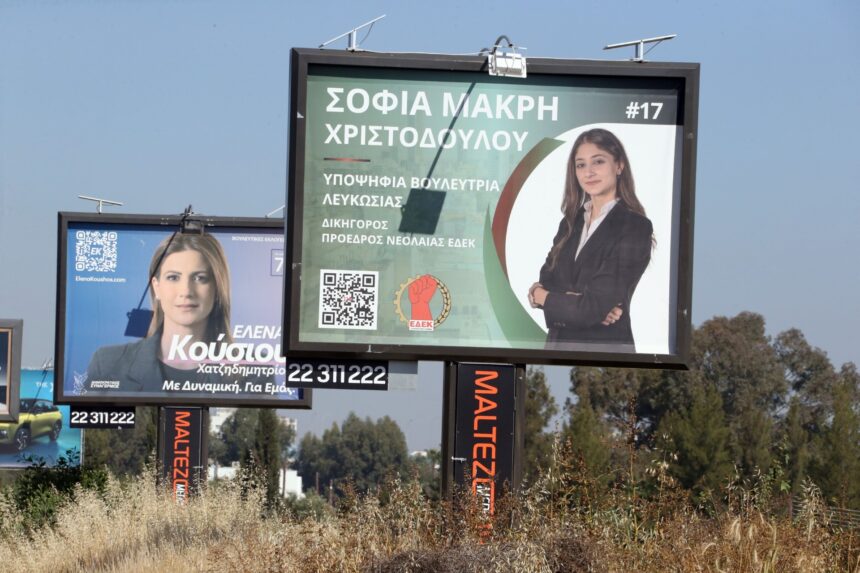
As Cyprus approaches the parliamentary elections on May 24, a record number of women candidates has emerged, with 224 women among 753 total candidates. This marks a significant milestone in the gradual increase of female political participation within the country over the past two decades. At 29.7 per cent of the total candidacies, this figure reflects a positive trend, yet it raises questions about the actual influence and power these candidates may wield.
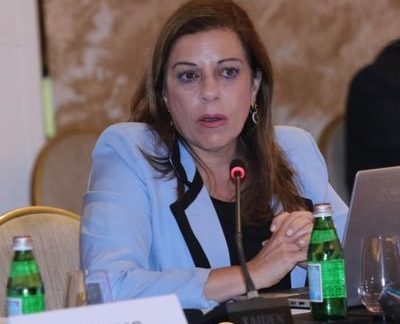
Photo: cyprus-mail.com
Women candidates: Assessing Women’s Representation
While the rise in the number of women on the ballot is noteworthy, it is essential to examine whether this increase translates into genuine political power. According to UN Women, women make up only 27.4 per cent of parliament members globally and hold just 22.4 per cent of cabinet minister positions heading policy areas. This data highlights a persistent gap between female representation and real decision-making authority.

Photo: cyprus-mail.com
Cyprus’s Standing in Global Context
Cyprus’s current situation is concerning as it ranks 150th out of 182 countries in terms of female parliamentary representation, sitting between Ghana and India. Actual representation in the Cypriot parliament stands at 14.3 per cent, with Rwanda leading globally at 63.8 per cent. Despite the increase in female candidacies, Cyprus recorded the lowest share of women in national parliament across the European Union in 2025, significantly below the EU average of 33.6 per cent.
Voices from the Political Arena
To delve deeper into the implications of these statistics, the Cyprus Mail spoke with several women across the political spectrum. Their experiences reveal not only the challenges faced by female candidates but also a system that still favours male dominance in politics.
Christiana Erotokritou on Systemic Barriers
Christiana Erotokritou, a Diko candidate and MP since 2016, emphasises that the issue extends beyond women’s capabilities. “Representation is neither fair nor equal in influence,” she states. “Presence is increasing slowly, but real access to decision-making centres, where substantive politics is exercised, remains unequal.”
Public Sentiment vs. Political Structures
Erotokritou suggests that societal readiness may surpass the political system itself. “Citizens are looking for competence, authenticity, and effectiveness, not gender,” she adds. This perspective indicates that voters may not be the primary obstacle to female representation; rather, it is the political framework that requires transformation.
Challenges Beyond Candidacy
Gender Equality Commissioner Josie Christodoulou remarked that, despite women constituting 50 per cent of the population, their representation in the upcoming elections remains at a mere 29.7 per cent. This disparity highlights the ongoing deficit in equal participation in Cyprus’s political life.
Critique of Voter Behaviour
There is often a narrative suggesting that women do not support female candidates, but Susana Pavlou, director of the Mediterranean Institute of Gender Studies, argues that this view is misguided. “Blaming women for not voting for women is both reductive and misleading,” she asserts. “Women’s underrepresentation in politics is driven by structural barriers, from party gatekeeping to unequal access to resources.”
Rita Theodorou-Superman on Male-Dominated Structures
Rita Theodorou-Superman, a Disy MP elected in 2021, echoes Pavlou’s sentiments, stating, “There are no equal opportunities for access to power.” She highlights that political networks and decision-making centres remain largely unchanged and male-oriented, which hinders women’s progress in the political landscape.
Gender Bias and Political Perceptions
As the elections approach, the scrutiny female candidates face is intensified. Alexandra Attalides, who has been a member of parliament since 2021, notes that women encounter harsher judgement and must navigate higher barriers to be taken seriously. “True representation is not just about numbers. It is about power, agenda-setting, and the ability to shape outcomes,” she explains.
Marilena Trimithioti’s Perspective
First-time candidate Marilena Trimithioti stresses that while the number of women in politics is crucial, it is not a standalone victory. “We need more women in politics, but we also need politics that substantively defends gender equality and human rights more broadly,” she remarks. This view indicates that simply having women on the ballot does not guarantee progressive change.
Implications for the Future
The upcoming May 24 elections will be a critical juncture for Cyprus, not just in terms of the number of women candidates but also regarding their positions within political parties and their potential to influence policy. As Christodoulou noted, equality between men and women is “not a choice, it is a social imperative.” The challenge lies in whether the political system is prepared to embrace this imperative and facilitate meaningful change.
The outcome of these elections will reflect whether the record number of women candidates signifies a genuine shift in political dynamics or merely an illusion of progress. The scrutiny will be on how these candidates are treated, the support they receive, and whether they can effect change within the established political framework.