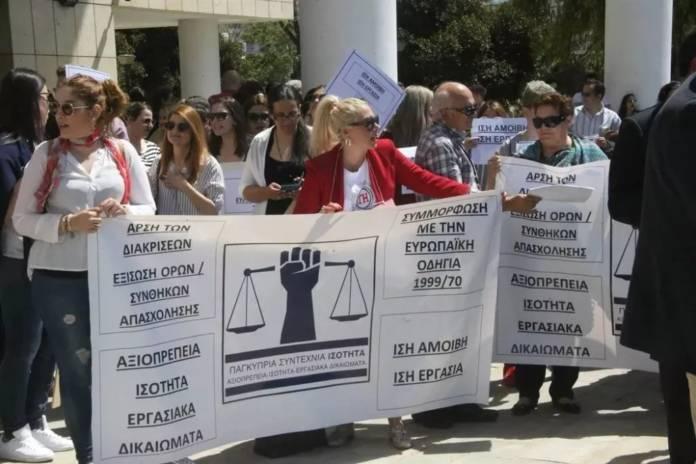
Thousands of public sector workers in Nicosia brought the city to a near standstill yesterday as they launched a strike demanding urgent wage negotiations. The industrial action, affecting key government departments, schools, and public services, highlights growing frustration over stagnant salaries amid rising living costs. Unions representing civil servants have called on the government to engage in meaningful talks to address pay adjustments and improve working conditions, warning that continued inaction could lead to prolonged disruptions. The strike marks one of the most significant labor mobilizations in recent years, underscoring mounting tensions between the public workforce and authorities.
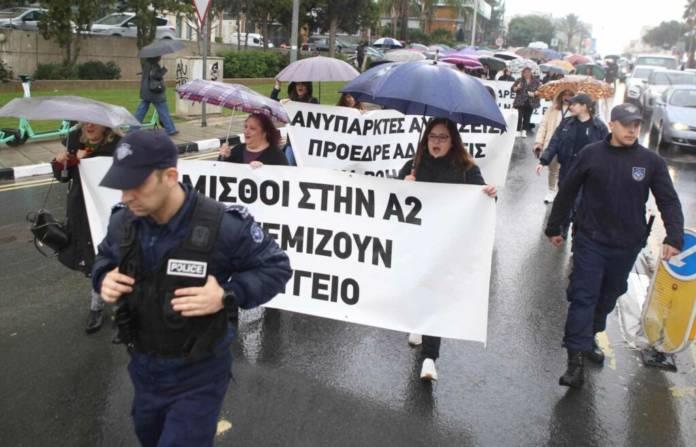
Early Morning Disruption Echoes Throughout Nicosia’s Administrative Hubs
The early morning hours in Nicosia were marked by an unusual stillness as workers across key government offices initiated a coordinated strike, leaving many administrative services at a standstill. Hundreds of public sector employees gathered outside the Ministry of Finance and the General Labour Inspectorate, voicing their frustrations over stalled wage negotiations amid rising living costs. The reverberations were felt in departments ranging from social services to municipal operations, where appointments and routine paperwork were postponed indefinitely.
The strike’s impact was palpable, with citizens encountering closed counters and delayed responses, sparking unease among those reliant on timely government assistance. “We have reached a critical point where the cost of living is simply outpacing our salaries. It is not just about wages; it’s about respect and recognition of the work we do,” said a union representative who declined to be named. As tension simmers, authorities have acknowledged the disruptions and are reported to be preparing for urgent talks to prevent prolonged gridlock that could affect public welfare and key state functions.
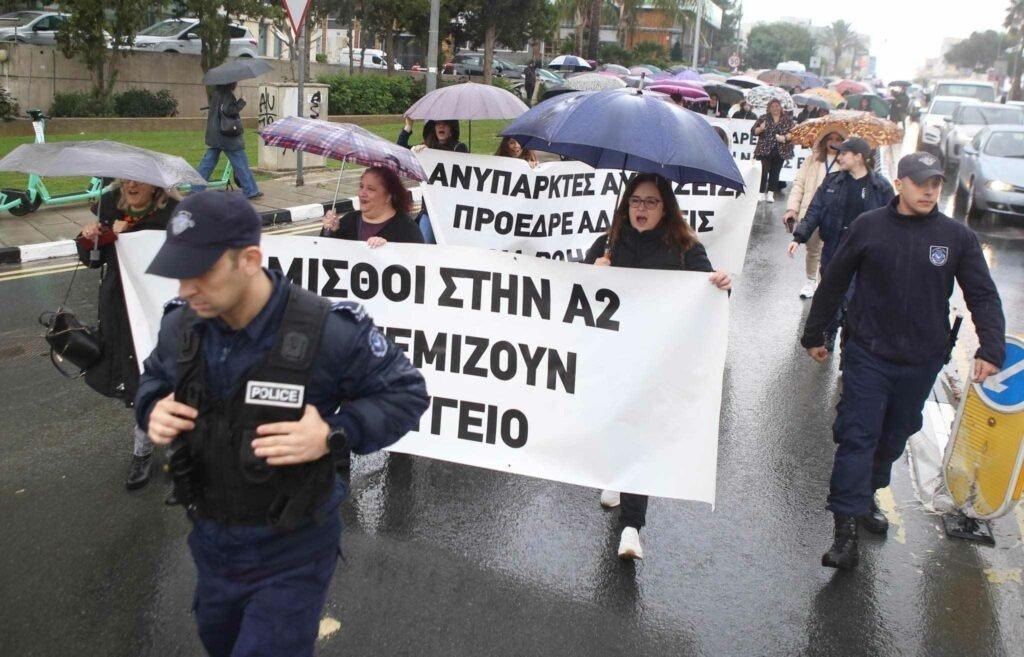
Union Leaders Unite to Amplify Wage Negotiation Calls
In a rare show of solidarity, union leaders across various sectors have come together to heighten their demands for urgent wage negotiations with the government. Representatives from public education, healthcare, and municipal services convened in Nicosia yesterday to issue a joint statement emphasizing that the current economic environment necessitates immediate dialogue. “Our members are facing real financial hardships as inflation continues to erode their purchasing power. We cannot wait any longer for tangible commitments,” stated one prominent union leader who spoke at the coalition’s press briefing.
The unified front seeks to build momentum ahead of planned strikes, insisting that cross-sector cooperation will strengthen their bargaining power. This coalition signals a significant shift in public sector relations, reflecting growing frustration with what workers describe as “stagnant wages in the face of rising living costs.” Trade unions warn that unless the government responds promptly, disruptions to essential services could escalate, affecting thousands of Cypriots nationwide. The government has yet to issue a detailed response, further fueling calls for swift and transparent negotiations.
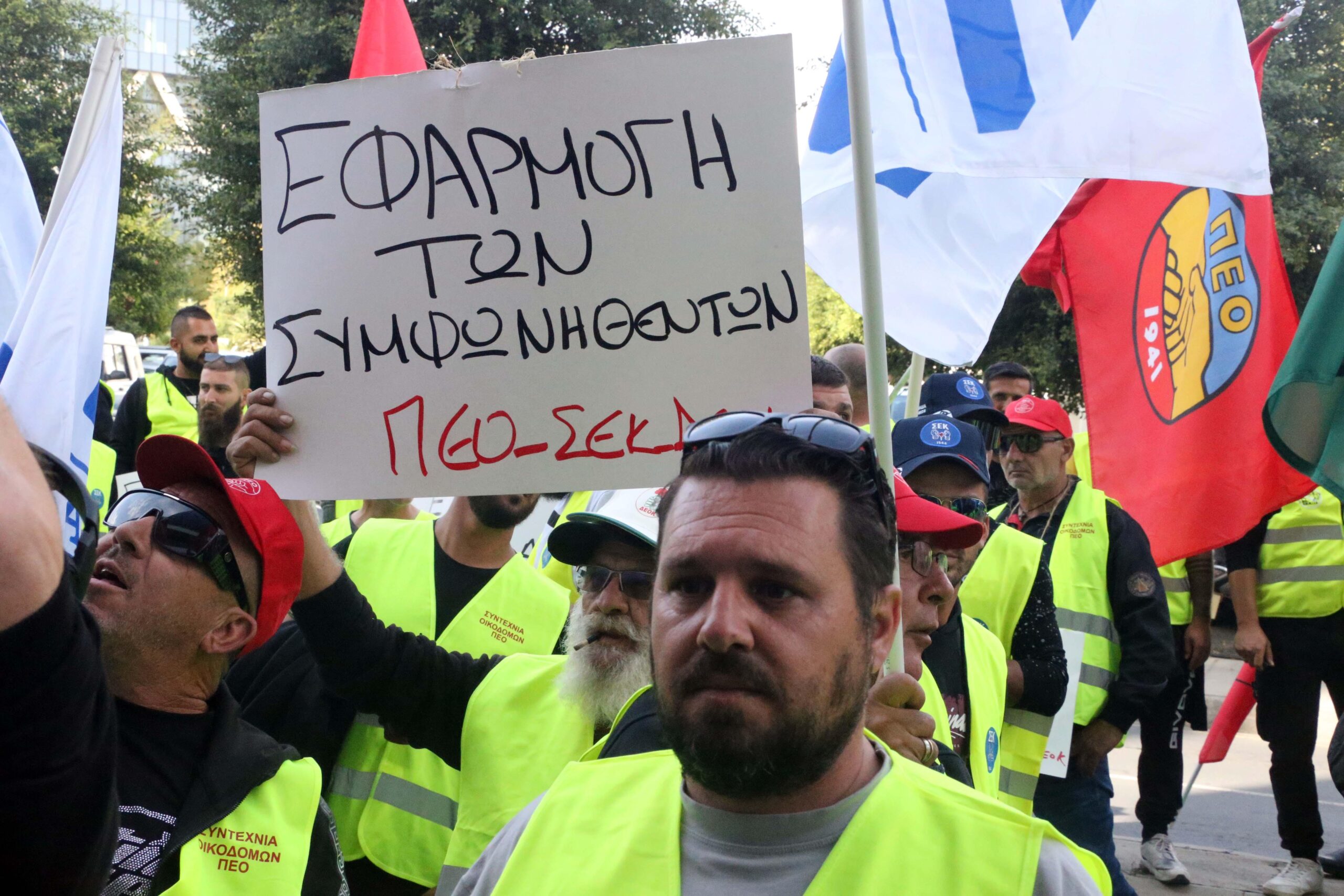
Public Services Pressured as Strike Drags Into Fourth Day
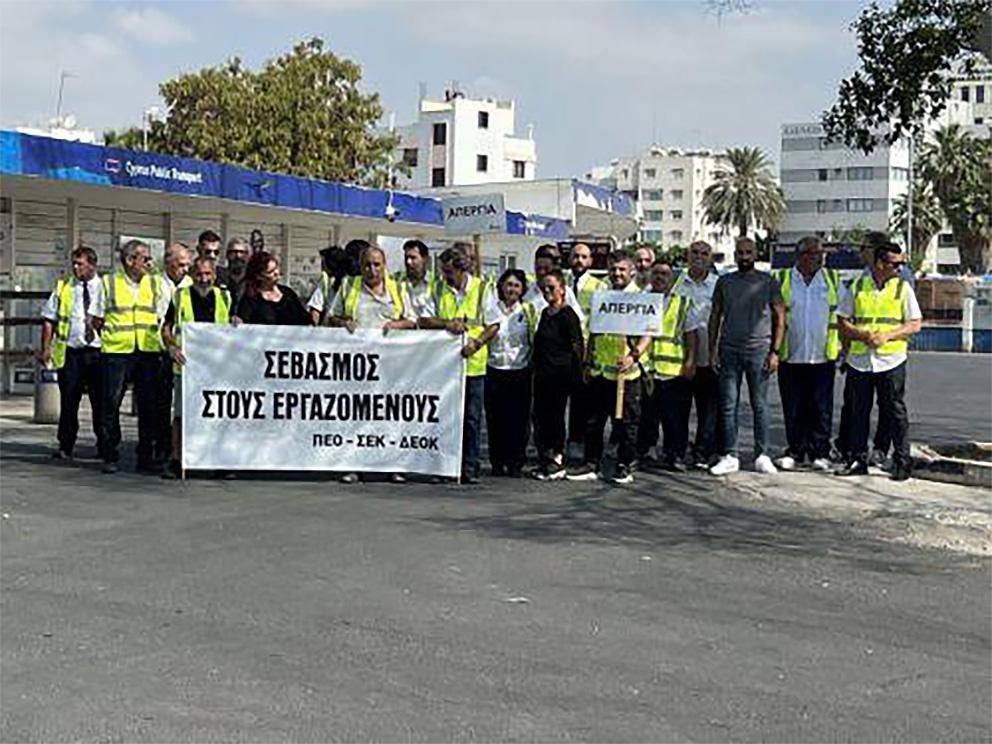
As the public sector strike extended into its fourth consecutive day, Nicosia’s essential services began to feel the mounting pressure from prolonged disruptions. Public hospitals reported significant delays in non-emergency procedures, while municipal services such as waste collection encountered severe backlogs, leading to growing concerns among residents about sanitation and public health. The transport sector was equally affected, with many bus routes reduced or suspended, leaving commuters to seek alternative means amid rising frustration.
Workers, who remain steadfast in their call for renewed wage negotiations, emphasized that the strike’s continuation reflects their determination for fair treatment in the face of stagnant pay and rising living costs. “We have not come to this lightly,” one union representative stated, highlighting that the lack of meaningful dialogue from government authorities has left employees feeling marginalized. Meanwhile, government officials have expressed concern over the escalating impact on citizens but have yet to announce a conciliation date, underscoring the delicate balance between fiscal constraints and worker demands. The uncertainty continues to weigh heavily on daily life in the capital, with many hoping for an imminent resolution.
Voices from the Frontline: Workers Share Personal Impact Stories
As the public sector strike grips Nicosia, workers from diverse departments have stepped forward to share how the ongoing action has deeply affected their lives. Maria Georgiou, a nurse at the Nicosia General Hospital, described the emotional toll of balancing the need to support her colleagues’ fight for fair wages with the strain of patient care disruptions. “We are not striking lightly. For months, we’ve felt our voices go unheard despite rising living costs. It’s hard to see patients suffer delays, but without meaningful talks, how can we move forward?” she reflected, highlighting the desperation and determination driving the protest.
Similarly, Andreas Christodoulou, a veteran civil servant from the Ministry of Interior, spoke about the uncertainty facing many public employees who struggle to meet everyday expenses on stagnant salaries. “This strike is about survival as much as respect. We want the government to acknowledge our worth and open constructive negotiations. The socioeconomic pressures on our families are real and escalating every day,” he emphasized, echoing a widespread sentiment among striking workers that goes beyond mere numbers on a paycheck. Their candid testimonies bring a human dimension to the dispute, underscoring the urgent need for a sustainable resolution.
Government Response and Prospects for a Swift Resolution
The government of the Republic of Cyprus has acknowledged the public sector workers’ grievances while urging for calm and constructive dialogue to avoid further disruption. Speaking on Tuesday, a senior government official emphasized that the state remains committed to addressing wage concerns within the framework of fiscal responsibility and the constraints imposed by ongoing economic recovery efforts. “We understand the workers’ demands, but we must balance these with the country’s fiscal capacity,” the official remarked, underscoring the need for a pragmatic approach.
Prime Minister and Finance Ministry representatives have reportedly opened channels for talks, signaling readiness to engage unions in substantive negotiations in the coming days. Analysts suggest that while the government is intent on preventing the escalation of strike actions, the resolution timeline will hinge on the flexibility demonstrated by both sides. Given the public pressure mounting over cost-of-living increases and inflationary pressures, the government faces heightened expectations to demonstrate responsiveness without compromising broader economic stability. Observers remain cautiously optimistic that ongoing discussions could steer a swift resolution, especially as public services grapple with operational challenges amid the strike.
What It Means for Cyprus
Public Sector Strike Shakes Nicosia: Workers Demand Wage Talks
Nicosia witnessed a significant disruption today as thousands of public sector employees took part in a coordinated strike, halting various government services across the capital. This large-scale industrial action marks the most substantial labor protest in recent years and reflects growing frustration among civil servants over stagnant wages amid rising living costs.
The strike, organized by the Pancyprian Federation of Public Sector Trade Unions (POASY), erupted after prolonged negotiations with government representatives failed to yield progress on salary adjustments. Workers are demanding immediate commencement of wage talks aimed at offsetting the erosion of real income caused by inflation. Key sectors affected include education, municipal services, healthcare administration, and public transport, leaving many residents inconvenienced and sparking lively discussions on social media.
Government officials have expressed willingness to engage but emphasized budgetary constraints and the complex economic pressures Cyprus faces, from energy costs to international financial obligations. The Ministry of Finance stated that while wage revisions are under consideration, any increase must be balanced against fiscal responsibility to safeguard the country’s economic stability.
Economists and policy analysts see today’s strike as a critical juncture for Cyprus, highlighting the challenges of balancing fair compensation for public workers with the need for prudent economic management. The demonstration underscores a broader European trend where public employees seek stronger financial recognition amid post-pandemic recovery and inflationary pressures.
For Cyprus residents, this strike serves as a stark reminder of the tension between public service sustainability and economic realities. Investors and international observers are likely to interpret the unrest as indicative of underlying socio-economic stressors, calling attention to the government’s capacity to navigate labor relations without compromising growth stability. As Cyprus continues to position itself as a key player in regional economic developments, resolving such disputes amicably and swiftly will be essential to maintaining confidence at home and abroad.