The need for climate adaptation has never been more evident in Cyprus, especially following the catastrophic megafire that erupted on 23 July 2025. This disaster wreaked havoc across Limassol’s wine villages, leaving a lasting impact on both the environment and local communities.
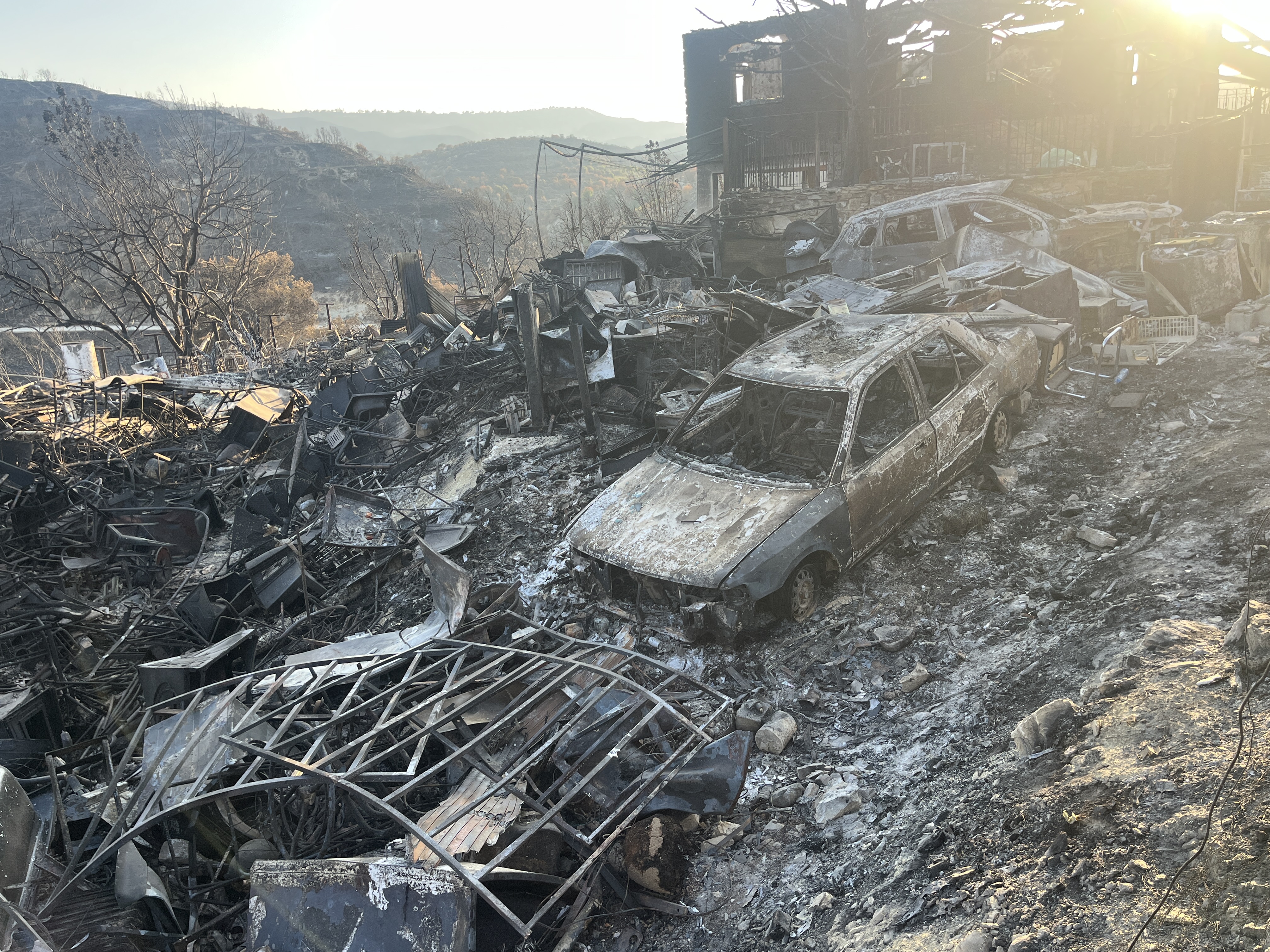
Photo: cyprus-mail.com
Fuelled by a combination of prolonged drought, an intense heatwave, and strong winds, the blaze scorched a staggering 104 square kilometres of land, according to the Eratosthenes Centre of Excellence at the Cyprus University of Technology. The government reported a slightly higher figure of 124 square kilometres. Tragically, the inferno claimed two lives and significantly affected livestock, homes, businesses, crops, and critical infrastructure.
Climate adaptation: Visible and Hidden Devastation
The immediate aftermath is stark, with countless homes reduced to ashes and livelihoods shattered. The disaster has also raised alarms about potential post-fire flash floods, which threaten lower-lying communities. Scientists warn that these floods could contaminate vital water resources by washing debris and toxic heavy metals into waterways and reservoirs, including the Kouris dam.
For the surviving wildlife, habitat loss means increased vulnerability to disease and pests. Moreover, hazardous air quality during and after the crisis poses health risks for residents and responders alike. The cycle of destruction is further compounded by the phenomenon of climate feedback loops, where the carbon released by wildfires exacerbates warming conditions, setting the stage for even more frequent and severe fires in the future.
Immediate Actions and Long-term Strategies
In light of this disaster, the urgent priority is to support those affected and implement measures for environmental management. This includes critical anti-erosion and flood-prevention works to mitigate the risk of secondary disasters. A collaborative public-private programme for soil rehabilitation and natural recovery must also be established to aid in long-term recovery.
Scientists stress that Cyprus must invest in bold climate adaptation initiatives to avert overwhelming costs in the future. Projections indicate that Cyprus will face the highest economic losses from excessive heat among EU countries, emphasising the need for systemic investments. A study by the Cyprus Institute suggests that an additional investment of €3.4 billion, roughly 0.4 per cent of the national GDP, is necessary by 2050 to avoid greater costs and to safeguard national security and social welfare.
Protecting Natural Resources
One critical area for investment is the Troodos mountain range, the island’s largest natural carbon sink and primary water source. Preserving its health is essential for Cyprus’ climate resilience, and the recent fires serve as a stark reminder of the consequences of neglecting this vital ecosystem.
A Community Awakening
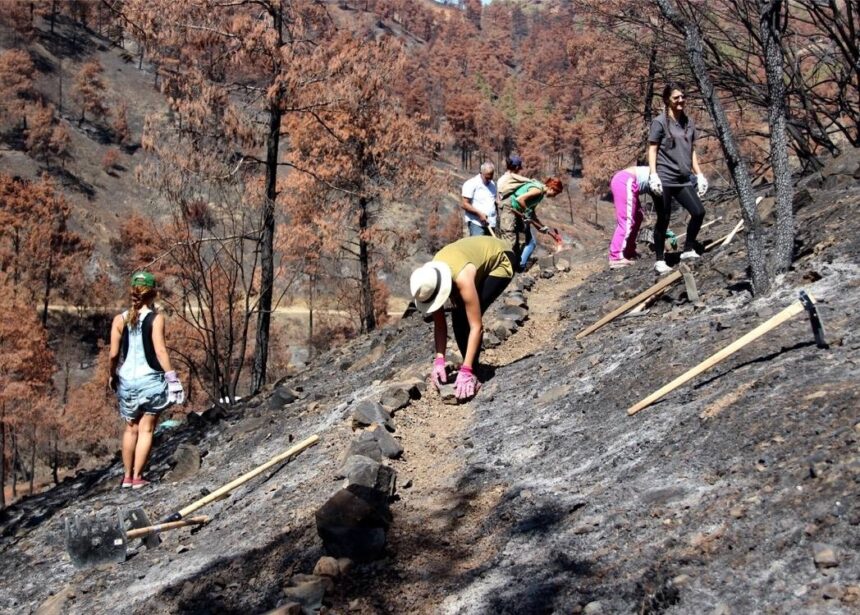
The disaster has sparked a wake-up call for rural communities, many of which are mobilising to improve their preparedness for future fires. Local groups are forming coalitions to purchase firefighting vehicles and develop evacuation plans. They are also addressing illegal dumping sites and establishing strategic firebreaks to protect their villages and infrastructure.
This grassroots mobilisation underscores the importance of civil society in driving transformative change. Local NGOs and active citizens are uniquely positioned to identify vulnerabilities, promote innovations, and ensure accountability in recovery efforts. Their involvement is crucial for bridging the gap between scientific research and community action.
Hope Amidst Despair
Despite the challenges, stories of resilience shine through. Volunteers have stepped up to contain the fire and assist those in need, demonstrating that citizen action can thrive even when political leadership falters. This spirit of determination offers hope for a more resilient future, one where communities learn from past mistakes and implement proactive measures to safeguard their environment.
The path forward requires collaboration between communities, government, and civil society to create a more robust response to climate challenges. As Cyprus navigates the aftermath of this disaster, the lessons learned must inform future policies and actions, ensuring that the island is better prepared for the uncertainties of climate change.