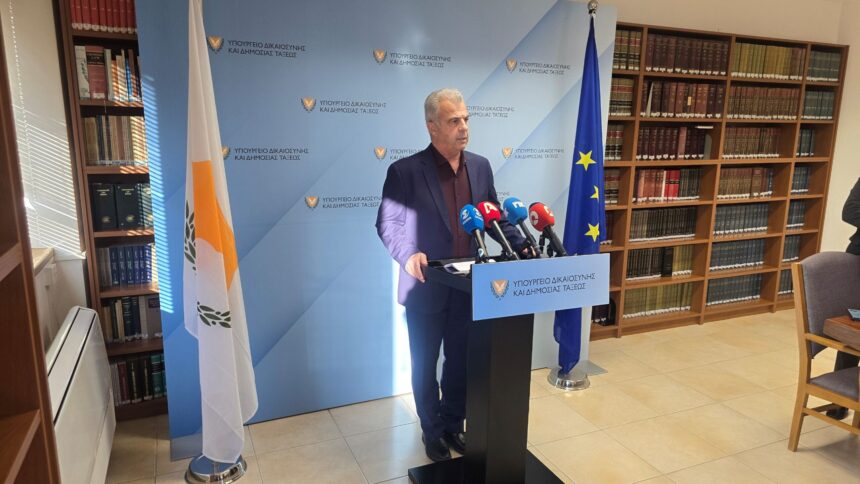
Police unions are poised to protest against a proposed reform of working hours affecting officers of all ranks, following a tense meeting with Justice Minister Costas Fitiris on Friday.
- Police unions are poised to protest against a proposed reform of working hours affecting officers of all ranks, following a tense meeting with Justice Minister Costas Fitiris on Friday.
Working hours: Union Leaders Express Strong Opposition
Nikos Loizides, head of the police branch of the Isotita trade union, voiced the unions’ dissatisfaction with the plans put forth by Police Chief Themistos Arnaoutis earlier this week. Loizides stated, “We have legal remedies at our disposal, including the Joint Police Committee, the European police union and the courts. With the approval of my council, we are also prepared to hold protests in unexpected locations and on unanticipated days.” He hinted at the potential for protests coinciding with the opening ceremony of Cyprus’ EU Council presidency on January 7.
Concerns Over Working Conditions
During the meeting, Loizides conveyed concerns that the reform would significantly reduce officers’ rest days. Under the proposed changes, officers would only receive one day off for every 76 working days, a drastic reduction from the previous one day off for every 20 days worked. He stressed that this would lead to a depletion of morale and operational effectiveness within the force.
Minister Calls for Dialogue
Justice Minister Costas Fitiris urged the unions to adopt a more conciliatory approach, asserting that the police chief’s orders must be respected. Fitiris remarked, “Discipline also means that even those who disagree must carry out orders given by their superiors without question.” He suggested that the unions could pursue legal recourse but emphasised the need for collective responsibility in maintaining public safety.
Allegations of Misconduct Fuel Tensions
The tensions were further exacerbated by comments from the police chief, who insinuated that some officers might be abusing overtime and that there were “shady unions” with hidden agendas. Loizides responded, stating that these assertions contributed to the unions’ strong backlash against the reform.
Union Strategy Moving Forward
In a joint statement, police unions expressed their belief that Arnaoutis’ proposals circumvented established labour practices. They argued that any changes to working hours should result from discussions rather than unilateral decisions. Angelos Nikolaou, president of the Cyprus Police Association (CPA), described the meeting with Fitiris as productive yet noted that the minister did not address the substance of their concerns. Nikolaou mentioned that the CPA had appealed to the Joint Police Committee to review the police chief’s decision, signalling an ongoing dialogue.
Future Actions and Considerations
As discussions continue, Nikolaou highlighted the importance of labour rights for police officers, stating, “The essence is the labour rights of police officers and we must defend those who work and give their all to their duty.” While the possibility of strikes remains on the table, Nikolaou expressed hope that a work stoppage could be avoided, reflecting a desire for resolution rather than confrontation. The unions are also preparing to bring the matter to parliament if necessary, underscoring the seriousness of their position amidst the proposed reforms.