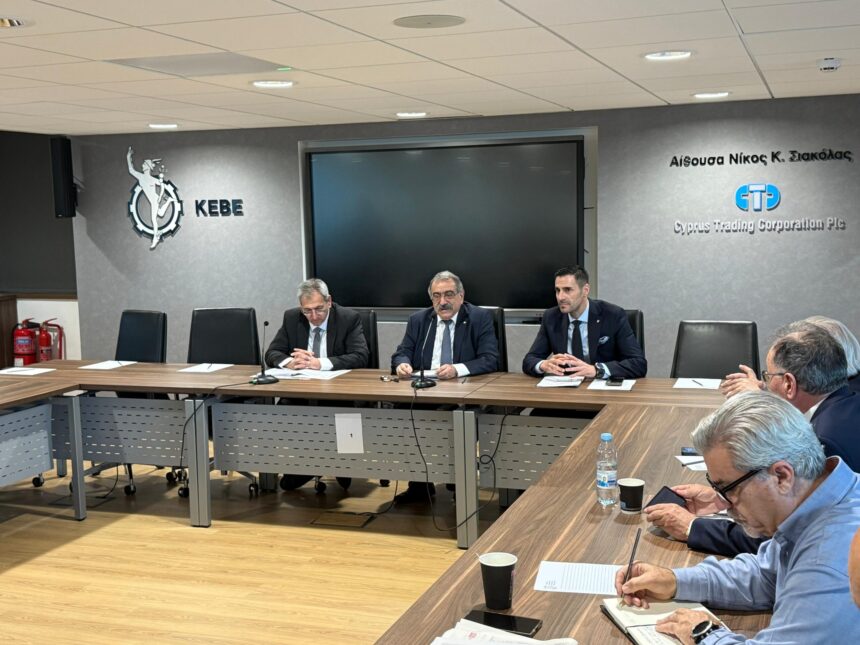
The growing workforce shortages in Cyprus prompted Labour Minister Marinos Moushiouttas to meet with the board of the Cyprus Chamber of Commerce and Industry (Keve) on Tuesday. The discussion focused on the increasing pressures within the labour market and the essential policy reforms that impact local businesses.
- The outcomes of these discussions will be pivotal in shaping policies that support both businesses and workers in Cyprus, ensuring a more resilient economic future.
Workforce shortages: Addressing Labour Challenges
The meeting, which took place in Cyprus, brought together the minister and the Keve board of directors. During their extensive discussions, participants highlighted serious workforce shortages that are affecting businesses across all sectors of economic activity.
Keve expressed that these shortages are undermining business competitiveness, with cascading effects on the economy as a whole. According to the latest labour market data shared during the meeting, the employment rate in Cyprus has surged to 79.85 per cent, while unemployment has dropped to a mere 5 per cent. These figures indicate conditions of near full employment, which, as Keve pointed out, are creating an acute shortage of labour that makes it increasingly challenging for businesses to fulfil their staffing needs.
The Need for Foreign Workers
In light of the workforce shortages, Keve noted that the “continued granting of permits for foreign workers is unavoidable in order to cover labour shortages.” This statement underscores the urgency with which businesses are seeking solutions to their staffing challenges.
Moreover, Keve called for a modernisation of the criteria for issuing work permits to ensure alignment with current labour market realities. The chamber advocates for a more flexible approach that could facilitate the hiring of foreign workers while still addressing the needs of the local labour force.
Student Employment and Policy Reforms
In addition to foreign worker permits, the chamber discussed the potential for students to work without restrictions across all professions. This proposal aligns with practices in other European Union countries and aims to ease the pressure on the current workforce while also providing students with valuable experience.
The conversation also delved into pension reform, with Keve noting its active participation in the work of the relevant technical committee. The chamber aims to help shape a pension system that is socially fair and sustainable, compatible with both the needs of the Cypriot economy and the well-being of its citizens.
Significant Implications of Pension Reform
Keve emphasised that the proposed pension reform is a deeply structural intervention with considerable social, economic, and fiscal implications. The chamber made it clear that the reform requires a well-documented approach, thorough cost assessment, and complete transparency to avoid imposing disproportionate burdens on the economy.
Furthermore, Keve reiterated its support for rationalising the pension system, provided the reform remains transparent, fiscally prudent, and socially targeted. The chamber also raised concerns that reforms should not jeopardise the sustainability of the Social Insurance Fund or lead to future challenges due to increased contributions.
Concerns Over Minimum Wage Policy
Another significant topic discussed during the meeting was the national minimum wage. Keve conveyed its strong disagreement with the introduction of an hourly minimum wage, expressing concerns about its potential negative impact on businesses. The chamber argued that the determination of hourly labour costs should continue to reflect the working hours established by each individual business.
This approach, according to Keve, mirrors practices in other EU countries that apply a statutory minimum wage, suggesting a need for consistency in wage determination to maintain competitive business conditions.
Looking Ahead
As Cyprus continues to grapple with workforce shortages, the discussions between Labour Minister Moushiouttas and the Cyprus Chamber of Commerce shed light on the critical issues facing businesses today. The emphasis on modernising work permit criteria, allowing student employment, and reforming pension systems highlights a multi-faceted approach needed to navigate the complexities of the labour market.
The outcomes of these discussions will be pivotal in shaping policies that support both businesses and workers in Cyprus, ensuring a more resilient economic future.