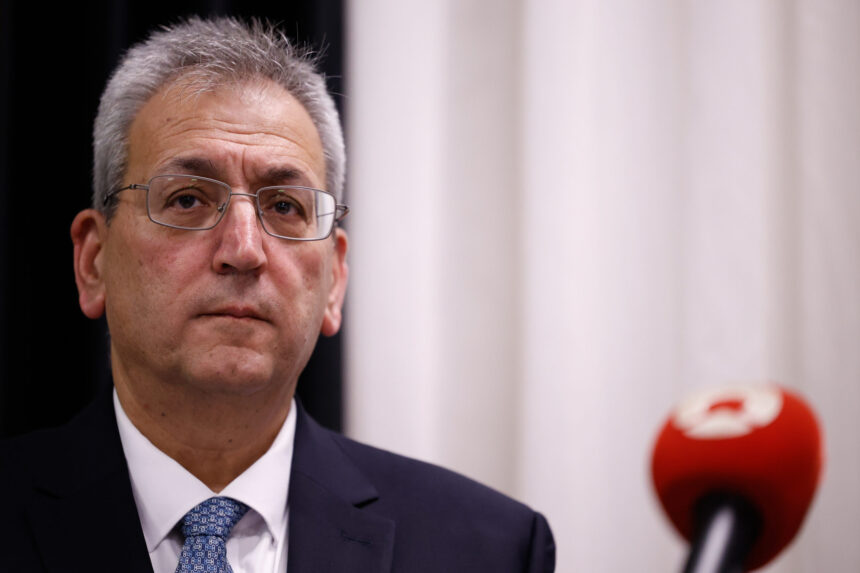
Pension reform bills will now be submitted in 2026 instead of the previously anticipated end of 2025, Labour Minister Marinos Mousiouttas announced on Saturday.
- Pension reform bills will now be submitted in 2026 instead of the previously anticipated end of 2025, Labour Minister Marinos Mousiouttas announced on Saturday.
Pension reform: Reasons Behind the Delay
The shift in the timeline is attributed to the transition period following Mousiouttas’s recent appointment and the pressing need to address the minimum wage issue. In his statement, he emphasised that the complexity of the pension reform requires thorough preparation and consultation.
Transition Period and Urgent Priorities
Mousiouttas highlighted that a new minister requires adequate time to be fully briefed on the intricacies of such significant reforms. He noted that internal briefings are set to commence on Monday, as the issue is multifaceted and demands careful consideration.
Previous Milestones and Expectations
Former labour minister Yiannis Panayiotou had previously informed the House finance committee that discussions regarding pension reform were nearing completion. The objective was to have the bills ready for submission before the end of 2025 to ensure they could be approved before the current parliamentary term concludes. This change in schedule has raised concerns among stakeholders who were anticipating progress in the coming months.
Consultation Plans Moving Forward
Mousiouttas stated that after internal preparations are finalised, consultations will occur with the labour advisory board and all relevant social partners, adhering to the tripartite cooperation process. He expressed that detailed discussions are expected to take place throughout 2026, indicating a proactive approach to engaging with various stakeholders.
Focus on Minimum Wage as Immediate Task
In addition to pension reform, Mousiouttas underscored that addressing the minimum wage is his immediate priority. He is scheduled to meet with trade unions Peo and Sek on Monday, followed by discussions with the employers and industrialists federation (Oev) and the chamber of commerce and industry (Keve) later in the week. The goal is to issue a minimum wage decree by the end of the year, aiming for as much consensus as possible.
Estimates and Future Projections
When questioned about a proposed minimum wage figure of €1,125, which was mentioned by his predecessor, Mousiouttas acknowledged the respect for previous views but emphasised that it is premature to commit to a specific number. He called for patience as he gathers a comprehensive understanding of the situation.
Additional Priorities and Strategies
Aside from pensions and wage concerns, the minister also indicated that enhancing processing times for social insurance benefits is a key priority. According to him, while some benefits are now issued automatically, others require modernisation to improve efficiency. He expressed a commitment to reducing waiting times and expediting the examination and payment of all benefits.
Addressing Labour Shortages
Mousiouttas further addressed the issue of labour shortages and the necessity of employing foreign workers. He stated that identifying gaps in the workforce is critical, particularly in professions where there are insufficient Cypriot workers. The minister is evaluating whether these gaps can be filled by EU citizens or, if needed, third-country nationals.
Existing Agreements and Future Considerations
He noted that an existing agreement concerning foreign labour remains in effect and will continue, but he plans to examine the situation on a case-by-case basis to ensure that the needs of businesses are met. Mousiouttas stressed that no business can prosper without adequate staffing, highlighting the urgency of addressing this issue.
Commitment to Cooperation and Quality of Life
Throughout his discussions, Mousiouttas reiterated the ministry’s commitment to fostering labour peace, upholding collective agreements, and enhancing the quality of life for workers, as far as public finances allow. He aims to collaborate closely with employers, trade unions, and organised groups to pursue these objectives effectively.