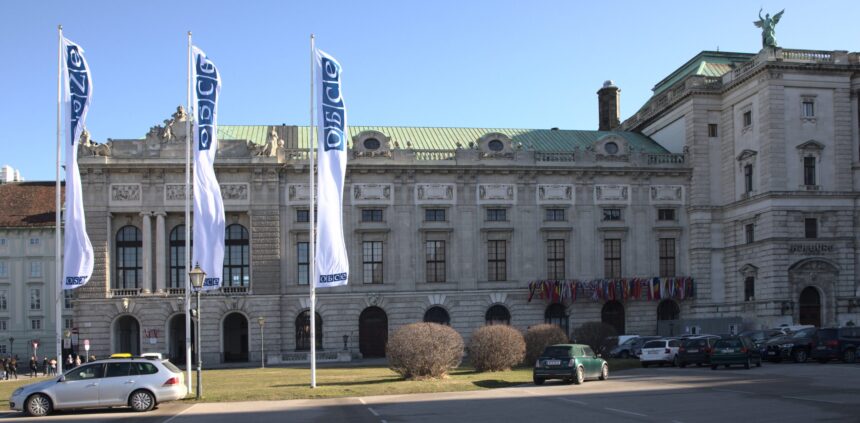
cyprus law — cyprus law — The Organisation for Security and Cooperation in Europe (OSCE) has strongly criticised a new law in Cyprus that regulates public gatherings and parades. This legislation, passed by the Cypriot parliament in July, has raised significant concerns regarding its implications for the right to peaceful assembly.
Cyprus law: Concerns Raised by the OSCE
In a report dated September 17, the OSCE’s Office for Democratic Institutions and Human Rights described various provisions of the law as arbitrary and cautioned that it could lead to a chilling effect on citizens’ rights to assemble peacefully. The urgent legal opinion was requested by Akel MP Irini Charalambidou shortly after the law’s enactment.
Arbitrary Powers and Disproportionate Sanctions
The OSCE expressed alarm at the excessive discretionary powers granted to authorities, particularly the chief of police, to dissolve public gatherings. The report highlighted that such powers could be exercised in an arbitrary manner, raising concerns over accountability and the potential for misuse.
“Generally, while the Law appears to strive for more communication channels between the police and the organisers to facilitate peaceful gatherings, it does not adequately reflect the state’s positive obligations to protect, respect and facilitate the exercise of the right to freedom of peaceful assembly,” the OSCE’s legal opinion stated. The broad wording of various provisions could compromise legal certainty, making it easier for authorities to impose disproportionate restrictions.
Impact of the New Legislation
The law introduces two criminal offences related to public assemblies. The first offence criminalises any act of violence or incitement to violence that disrupts a peaceful assembly, with penalties of up to three years in prison and fines of up to €10,000. The second offence pertains to individuals who refuse police orders to remove items that conceal their identity, linked to actions that may render the assembly non-peaceful. This offence carries penalties of up to two years’ imprisonment and fines of up to €5,000.
The OSCE has deemed these sanctions excessive, arguing that they could deter individuals from exercising their right to assemble peacefully. They urged that such penalties be reconsidered to ensure they remain proportionate to the violations.
Recommendations from the OSCE
The report emphasised the necessity for accountability mechanisms regarding police actions during public gatherings. It suggested that legislation should provide avenues for legal redress when police actions are deemed unnecessary or disproportionate. The OSCE underscored that dispersing a peaceful assembly should always be a measure of last resort and that some level of disruption is often inherent to public gatherings.
Charalambidou has expressed her intention to use the OSCE report to advocate for amendments to the law. She plans to meet with the justice minister to discuss potential changes that align with international human rights standards. Furthermore, she indicated that an OSCE team is willing to visit Cyprus to present their findings, highlighting the importance of dialogue in addressing these issues.
Public Reaction and Future Implications
The OSCE’s critique has sparked discussions among Cypriots regarding their rights and the government’s role in facilitating peaceful assembly. Concerns have been raised about the implications of the law on civil liberties and the potential for increased tension between the authorities and the public.
As the situation develops, it remains to be seen how the Cypriot government will respond to the OSCE’s recommendations and the calls for amendments to the controversial law. The ongoing dialogue between lawmakers, civil society, and international organisations will be crucial in shaping the future of public gatherings in Cyprus.