Cyprus’ healthcare system is grappling with a significant nurse shortage, as highlighted by the employers’ federation (Oev) during its annual general meeting in Nicosia on Tuesday.
- Cyprus’ healthcare system is grappling with a significant nurse shortage, as highlighted by the employers’ federation (Oev) during its annual general meeting in Nicosia on Tuesday.
- Pantelides concluded by stating that system stability hinges on ensuring sufficient workforce capacity across all healthcare services.
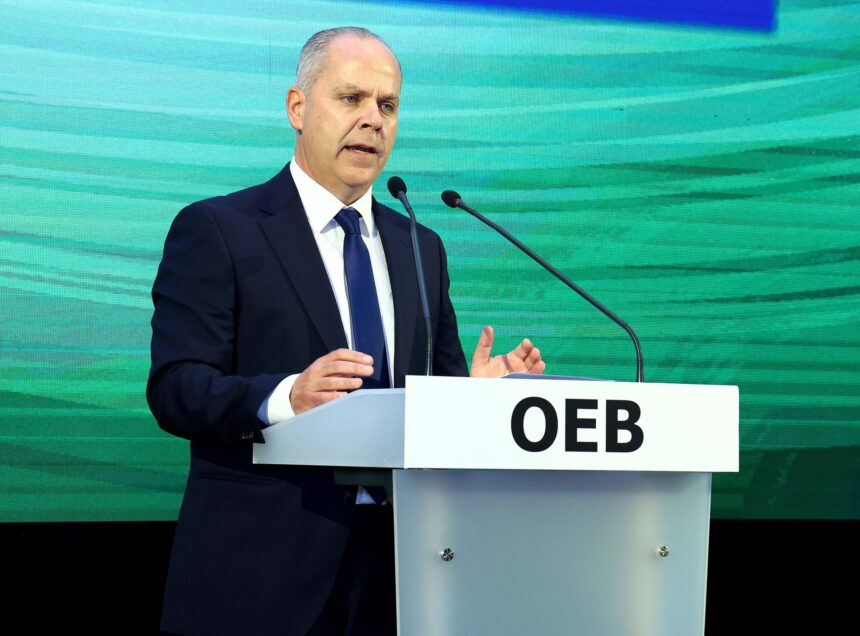
Oev president George Pantelides addressed the ongoing challenges, stating that the system remains vulnerable due to a limited labour supply and regulatory barriers. He emphasised the urgent need for “targeted and coordinated policy responses” to stabilise staffing levels across healthcare services.
The federation reported that unresolved staffing gaps are already hindering service delivery in both public and private healthcare settings. Current estimates suggest a shortfall of at least 580 nurses, with some assessments indicating that the number could be higher when factoring in rehabilitation, community care, and palliative services.
Nurse shortage: Concerns Over Nurse-to-Population Ratios
European comparative data presented during the meeting revealed that Cyprus has approximately four to five nurses per 1,000 inhabitants, which is notably below the EU average of eight to nine. The nurse-to-doctor ratio in Cyprus is also concerning, remaining close to 1:1 compared to the European average of over 2.5 nurses per doctor.
Private healthcare providers have voiced their concerns, noting that these shortages are already impacting operational capacity. Marios Karaiskakis, president of the private hospitals association (Pasin), described the lack of nurses as an “endemic issue” in the sector. Factors such as retirements, increasing service demand, and restricted recruitment pools are contributing to the crisis.
Legislative Delays and Recruitment Challenges
Oev has also pointed a finger at delays in legislative reforms aimed at facilitating the controlled recruitment of nurses from third countries. Proposed amendments currently under parliamentary discussion would allow foreign nurses to work under regulated conditions. This includes a cap of 10 per cent of staff per facility, Greek language requirements, and restrictions on senior clinical roles.
Moreover, the proposals suggest removing the requirement for postgraduate qualifications for certain foreign-trained nurses, a condition that employers argue has severely limited their recruitment options.
Voices of Concern from Nursing Unions
Despite the push for legislative changes, nursing unions and professional groups have expressed opposition, arguing that workforce shortages cannot be resolved through recruitment alone. Union representatives have stressed the need to address structural issues, including workload, pay levels, and staffing ratios, to improve the overall situation.
Concerns regarding service quality and patient safety have also been raised, with one representative asserting that “health cannot be treated as a commodity.” They called for improved staffing levels and collective agreements to ensure better care for patients.
Implications for Care Delivery
Employers have warned that continued shortages could jeopardise compliance thresholds, especially in smaller private facilities. The Health Insurance Organisation (HIO), responsible for administering Gesy, has come under scrutiny from MPs over the sustainability of the system, with concerns about the reliance on adequate staffing for service delivery.
In response to the ongoing crisis, Oev plans to convene healthcare sector stakeholders to evaluate the impact of the nurse shortages and to explore coordinated responses. The federation aims to prevent further deterioration in service capacity and to ensure continuity of care across both public hospitals and Gesy-affiliated providers.
Pantelides concluded by stating that system stability hinges on ensuring sufficient workforce capacity across all healthcare services.