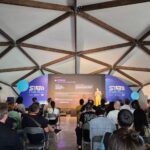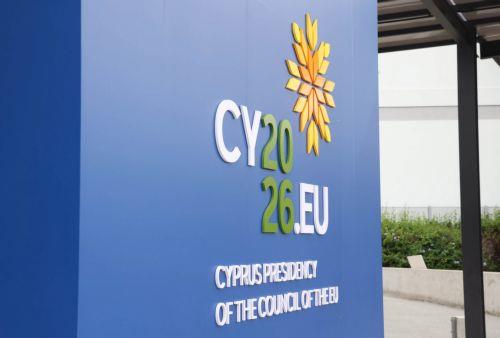
Nicosia is hosting an informal Ecofin meeting this weekend, as finance ministers from across the European Union gather to discuss critical economic issues under Cyprus’ presidency. The Economic and Financial Affairs Council (Ecofin) meeting is set for Friday and Saturday, chaired by Finance Minister Makis Keravnos.
Ecofin meeting: Focus on Economic Competitiveness and Stability
The agenda of the meeting highlights the bloc’s economic competitiveness, investment needs, and financial stability, particularly in light of increasing geopolitical uncertainty. According to the Cyprus presidency, the proceedings will commence at 12.15pm on Friday with a working lunch aimed at fortifying the EU’s competitiveness in a challenging global landscape.
Key Discussions and Contributions
During the working lunch, ministers are expected to share insights on the pressing need to enhance the EU economy’s competitiveness. This discussion will be guided by a paper prepared by the Cyprus presidency, providing a framework for the dialogue. Notable contributions will come from European Stability Mechanism managing director Pierre Gramegna, alongside economist Andreas Theophanous, who will provide expert opinions on the current economic climate.
Measures for Economic Improvement
Further discussions will delve into specific measures that can be undertaken at the European level to bolster the economic performance of the bloc. Participants will explore recent macroeconomic developments, housing competitiveness, and the progress towards the digital euro, with insights from Aurore Lalucq, chair of the European Parliament’s economic and monetary affairs committee.
Joint Session on Stablecoins
Friday’s agenda will also see a joint session involving finance ministers and central bank governors, concluding at 4pm. This session will focus on stablecoins, examining their characteristics and their role within the economy. A presentation by Jeromin Zettelmeyer, director of the Brussels-based think tank Bruegel, will inform this vital discussion, contributing to the understanding of stablecoins in today’s financial landscape.
Eurogroup Meeting Highlights
In addition to the Ecofin meeting, Cyprus will also host a Eurogroup meeting on Friday, which will be chaired by Eurogroup president Kyriakos Pierrakakis. This meeting will further address financial matters pertinent to the Eurozone, ensuring comprehensive dialogue on economic stability and growth.
Saturday Sessions on Investment and Fiscal Sustainability
As the Ecofin meeting continues into Saturday, sessions are scheduled to begin at 9.30am. Ministers will engage in discussions centred on how the EU can effectively meet rising investment demands while maintaining fiscal sustainability over the long term. Presentations from experts Oya Celasun and Tony Murphy will support these discussions, providing invaluable analysis on investment strategies.
Addressing Future Economic Challenges
This informal Ecofin meeting in Nicosia underscores the EU’s commitment to addressing current and future economic challenges. As geopolitical uncertainties loom, the discussions aim to forge pathways for enhanced competitiveness and financial stability across member states. The outcomes of these meetings are expected to shape EU policies and strategies moving forward, particularly as the bloc navigates a rapidly evolving global economic landscape.
Potential Outcomes and Implications
With finance ministers from all EU member states participating, the Ecofin meeting represents a crucial opportunity for collaboration and consensus-building. The discussions may lead to actionable measures intended to enhance the EU’s economic resilience, addressing both immediate concerns and long-term objectives. The focus on stablecoins and digital currencies also highlights the need for the EU to adapt to emerging financial technologies that could reshape the economic framework.