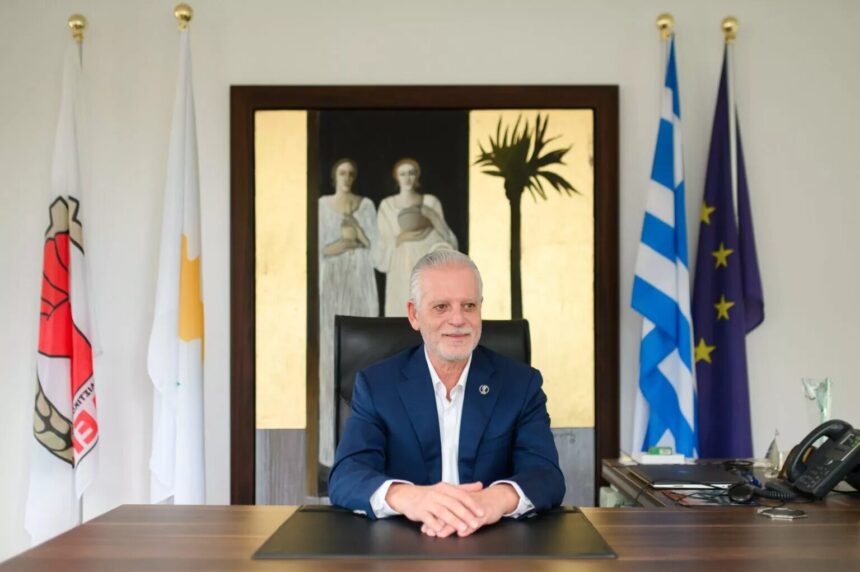
Marinos Sizopoulos, an MP and former president of EDEK, has publicly refuted corruption allegations against him, asserting that he discovered the forgery himself. The accusations stem from a report by the Independent Authority Against Corruption, implicating Sizopoulos and other shareholders of Taxan Properties.
Sizopoulos has announced plans to issue a detailed statement following his return to Cyprus after a scheduled trip abroad. He has indicated that he will hold a press conference early next week, where he aims to present all relevant evidence supporting his claims. “I will first study the report,” he stated to Philenews.
In subsequent interviews, Sizopoulos has expressed his firm denial of any wrongdoing, challenging the legitimacy of the Authority’s findings. He claims that he was the individual who identified the signature forgery related to an Iraqi investor, which led to his formal complaint to the police.
When questioned about the possibility of the case proceeding to court, Sizopoulos responded confidently, stating, “no problem,” and reiterated that he possesses all necessary evidence to support his position.
Controversy surrounds the investigation initiated by the Independent Authority Against Corruption, which has uncovered potential criminal offences, including fraud, forgery, and conspiracy to defraud. These findings revolve around a loan settlement arrangement involving the write-off of €956,900, wherein the signatures of Taxan shareholders were allegedly forged to secure a bank loan.
Sizopoulos has indicated that he will not only defend himself against these allegations but will also seek clarity on whether the Authority had the jurisdiction to investigate this case and the right to publish its findings. He reserves the right to challenge the processes followed by the Authority.
The unfolding situation has attracted significant media attention, with Sizopoulos’s assertions likely to be closely scrutinised in the coming days as he prepares to present his evidence. His claims of uncovering forgery raise questions about the integrity of the investigations and the broader implications for those involved.