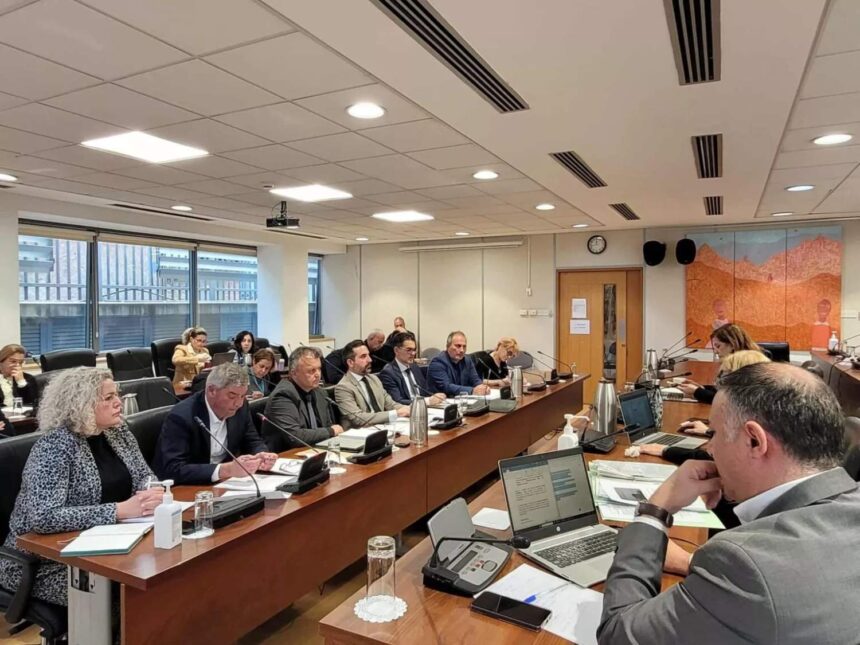
A Lebanese family with six children is facing homelessness and hunger due to a lack of coordination among agencies. This alarming situation was highlighted during a Human Rights Committee session on Monday, where MPs discussed the appalling conditions vulnerable families endure.
Lebanese family: Shocking Allegations of Mismanagement
MP Irene Charalambidou brought attention to the plight of the Lebanese family, whose children range in age from 5 to 17. These minors have been left without shelter or food while awaiting repatriation, raising significant concerns about the effectiveness of state support systems.
Charalambidou’s remarks were part of a broader discussion regarding the management of housing for vulnerable families, particularly those with children, in situations where repatriation is imminent. The committee’s deliberations revealed that this family is not alone in their struggles, as other cases of mismanagement were also cited.
Other Distressing Cases Highlighted
MP Christos Senekis shared another disturbing story involving a family with a quadriplegic child who faced eviction by KEDIPES, the organisation responsible for managing state-owned properties. After a long struggle to find suitable accommodation, they managed to secure a two-room house. However, the situation remains dire as they converted their garage into a bedroom for the child, which lacks an internal door connecting it to the house. Rain has trapped the child in these inadequate conditions, making it impossible for the family to provide proper care.
In yet another case, Senekis described a person living in a prefab structure behind a relative’s house who lost access to basic utilities after a family dispute. These stories underline the systemic failures affecting vulnerable individuals, particularly those in need of urgent assistance.
Official Reactions to the Family’s Plight
Deputy Minister of Migration and International Protection Nicholas Ioannides expressed his distress over the Lebanese family’s circumstances. He stated, “It is very sad what happened with this specific family. It upsets us. Our efforts are always the protection of the individual’s rights.” He noted that the family initially attempted to relocate to another country but later withdrew their application and sought asylum in Cyprus, resulting in confusion about their status.
Ioannides clarified that the shifting circumstances led to misunderstandings among the agencies involved, and he stressed that the situation, while unacceptable, was not indicative of a broader failure. He affirmed that spaces are being prepared for both asylum seekers and those seeking repatriation.
Questions Surrounding Agency Actions
Charalambidou demanded accountability from the Welfare Services, revealing that the family received financial assistance for rent but was subsequently evicted when the funds ran out. “They threw them out and left them on the street without food,” she lamented. The general director of the Deputy Ministry of Social Welfare, Yiannis Nikolaidis, contested these accusations, asserting that appropriate actions were taken and the crisis was managed effectively. He claimed, “It is unfair to say that Social Welfare Services (SWS) do not handle such cases with sensitivity and speed.”
Understanding the Family’s Journey
According to police reports, the family arrived in Cyprus from Lebanon by boat in 2022, originally aiming for Italy. The family consists of nine members, including a daughter who is married and residing in Cyprus. They were entitled to move to Kofinou, as stated by a police representative.
However, Charalambidou countered that the family was initially rejected from Kofinou and faced being left on the street. After some pressure, they were accommodated in a hotel, yet they still struggled with food access, further complicating their situation.
Calls for Accountability and Reform
As the session progressed, Charalambidou insisted on obtaining written reports from both the SWS and police detailing their handling of the family’s case. She demanded clarity from the Deputy Ministry regarding who was responsible for the oversight. “If this family could go to a European court, Cyprus would receive another conviction,” she warned, highlighting the potential legal repercussions of the state’s failures in this matter.
The discussion during the Human Rights Committee session underscores a critical need for improved coordination among state agencies to protect vulnerable families. The distressing experiences of the Lebanese family and others like them reveal systemic issues that require urgent attention to prevent further suffering.