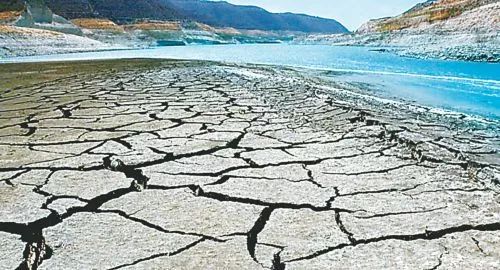
water emergency — Cyprus is currently in a water emergency, with reservoir levels dangerously low at just 13%. The Cabinet’s recent decisions reflect the urgency of the situation, as inflows to these reservoirs remain virtually non-existent, despite some rainfall.
The government has initiated a sixth package of measures totalling €168 million aimed at preventing household water supply cuts. A blanket reduction of 10% in domestic water supply has been mandated, while farmers are facing even more severe cuts of up to 33%, marking a significant blow to the agricultural sector.
Recent data from the Water Development Department highlights the severity of the crisis. Cyprus is enduring its fourth consecutive year of drought, with total reservoir inflow from 1 October amounting to only 16 million cubic metres—merely 5.5% of total capacity. The ongoing water year is ranked among the driest since 1902, with rainfall recorded at roughly 65% of the long-term average.
Looking ahead, the water situation in 2026 is projected to be precarious, with low starting reserves adding pressure to the supply system. The Ministry of Agriculture, Rural Development and Environment has warned that without immediate action, reserves under the Southern Conveyor Project could be depleted by next August, leading to unavoidable household water cuts in the following years.
To mitigate the impact of the drought, the authorities plan to focus on three key areas: increasing available water quantities, reducing demand, and minimising losses in supply networks. The strategy aims to ensure full coverage of drinking water needs across areas served by the Southern Conveyor Project while prioritising irrigation for professional growers.
In a move to prevent chaotic water interruptions during the summer months, the Ministry has proposed strict planning measures. The allocation for domestic water use in 2026 is set at 103 million cubic metres, down from 114 million in 2025, while irrigation supply will drop significantly from 33 million to 22 million cubic metres. Although the ministry describes this reduction as precautionary, it poses a considerable risk to agricultural production.
Authorities have granted a narrow window for revisiting these measures after April, contingent on substantial rainfall that could yield more than 32 million cubic metres of inflow. However, current evidence suggests that this scenario is unlikely.
“The reduction in supply is necessary to ensure uninterrupted water provision throughout the year,” the proposal states, urging citizens and local authorities to collaborate closely to prevent waste. This decision has sparked some discontent, particularly among agricultural organisations, which argue that the burden is disproportionately affecting farmers. They advocate for deeper cuts in urban areas and financial compensation for losses incurred due to water shortages.
Moving forward, the government is focusing on rapidly increasing water production. Five urgent projects are under consideration, including a floating desalination unit in Germasogeia and a new mobile unit in Mazotos, both expected to significantly boost desalination capacity. Together, these efforts aim to strengthen the domestic water supply and create a buffer against future shortages.
In total, nine mobile desalination units will be added, enhancing Cyprus’s overall capacity by 66%, alongside the completion of two permanent desalination plants by 2029. These initiatives are part of a broader strategy to secure water needs nationwide.
Despite ongoing awareness campaigns, water demand continues to rise at an alarming rate of 5% annually. In response, the government has allocated €6 million for water-saving fittings across homes and public buildings, while also targeting a 10% reduction in hotel water consumption through incentives for private desalination.
The ageing water supply networks present another significant challenge. The Cabinet has approved an additional €1.5 million grant for rapid-response crews to repair faults swiftly, with a commitment to improve the overall efficiency of water delivery systems.
In light of the current crisis, the Water Development Department is urging local governments to propose immediate actions that can be implemented within three to six months, including measures to replace ageing connections and utilise leak-detection technology. With the total earmarked amount for 2026 standing at €1.5 million, the focus remains squarely on overcoming this pressing water scarcity issue.