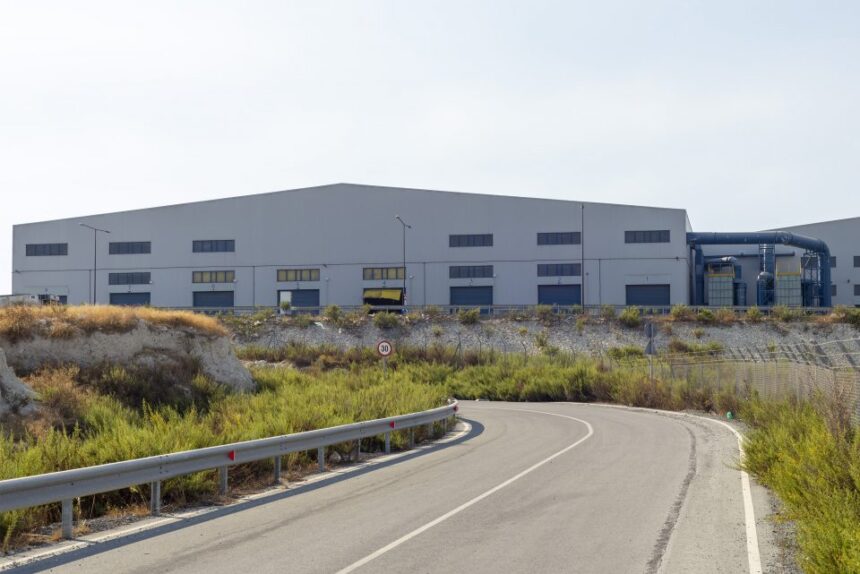
landfill crisis — Cyprus’ landfill crisis deepens following the parliament’s rejection of a municipal waste landfill tax, putting €23 million in European funding at risk. The proposed tax aimed to charge €10 per tonne of municipal waste sent to landfill until the end of next year, with plans for annual increases leading to €70 per tonne by 2035.
Photo: cyprus-mail.com
The government has argued that implementing this tax was crucial for meeting European environmental obligations and unlocking vital funding from the Recovery and Resilience Plan. According to the agriculture ministry, the rejection means local authorities will miss out on €23 million intended for waste management modernisation, which, when combined with national co-financing, could have bolstered resources to approximately €48 million.
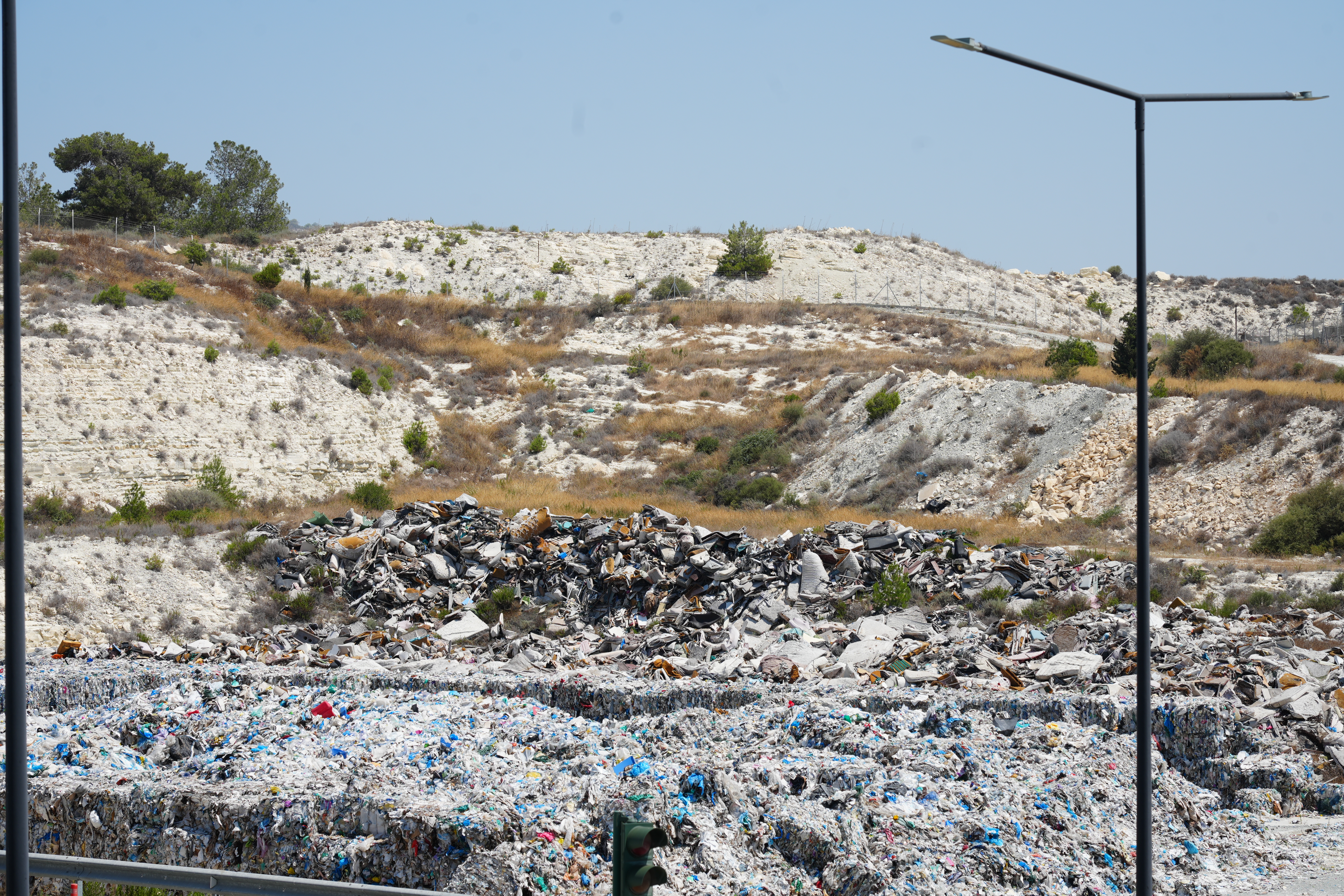
Photo: cyprus-mail.com
In a statement to the Cyprus Mail, the ministry noted that the current government inherited significant challenges, including infrastructure deficiencies and specific European commitments. Originally proposed at €35 per tonne, the tax was reduced to €10 after consultations with the European Commission. The ministry suggested that the cost to households would be manageable, estimating less than €1 per month, or about €10 annually by 2027.
Opponents of the legislation have voiced concerns that the tax would unfairly burden households and municipalities, especially before the necessary recycling and waste separation infrastructure is in place. The Union of Municipalities welcomed the rejection, asserting that local authorities and citizens should not bear the financial consequences of state failures in waste management.
Currently, around 68% of municipal waste in Cyprus ends up in landfills, starkly contrasting with the European Union’s goal of reducing landfill use to just 10% by 2035. The government presented the landfill tax as an environmental initiative to encourage recycling and source separation through a “Pay as You Throw” system. However, critics argue that this system should have been established before the tax was introduced, enabling households to lower their waste charges through better recycling practices.
Disy MP Andreas Constantinou expressed serious reservations about the tax, pointing out that the “Pay as You Throw” system had not been implemented prior to the proposed landfill tax. He highlighted that the state bears significant responsibilities for not creating the necessary conditions for such a system to function effectively.
Akel MP Nikos Kettiros described the proposed tax as a “government incompetence tax,” arguing that it would not lead to a reduction in waste sent to landfills due to the lack of adequate infrastructure. He emphasised that citizens should not be penalised for failures beyond their control.
The discussion surrounding the landfill tax has exposed broader issues regarding the “Pay as You Throw” system, which authorities had touted as a key mechanism for reducing waste and promoting source separation. Although pilot projects have been initiated in municipalities like Aglandjia, the rollout has faced delays attributable to insufficient infrastructure for managing diverse waste streams.
This system involves households purchasing specially issued bags for residual waste, incentivising residents to sort their waste by rewarding those who recycle and separate organic materials. Yet, officials have warned that Cyprus currently lacks the facilities to process the waste streams generated by this initiative.
Former House environment chairman Charalambos Theopemptou noted that households typically pay between €180 and €200 annually for waste management. He argued that any proposed fee for “Pay as You Throw” should be lower than this amount, a situation that seems unfeasible at present.
Agriculture Minister Maria Panayiotou acknowledged that the costs associated with specially issued rubbish bags could range from €150 to €250 annually, admitting that this figure exceeds current household waste management expenses. She explained that the initial costs reflect the transition period before households begin effective waste sorting.
Theopemptou highlighted that since discussions on circular waste management began in 2018, six years have passed without the necessary foundations being laid. Key elements remain incomplete, and many communities still lack essential recycling infrastructure, including sorting bins and specialised collection vehicles.
Moreover, the operation of the Green Dot system, which manages much of the island’s packaging recycling, has faced challenges. Local officials have reported that its coverage has often been inadequate, particularly in areas outside municipal boundaries, forcing local authorities to finance their own recycling services.
Efforts to expand recycling infrastructure are underway, with the agriculture ministry announcing the development of 36 Green Points and 50 Green Kiosks aimed at managing bulky waste and recyclables. Currently, 26 Green Points are operational, with more facilities planned through state funding and resources from the Recovery and Resilience Plan.
The ministry’s plans also include strengthening oversight of producer responsibility rules, requiring businesses placing packaged goods on the market in Cyprus to either join a collective system like Green Dot or establish their own waste management strategies.
Since joining the European Union in 2004, Cyprus has been under pressure to comply with regulations limiting landfill use. The first sanitary landfill was established in Paphos in 2005, followed by the Koshi integrated waste management facility and the Pentakomo plant, designed to process municipal waste and recover recyclables.
However, the Pentakomo facility has faced scrutiny regarding decisions made during its tendering process, particularly regarding the capacity to handle the secondary fuel it was designed to produce. Former operator Loizos Afxentiou has raised concerns about the tender documents, claiming that changes made under current Alma president Odysseas Michaelides led to the acceptance of a lower-cost proposal, despite warnings from European experts.
Afxentiou has attributed part of the ongoing difficulties at Pentakomo to these decisions, including the eventual burial of secondary fuel, which contradicted the plant’s intended purpose. He asserted that the authorities failed to address identified problems during the facility’s development and operation, further complicating the waste management landscape.
Despite the challenges, the agriculture ministry remains committed to enhancing waste management operations, including appointing a new contractor to manage the Pentakomo facility by 2027. The ministry asserts that the rejection of the landfill tax does not negate its waste management plans but removes resources intended to support local authorities in their efforts.