Inflation in Cyprus recorded mild annual growth in January 2026, reflecting a 0.5 per cent increase compared to the same month in 2025. However, consumer prices experienced a slight decline of 0.3 per cent when measured against December 2025, according to the state statistical service, Cystat.
Annual Price Trends
The Harmonised Index of Consumer Prices (HICP) for January 2026 stood at 99.98 units, a decrease from 100.28 units in December 2025. Notably, the strongest annual increases were seen in sectors such as restaurants and accommodation services, which rose by 4.8 per cent. Educational services followed closely with a 3.7 per cent increase, while recreation, sports, and culture saw a 3.2 per cent rise.
Monthly Price Movements
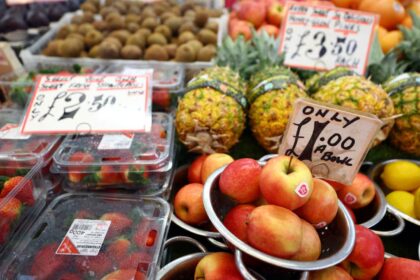
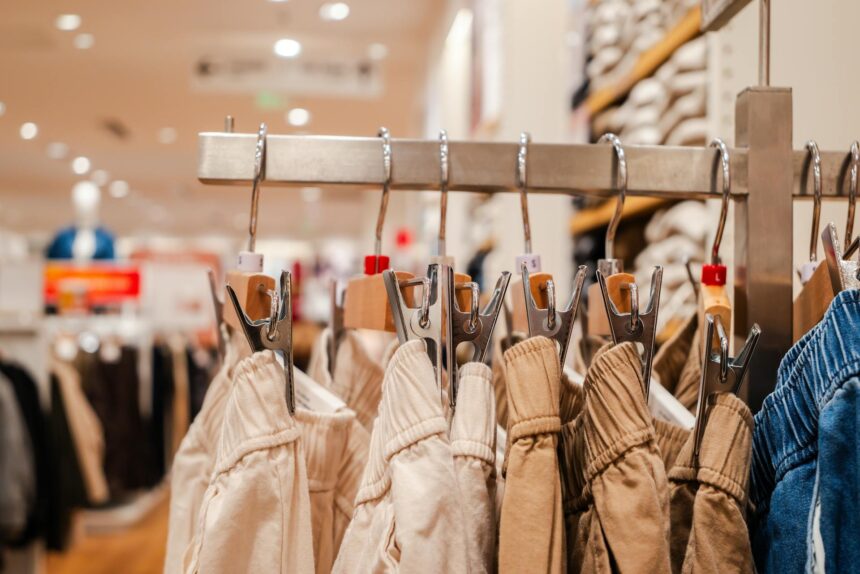
When comparing January 2026 to December 2025, clothing and footwear recorded the most significant drop at 12.1 per cent. In contrast, food and non-alcoholic beverages rose by 3.5 per cent during the same period. Transport prices fell by 1.33 per cent, and information and communication decreased by 1.67 per cent, alongside a slight drop in furnishings and household equipment.
Sector-Specific Changes
Looking at the annual changes in prices, agricultural goods experienced the most substantial increase, climbing by 8.2 per cent. Services also saw a notable rise of 3.27 per cent. In contrast, electricity and water costs fell by 6.5 per cent, and petroleum products dropped by 6.1 per cent. Industrial goods, excluding petroleum products, also reflected a slight decline.
Factors Influencing Inflation
Food and non-alcoholic beverages, along with restaurants and accommodation services, drove the inflation increase compared to January 2025. Conversely, clothing and footwear, as well as transport, exerted the most considerable downward pressure on the index.
Detailed Contributions
Among individual items, catering services provided the largest positive contribution to inflation on an annual basis, while petroleum products had the most significant negative impact. Monthly fluctuations showed that fresh vegetables contributed to the increase, whereas clothing items recorded the largest negative impact.