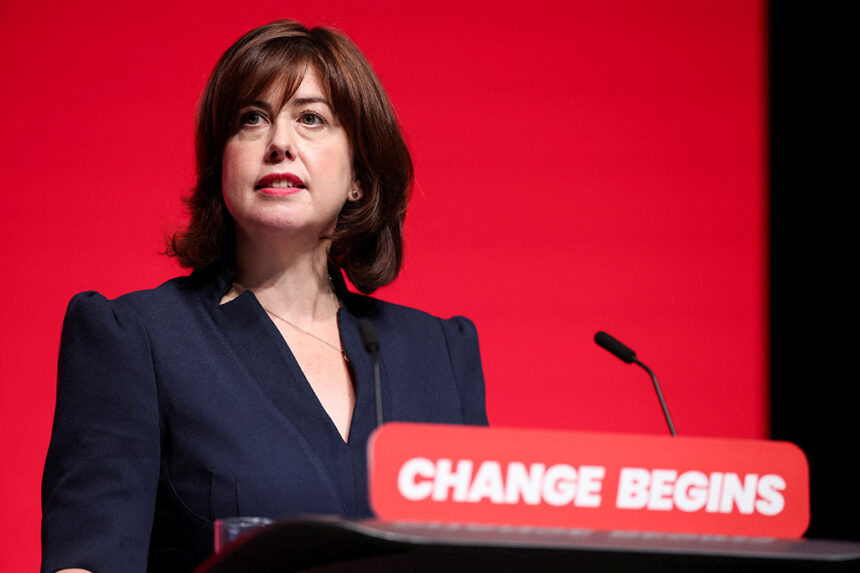
lucy powell — Lucy Powell has emerged as the new deputy leader of the Labour Party, marking a pivotal moment for the party as it seeks to reinforce its left-wing values. In a closely contested election, Powell succeeded in securing the position against education minister Bridget Phillipson, winning by a narrow 54-46 margin. This election comes on the heels of a low turnout of just 17% among party members, which has raised questions about engagement within the party.
Powell’s victory is particularly significant given her recent dismissal by Prime Minister Keir Starmer from her ministerial role, where she oversaw the government’s legislative agenda. Her sacking was part of a ministerial reshuffle that followed the resignation of Angela Rayner, who stepped down after breaching ministerial rules related to tax payments on her property purchase.
Lucy powell: Calls for a Shift in Party Strategy
In her victory speech, Powell urged Starmer to steer away from courting voters attracted to right-wing immigration policies. She asserted that the path to success lies in fostering a broad progressive consensus rather than attempting to outbid the opposition on reformist agendas. “We won’t win by trying to out-Reform Reform,” Powell declared, stressing the importance of returning to the party’s roots of addressing inequality.
Recent Electoral Setbacks
This call for a more left-leaning approach comes at a time when the Labour Party is facing challenges on multiple fronts. Just days before Powell’s election, Labour experienced a significant setback in Wales, losing a seat to the left-leaning Plaid Cymru party. The party’s performance was further undermined as it was pushed into third place by Nigel Farage’s Reform UK party, which has gained traction with its hardline stance on immigration.
Reflections on Leadership Dynamics
Powell’s ascent to deputy leadership raises questions about the current leadership dynamics within the Labour Party. Unlike her predecessor Rayner, who held the dual role of deputy prime minister, Powell will not take on such responsibilities, as Starmer has appointed justice minister David Lammy for that position. However, Powell has emphasised her intention to be a strong independent voice within the party, especially during a challenging period marked by declining popularity.
Engaging the Party Base
During her campaign, Powell highlighted the need for a cultural shift in Labour’s leadership to better engage with both party members and lawmakers. She criticized the existing “command and control” approach and called for a more inclusive strategy that resonates with the party’s supporters. This sentiment reflects a growing desire among party members for a leadership that listens and adapts to their concerns.
Starmer’s Response and Future Direction
Starmer responded positively to Powell’s election, lauding her as “a proud defender of Labour values.” He acknowledged the urgency for the party to demonstrate visible improvements to voters, particularly in light of recent electoral defeats. The leadership transition, coupled with Powell’s commitment to left-wing principles, sets the stage for what could be a transformative phase for Labour as it navigates the challenges ahead.
The upcoming months will be crucial for the Labour Party as it seeks to redefine its identity and regain the trust of its base. The implications of Powell’s leadership and the party’s strategic direction will undoubtedly be closely watched by both supporters and critics alike.