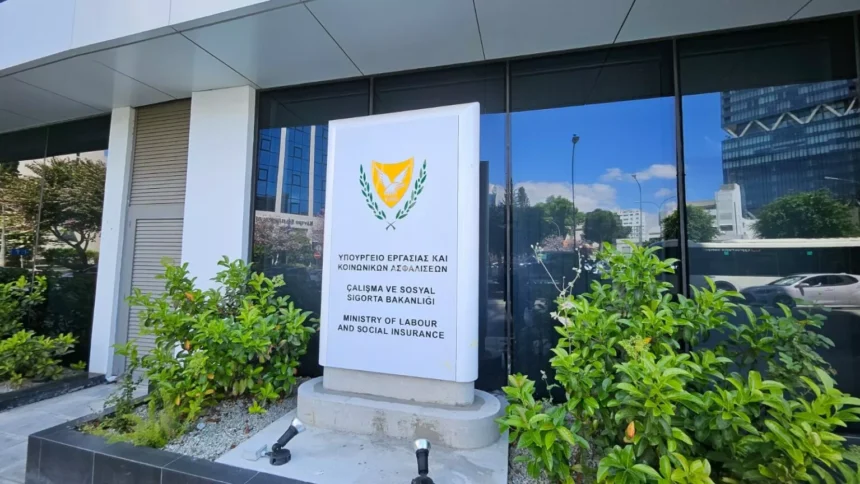
The recent meeting of the Labour Advisory Body highlighted key issues surrounding pension reform and minimum wage disputes among social partners. The government’s approach to pension reform appears to favour a piecemeal strategy to ensure timely execution, while discussions on minimum wage adequacy have sparked significant disagreement.
Pension Reform: A Step-by-Step Approach
During the meeting, the Minister of Labour, Marinos Mousiouttas, confirmed that the government intends to implement pension reform in phases. This will begin with changes to the First Pillar, which covers the Statutory Social Insurance System, followed by adjustments to the Second Pillar, comprising Provident Funds. The phased approach aims to streamline the reform process.
Union Concerns Over Fragmentation
While the employers’ representatives expressed no major objections to the government’s plan, unions are advocating for a more unified reform. They argue that simultaneous changes to both pillars would facilitate smoother implementation, particularly concerning adjustments like the 12% penalty. Minister Mousiouttas noted that actuaries provided updates on reform progress and that discussions will continue to reach a consensus among all partners. The objective is to complete discussions and secure parliamentary approval by 2026, with implementation slated for 2027.
Minimum Wage: Stalemate Continues
The discussions surrounding the minimum wage were particularly contentious. Following the Labour Ministry’s explanation of the parameters leading to the government’s decision, it became clear that fundamental disagreements remain between employers and unions. The unions believe the recommended minimum wage ceiling of €1,115 could have been higher, prompting their insistence on a meeting with the President of the Republic.
Employers Stand Firm on 2028 Timeline
Employers, however, maintain that the minimum wage issue is settled until the next scheduled revision in 2028. They view the unions’ request for presidential intervention as inappropriate and have stated unequivocally that they will not accept any changes to the current decree before this date. This impasse underscores the deep divisions between the two sides.
Immediate Steps for Minimum Wage Discussions
Labour Minister Mousiouttas revealed that discussions regarding the hourly yield of the minimum wage will commence immediately in 2026, as per the Council of Ministers’ directive. He emphasised the importance of defining a procedure for assessing the minimum wage’s impact on economic development and establishing connections with hourly yield metrics.
Legislative Progress on Minimum Wage Adequacy
Regarding the bill on minimum wage adequacy, Minister Mousiouttas stated that the discussion will continue swiftly within the relevant Committee. This comes in light of a recent European Court of Justice decision related to Denmark and new data that has emerged. The aim is to prepare the bill for submission to Parliament in the near future.
Future of Pension Reforms
The President of the Republic has weighed in on the pension reform discussions, emphasising that the upcoming reforms are crucial for enhancing the quality of life for the elderly. He stated, “We are moving forward with pension reform with one and only goal: to substantially reinforce pensions, especially those of low-income pensioners, because someone cannot cope with a pension of €500 or €510.”
Timeline for Submission and Approval
The President expressed hope that the reform could be presented for parliamentary approval before the upcoming elections or immediately thereafter. This timeline reflects the urgency surrounding the need for pension reforms, particularly in light of the challenges faced by low-income pensioners.
The Labour Advisory Body’s meeting, while productive in certain areas, has underscored the significant divides that remain, particularly over minimum wage issues. As discussions proceed, the outcome will be closely monitored by all stakeholders involved.