Kyriazis Medical Museum offers an engaging brain exercise that challenges traditional perceptions of museums. Dr Marios Kyriazis, a physician and gerontologist, has created a space where medicine, memory, art, and philosophy intersect, prompting visitors to think critically rather than passively observe.
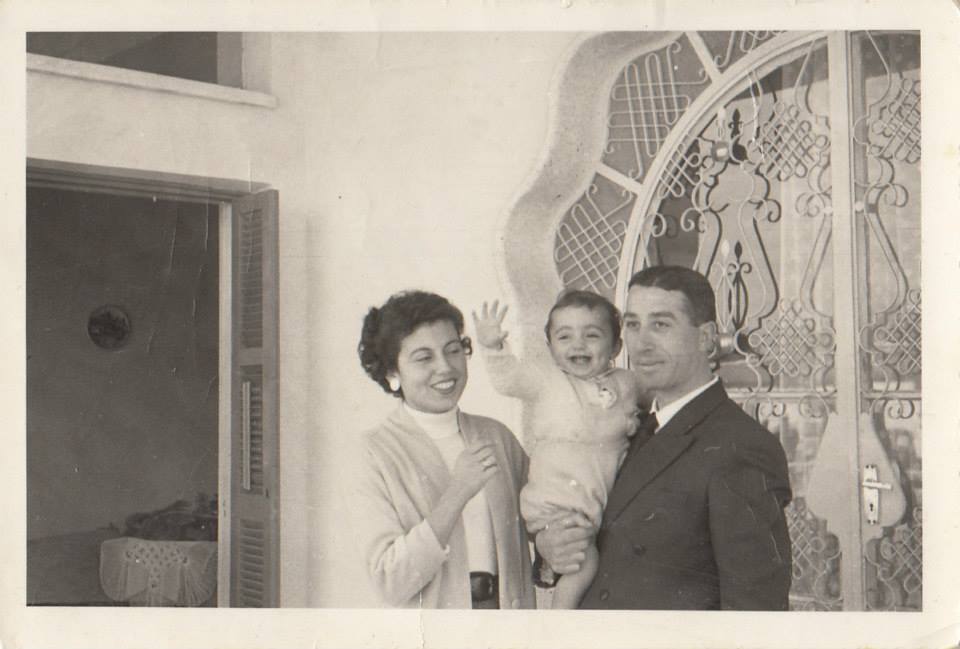
Photo: cyprus-mail.com
A Personal Legacy
The museum’s origins are deeply personal for Dr Kyriazis, who inherited a remarkable collection of medical instruments, books, and equipment from his family. His grandfather and great-grandfather were both doctors, and his father was a pharmacist. Faced with the challenge of preserving these artefacts without a suitable space, Kyriazis transformed an abandoned building in the heart of Larnaca into a vibrant museum. This effort not only safeguards his family’s legacy but also enriches the community by offering a stimulating environment for exploration and learning.
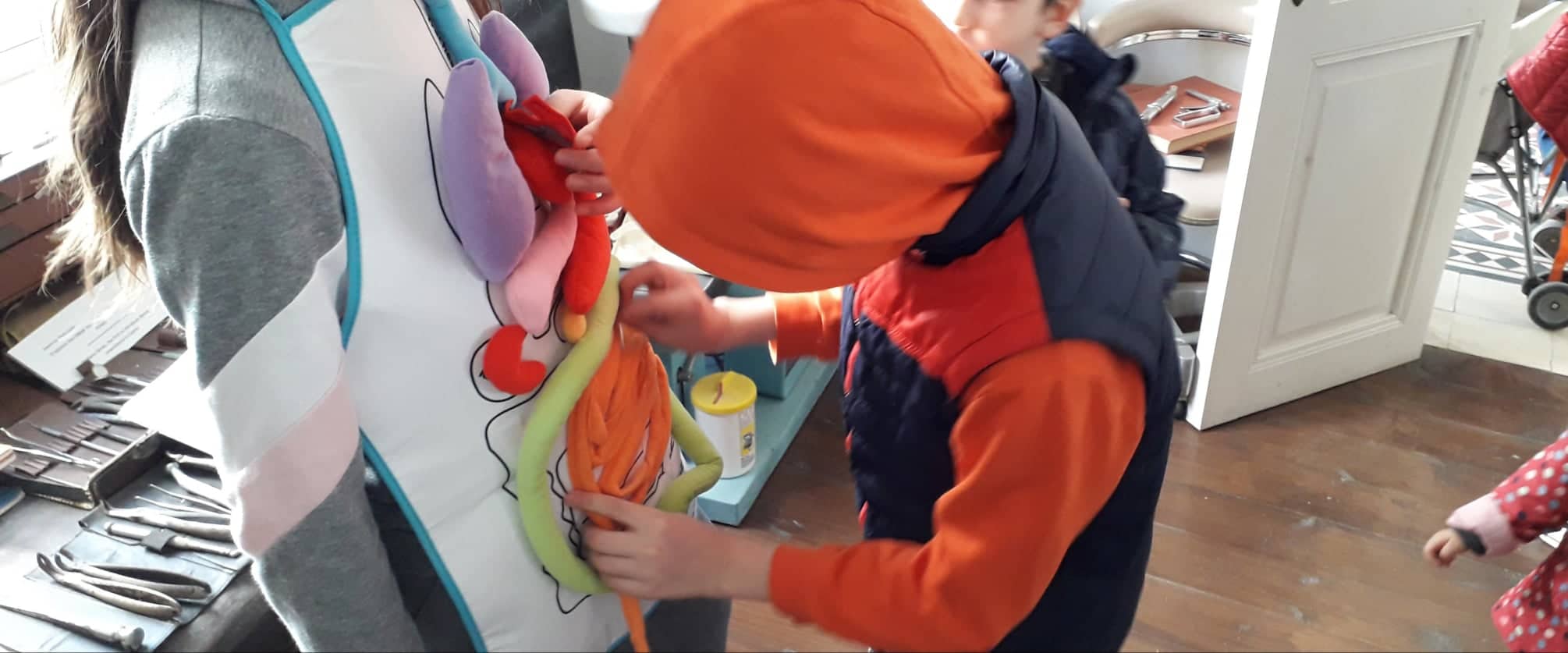
Photo: cyprus-mail.com
Growth Through Community Contributions
The museum’s collection has expanded over time, thanks to various contributions from local doctors and pharmacists. Kyriazis has salvaged abandoned pharmaceutical furniture, bottles, and prescriptions, meticulously restoring them to their former glory. The museum also showcases medical art, bridging the gap between scientific inquiry and creative expression, and inviting visitors to consider the connections between the two.
Engaging the Senses
What sets the Kyriazis Medical Museum apart from traditional institutions is its unconventional approach to visitor engagement. Unlike standard museums with structured tours and set narratives, this museum encourages visitors to explore at their own pace. The layout reflects the intricate workings of the human brain—packed with information and interconnected ideas. The more one interacts with the exhibits, the more insights emerge.
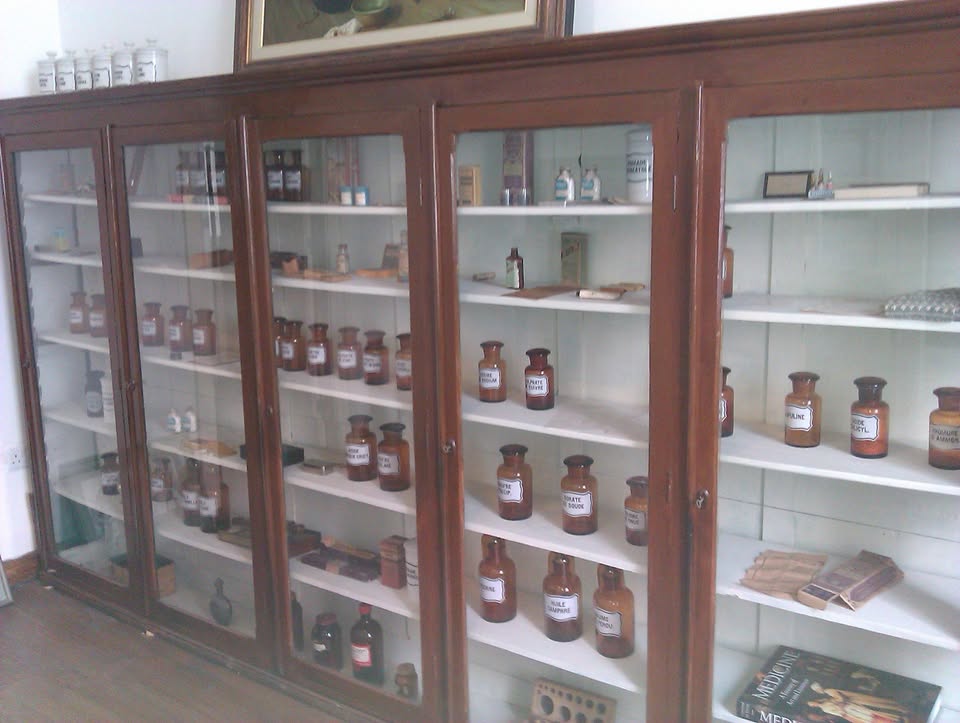
Photo: cyprus-mail.com
Visitors are invited to open cabinets and handle instruments, moving beyond mere observation to experience the exhibits through touch and even smell. This tactile approach transforms medical history into something visceral, fostering a deeper understanding of the subject matter.
Celebrating Medical Art
The museum also actively promotes medical art. Blackboards are available for visitors to express their creativity, resulting in a unique tapestry of artistic contributions. As Dr Kyriazis notes, this collective art creation juxtaposes intricate drawings of human organs crafted by established artists with simple sketches made by young visitors. This blend of high art and youthful spontaneity reflects the complex, multifaceted nature of the human experience.
Historical Connections
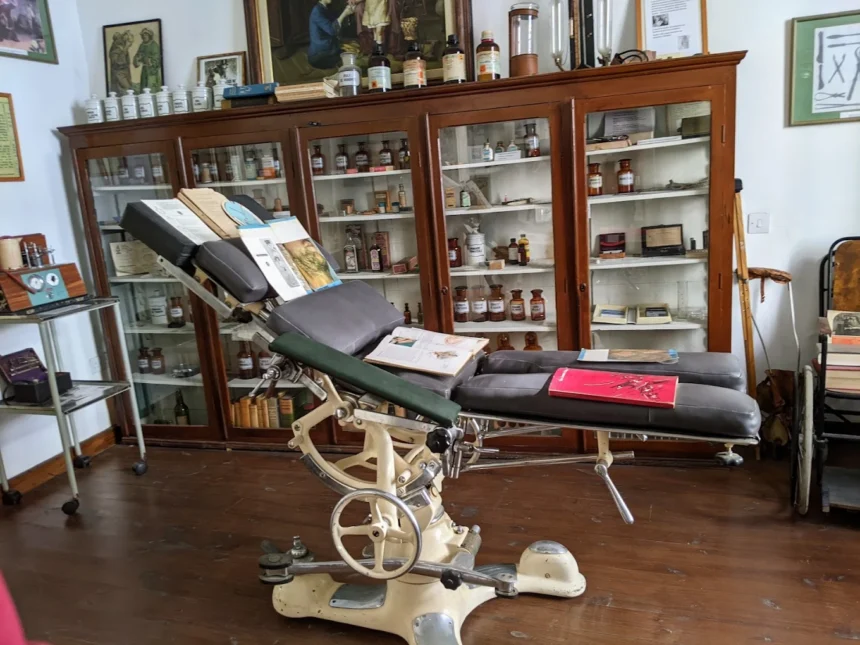
Among the museum’s most captivating exhibits is a gynecological and surgical table once used by Dr Annivas Francis, a pioneering gynecologist and former mayor of Larnaca. This table symbolises a time when medical care was deeply intertwined with everyday life, as many residents were born on it between the 1930s and 1990s. In an era when childbirth and surgery often occurred in homes or small clinics, this artefact serves as a poignant reminder of the past.
Exploring Traditional Healing Practices
Another intriguing section of the museum delves into the treatment of illness in everyday Cypriot life. The display encompasses folk medicine, faith healing, and informal healing practices prevalent when trained physicians were few and often consulted only as a last resort. Through poems, curses, prayers, and traditional medical terminology, the museum reveals a world shaped by fear of disease and limited treatment options.
Dr Kyriazis draws from his grandfather’s writings to illustrate the deep-rooted nature of these beliefs. In one account from 1930, his grandfather recounts being called to treat a child with a fever, only to be blamed by the child’s father, a priest, who believed that the doctor’s presence had allowed the devil to enter the child. This anecdote highlights the resistance to scientific medicine, even from those in positions of authority.
Preserving Cultural Heritage
The museum houses a collection of old Cypriot folk poems and curses that carry medical significance. Dr Kyriazis has also compiled a dictionary of Cypriot medical terms still in use today, often without the public knowing their origins. Phrases like ‘faousa’ (shut up) and ‘Zilikourtin’ (shut up) are examples of how language can reflect a historical fear of illness, linking past generations to modern Cypriots.
A Space for All
Despite operating without financial or institutional support, the Kyriazis Medical Museum has gained popularity among a diverse audience, including medical students and individuals with dementia, autism, and learning difficulties. Its unique approach has earned it top rankings on Tripadvisor, reflecting its growing recognition as a valuable cultural institution in Cyprus.
Dr Kyriazis remains committed to fostering a living space that shapes minds, challenges preconceived notions, and redefines the concept of a medical museum. As the museum continues to evolve, it serves as a testament to the power of curiosity and the importance of engaging with our collective history.
Visit the Kyriazis Medical Museum
For those interested in exploring this remarkable space, the Kyriazis Medical Museum is located at 35 Karaoli & Demetriou Street, Larnaca. The museum is open on Wednesdays and Saturdays from 9am to 12.30pm, or by appointment. For more information, visit the official website.