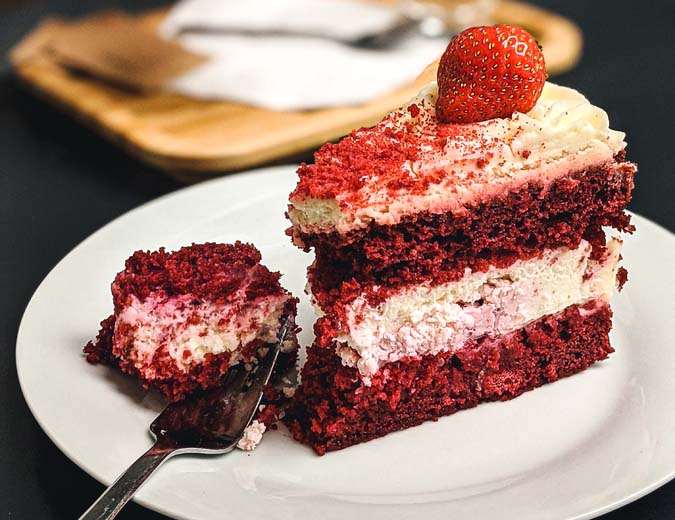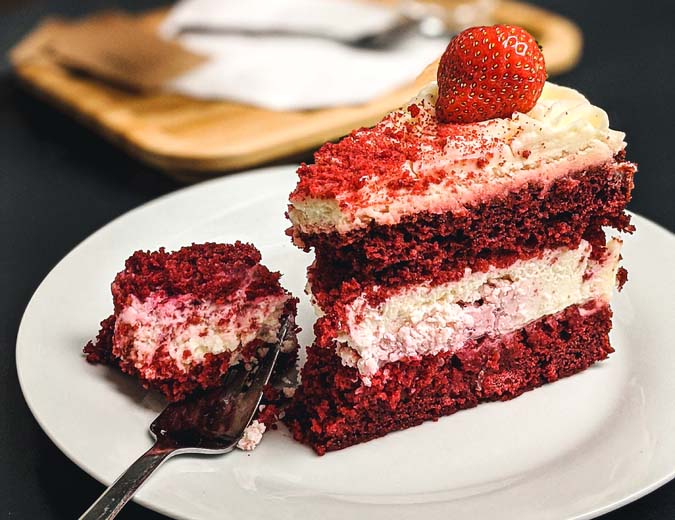
Red velvet cake has captivated dessert lovers with its striking colour and rich flavour profile. This iconic cake blends nostalgia with a sense of culinary mystery, leading many to wonder about its origins and the secrets behind its vibrant hue.
The Early Days of Velvet Cakes
The story of red velvet cake begins in the 19th century, rooted in the innovations of bakers who stumbled upon a delightful revelation: cocoa powder can soften the proteins in flour, creating a cake with a unique ‘velvet’ texture. These early velvet cakes distinguished themselves from the more familiar sponges and pound cakes, presenting a light, moist, and tender alternative.
Initially, the addition of cocoa was subtle, focused more on enhancing texture than imparting flavour. This resulted in cakes that often developed a reddish tint, attributed to a chemical reaction between natural cocoa and acidic components such as vinegar or buttermilk. Thus, red velvet cake emerged not as an ostentatious confection but as a quiet evolution in baking techniques.
The Transformation of Red Velvet
As the world moved into the 20th century, the cake began to take on a bolder identity. During the Great Depression, a food colouring company known as Adams Extract played a pivotal role in popularising the eye-catching red version we are familiar with today. By marketing their dyes and flavourings alongside this cake, they helped it gain a foothold in American kitchens, particularly in the South.
Red velvet cake quickly became a beloved staple at family gatherings and church socials, embodying Southern hospitality and a sense of post-war optimism. Over time, it evolved into a symbol of vintage Americana, cherished for both its taste and its cultural significance.
Modern Interpretations and Techniques
While the fundamentals of red velvet cake have remained consistent, modern bakers have adapted the recipe to suit contemporary tastes. The original technique that relied on the natural acidic reaction for the mild red hue has largely been replaced with the use of red food dye, ensuring the cake’s signature colour is vivid and reliable.
In the mid-20th century, cream cheese frosting became the go-to topping for red velvet cake, supplanting earlier varieties like ermine icing, which was made from a cooked mixture of flour, milk, butter, and sugar. Today, cream cheese frosting is widely regarded as an essential component, perfectly complementing the cake’s richness.
Today’s bakers have embraced creativity, experimenting with natural colourants such as beetroot and adding ingredients like espresso to deepen the cocoa flavour. Others have begun to incorporate unexpected elements, including fruity infusions like raspberry or floral notes from orange blossom, showcasing the versatility of this classic cake.
Red Velvet’s Global Appeal
Though deeply rooted in American baking traditions, red velvet cake has transcended borders and found a fanbase around the world. In Cyprus, for example, it has become a popular offering in patisseries, particularly around Valentine’s Day and festive occasions. Its dramatic appearance and flavour profile resonate with local palates, adding a touch of celebration to any gathering.
As red velvet cake continues to evolve, its rich history and cultural significance endure, inviting bakers and dessert lovers to explore its depths. Whether enjoyed in a cosy Southern kitchen or a trendy café in Cyprus, the allure of red velvet cake remains timeless, a testament to the power of culinary tradition and innovation.