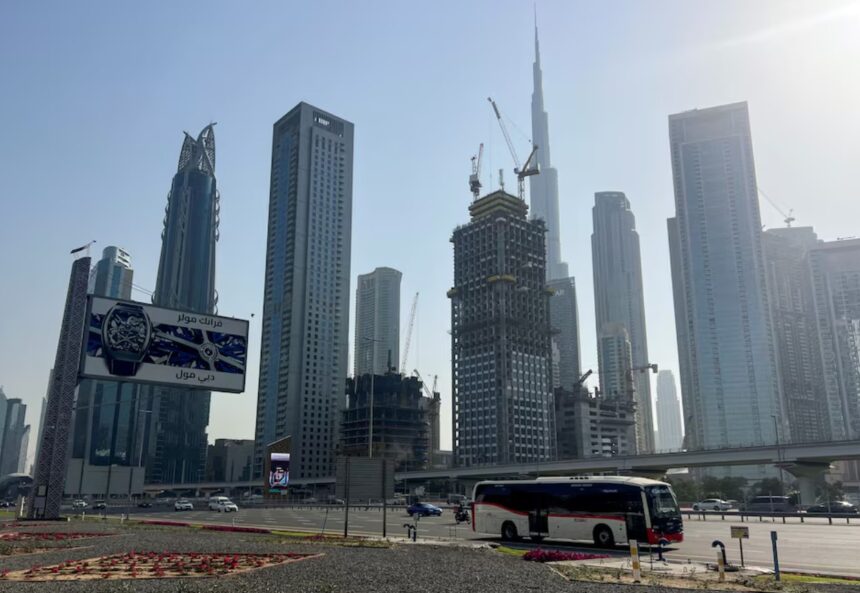
iranian attacks — The recent Iranian attacks on Dubai have rattled investors and raised serious concerns about the city’s status as a safe haven for wealth. Following the missile and drone strikes, two Indian entrepreneurs in Dubai attempted to transfer over $100,000 each from their local bank accounts to Singapore as a precautionary measure. However, they encountered technological glitches that initially hindered their plans.
One entrepreneur eventually succeeded in moving his funds to a Singaporean bank via a different Emirates-based bank. Their experience mirrors a growing trend among wealthy individuals in Dubai seeking to relocate their assets in light of geopolitical tensions.
Industry advisers and lawyers report a surge in inquiries from affluent Asians looking to move their investments to more stable financial hubs like Singapore and Hong Kong. This shift comes as the ongoing US-Israel conflict with Iran casts a shadow over the Gulf’s reputation for stability.
Dubai has become a preferred destination for wealthy entrepreneurs and families, particularly from China, due to its favourable policies and booming property market. The UAE banking and financial sector boasts total assets of over 5.42 trillion dirhams ($1.48 trillion), according to the central bank. However, the recent attacks have raised doubts about the region’s security.
Ryan Lin, a private wealth lawyer based in Singapore, noted that several of his clients in Dubai are now considering asset transfers. “I have six or seven clients, each with around $50 million in assets, who reached out this week. Three are planning to transfer their assets to Singapore immediately,” Lin shared.
Amidst these developments, Iris Xu from Anderson Global reported that 10 to 20 family offices have contacted her firm about moving assets back to Singapore, driven by fears that the conflict could escalate further. “Dubai was always about tax benefits, but I think that may not be their top priority anymore,” Xu remarked.
A wealth management adviser in Singapore, who preferred to remain anonymous, has also noticed a significant uptick in clients expressing interest in relocating their wealth. “So far, I’ve spoken to 13 UAE-based clients, with over half seriously considering moving their assets to Singapore. Confidence is key, and even if the conflict resolves, the logistical challenges of travelling back and forth will remain,” the adviser noted.
Interestingly, not all wealth managers view the situation as an immediate cause for capital flight. Dhruba Jyoti Sengupta, CEO of WRISE Private Middle East, indicated that his firm has not witnessed serious discussions regarding capital flight. Many clients continue to express confidence in the UAE’s long-term stability. “They are sophisticated global investors, already diversified internationally, but deeply invested in the UAE’s growth story,” Sengupta stated.
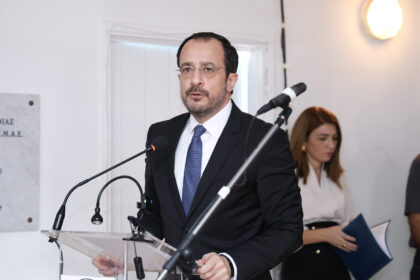
Khaled Mohamed Balama, the central bank governor, reassured stakeholders that the UAE’s banking and financial sector remains solid and resilient. He confirmed that banks and financial institutions are operating normally amidst regional unrest.
While some investors are seeking to relocate, others are opting to maintain their presence in the UAE. Jeremy Lim, co-founder of GrandWay Family Office, is moving forward with his plans to establish a family office in Abu Dhabi, provided that the UAE does not become directly involved in the conflict. “The real deal-breaker for businesses would be if the UAE were to become directly involved in a conflict,” Lim warned.