The ENI-TotalEnergies consortium is expected to make its final investment decision (FID) on the Kronos gas field in June, according to Energy, Commerce and Industry Minister Michalis Damianos. This decision is a pivotal step for the consortium, which has already begun financial commitments towards the development of the field.
Upcoming Agreements and Financial Commitments
Minister Damianos has indicated that agreements for the Kronos project, which received Cabinet approval in May, are likely to be signed within this month. The consortium’s early payments signal a strong commitment to advancing the project. Damianos stated, “The agreements will be signed within June because ENI is expected to proceed with the FID within this period.”
Context of the Kronos Gas Field
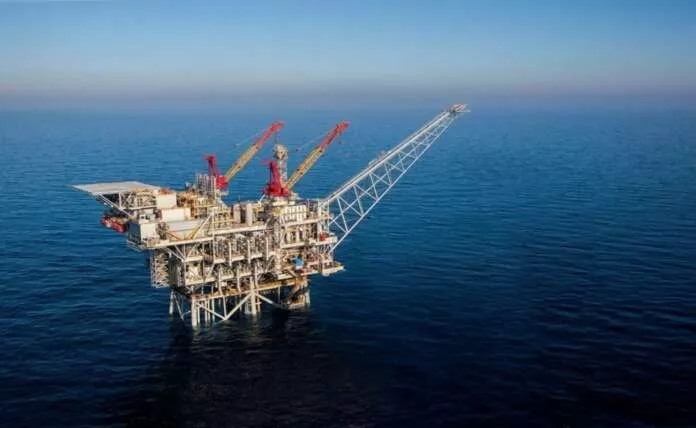
The Kronos gas field, located off the coast of Cyprus, is part of the Eastern Mediterranean’s rich hydrocarbon reserves. The field’s development is seen as crucial not only for energy supply but also for the broader geopolitical landscape in the region.
Related Developments in the Aphrodite Gas Field
In addition to the Kronos developments, Minister Damianos provided updates regarding the Aphrodite gas field. He noted that preliminary agreements for gas sales have been signed, with final agreements anticipated in the coming months. This field is also significant; however, the first gas production is not expected until 2030-2031.
Upcoming Deadlines and Strategic Partnerships
Damianos highlighted that Chevron has a deadline for the Front-End Engineering Design (FEED) that will expire in January 2027. This timeline adds urgency to the negotiations and agreements surrounding the Aphrodite project, as stakeholders seek to establish a robust framework for gas sales.
Geopolitical Implications and International Meetings
Looking ahead, Minister Damianos will travel to Washington next week to engage in discussions with representatives from Greece and Israel regarding Eastern Mediterranean energy issues. This meeting is framed within the 3+1 format, which includes the United States. The US has vested commercial interests in the region, particularly through companies like Chevron and ExxonMobil.
US Involvement in Regional Energy Development
The US is reportedly backing the Great Sea Interconnector (GSI) project, which aims to connect Israel’s electricity grid to Europe via Cyprus. The involvement of American companies is not just a matter of business; it also holds significant geopolitical implications, as the regional energy landscape continues to evolve.
Ongoing Negotiations Over the Ishai Gas Field
Minister Damianos also addressed the ongoing negotiations concerning the Ishai gas field. The Cyprus News Agency reported that discussions are progressing, with the latest contact occurring last week. Sources indicate that the two sides are nearing a commercial agreement, although no major breakthroughs are expected in the immediate future.
Long-Term Perspectives on Gas Production
Despite the progress in negotiations, neither party appears willing to make concessions under time pressure, particularly as initial gas production from Aphrodite is still several years away. The timeline for gas extraction underscores the complexity of regional energy agreements, where strategic patience may be required.
Prospective Collaborations with ExxonMobil
In addition to the ongoing discussions surrounding Kronos and Aphrodite, advanced consultations are underway with ExxonMobil. President Nikos Christodoulides has previously announced that more information would be forthcoming soon in collaboration with Exxon. Reports suggest that the company has expressed interest in Block 4, with expectations of developments in September.
Future Outlook for Energy Projects
As the ENI-TotalEnergies consortium moves towards its final investment decision, the broader implications for regional energy security and economic development remain significant. The interplay of international interests, local agreements, and geopolitical considerations will likely shape the future of energy exploration and production in the Eastern Mediterranean.