famagusta tourism — famagusta tourism — Famagusta’s tourism sector is currently navigating turbulent waters as fears mount over potential flight cuts to Cyprus. With surging fuel costs and escalating geopolitical tensions, the region’s hospitality industry faces a precarious future.
Famagusta tourism: Current Struggles
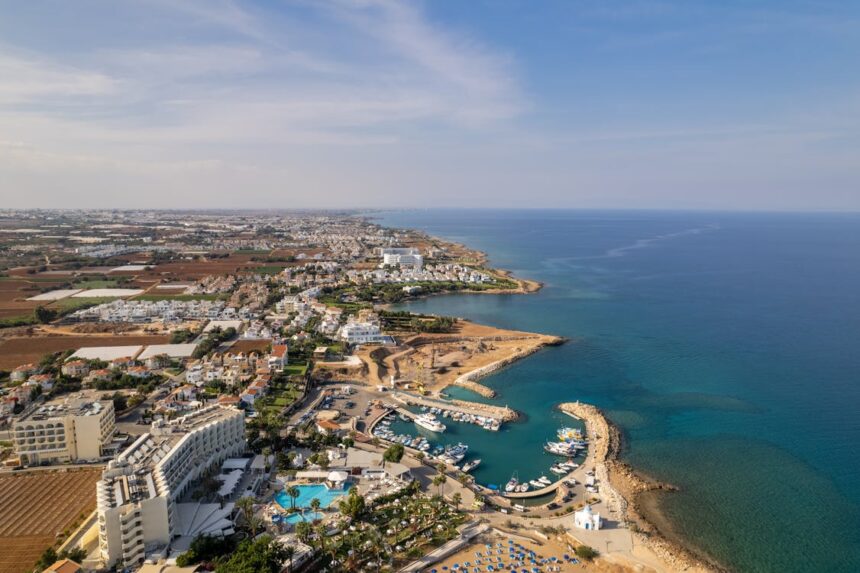
Tourism stakeholders are voicing urgent concerns. Although cancellations have not yet caused widespread disruption, the early signs are troubling. A local representative from the Famagusta hospitality venues association, Petros Assias, noted that business turnover in popular resorts like Ayia Napa and Protaras has already dipped significantly compared to previous years.
Visitor Trends
Weekends see a modest influx of domestic visitors, but weekdays are particularly challenging, as establishments largely depend on foreign tourists, particularly from the United Kingdom and Poland. However, even those numbers are dwindling. Assias emphasised that if the current climate persists, local businesses may face a grim summer.
Economic Impacts
The financial repercussions are stark. Revenues for April and early May have plummeted by 30 to 35 per cent compared to last year. Some businesses report even steeper declines, depending on their specific location. The hospitality sector is bracing for a difficult tourist season, with expectations that the ongoing conflict in the Middle East could further weaken demand.
Flight Concerns
Assias pointed out that the risk of airlines reducing flights to Cyprus is increasing, driven by both rising fuel prices and a dip in travelling demand. He explained that flying to Cyprus from many European countries is becoming less attractive due to the cost of fuel compared to other destinations like Spain.
Hotel Industry Woes
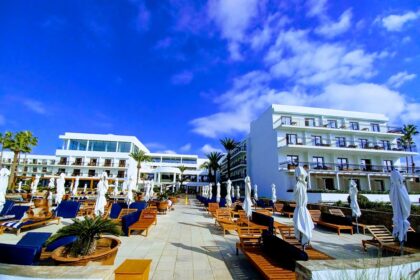
The hotel sector is not faring any better. Panayiotis Constantinou, president of the local hotelier association, painted a bleak picture for May, with occupancy rates expected to hover between 45 and 55 per cent, a significant drop from the 80 to 90 per cent occupancy rates seen in May 2025. Bookings for June are similarly lacklustre, currently around 45 to 50 per cent of total capacity.
Ongoing Challenges
April was particularly harsh for tourism, described by Constantinou as catastrophic. As the summer season approaches, the uncertainty surrounding the Middle East conflict adds to the anxiety. The fear is that without a resolution, the situation won’t improve, and the repercussions for the tourism sector could be dire.
Local Attractions Feeling the Pressure
The decline in visitors also has tangible effects on local attractions. In Ayia Napa, sunbed rentals have dropped by 35 per cent compared to last year. The beaches manager, Dimitris Pateras, noted that while some decline can be attributed to recent adverse weather conditions, the broader context of geopolitical tensions cannot be ignored. Revenues from beach amenities like umbrellas and sunbeds have decreased by 65 to 70 per cent.
Future Outlook
Despite the current hurdles, there is a glimmer of hope that conditions may improve. Pateras expressed cautious optimism for June, hoping that the summer season will pick up as the situation develops. However, stakeholders remain acutely aware of the precarious nature of the tourism landscape, with many holding their breath for a turn in fortunes.