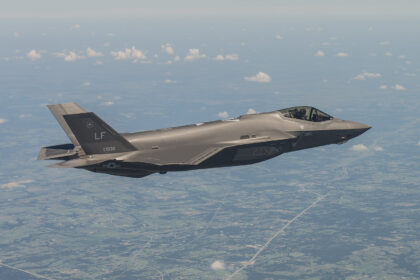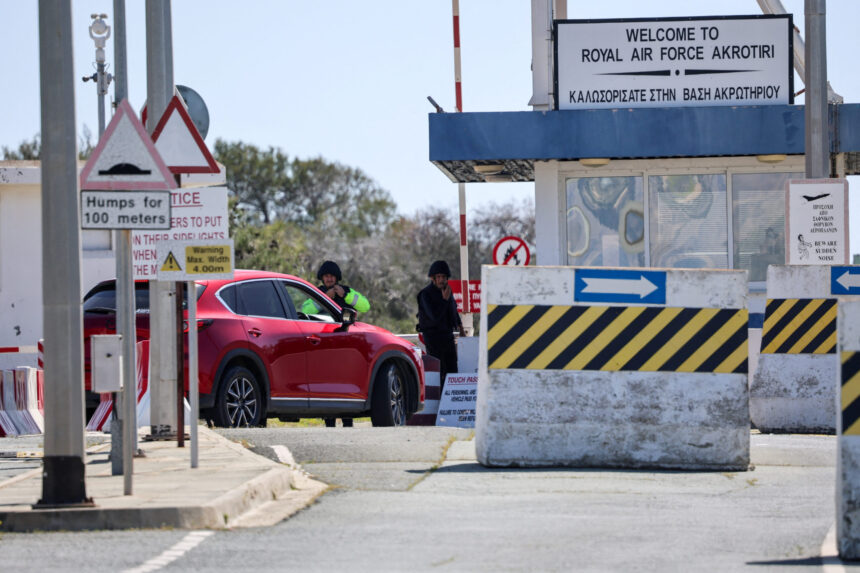
Claims regarding the storage of nuclear weapons at RAF Akrotiri have been thoroughly examined, revealing no supporting evidence according to Fact Check Cyprus. The analysis highlights discrepancies in satellite imagery, Nato security requirements, and the current British defence policy, all contradicting the allegations.
The initial claim, made by journalist Andreas Paraschos, suggested that 56 nuclear weapons were stored at the base. However, Paraschos noted that his report was removed from the Offsite website due to a lack of documentation. Citing journalistic confidentiality, he refrained from disclosing his sources yet maintained that his professional experience lent credibility to his assertions.
Fact Check Cyprus remarked that the figure of 56 appears to be an “anachronistic reference” to historical infrastructure established during the Cold War, rather than evidence of a nuclear arsenal in the present day. Archive material from April 1960 confirms that Akrotiri was designed to support Britain’s nuclear-capable V-Bomber fleet, the country’s primary strategic strike force at the time. While runways and hangars were built for aircraft capable of carrying nuclear weapons, the organisation emphasised that the existence of such infrastructure does not necessarily indicate the presence of nuclear warheads.
The analysis pointed out that nuclear storage necessitates specialised personnel, strict security protocols, and dedicated vault systems, all of which are absent at Akrotiri today. The UK ceased deploying air-delivered nuclear weapons in 1998, with the last being the WE.177 nuclear bomb. Currently, the UK’s nuclear deterrent relies solely on the submarine-launched Trident missile system.
Fact Check Cyprus further clarified that the RAF is no longer operationally certified to deploy nuclear warheads. Additionally, they stated that American nuclear weapons in Europe are confined to six bases across five Nato countries: Belgium, Italy, Germany, the Netherlands, and Turkey. These bases ensure a high level of security, with nuclear bombs stored in underground vaults equipped with advanced security measures.
In a comparison, Fact Check Cyprus noted that Incirlik Air Base in Turkey, recognised as a primary US nuclear storage location in the region, holds about 50 B61 bombs within around 25 specialised underground vaults. Satellite imagery illustrates these vaults, characterised by distinctive double security perimeters.
According to Fact Check Cyprus, it is implausible for Akrotiri to host a greater number of nuclear weapons than the central Nato base in the region while lacking the requisite storage and security infrastructure. They reiterated that while Akrotiri maintains Cold War-era facilities, modern analysis and current defence doctrine do not substantiate claims of an existing nuclear arsenal.
The British government has previously assured that there are no nuclear weapons on British bases in Cyprus. A defence ministry spokesperson stated in January 2000 that aircraft utilising the bases did not carry nuclear arms. Historical documents suggest that aircraft stationed at Akrotiri had indeed carried nuclear bombs in 1969. Former Cypriot president Glafcos Clerides acknowledged that there were indications of nuclear weapons being stored at the bases in the past, although he confirmed that the Cypriot government had not been formally informed of such matters.
Clerides did affirm that the situation had evolved, stating, “things have changed.” Fact Check Cyprus concluded that while Akrotiri may feature the historical infrastructure associated with Britain’s former nuclear air strategy, credible evidence fails to indicate that nuclear weapons are currently stored at the base.