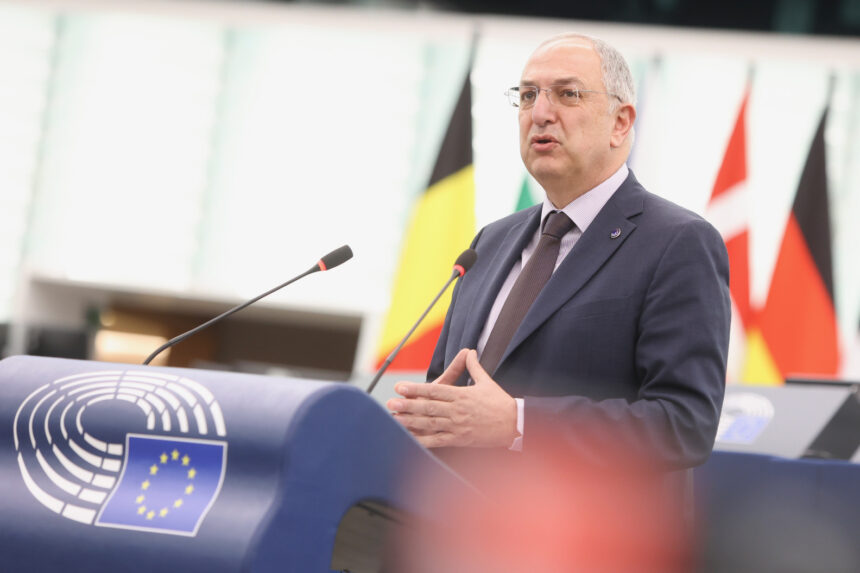
Cyprus can act as a facilitator to strengthen ties between the European Union and the United Kingdom, according to European Fisheries Commissioner Costas Kadis. During an interview with the Cyprus Mail, Kadis emphasised the longstanding bilateral relationship between Cyprus and the UK, which has flourished in recent years.
- "I am convinced that trust is the foundation on which further cooperation, in fisheries and beyond, can be built," he concluded, expressing optimism for the future of EU-UK relations.
“Cyprus can use its good understanding of the UK to act as a facilitator in all areas of dialogue with the UK,” he stated, expressing hope that this could advance discussions on various topics, particularly fisheries.
Last year, an agreement was signed between the EU and the UK that permits fishermen from both parties to access each other’s waters until the end of June 2038. Kadis highlighted the importance of fisheries in the relationship, stating, “Fisheries has always been at the core of our relationship with the United Kingdom.” He noted that discussions were approached with the aim of delivering stability for fishers and coastal communities.
Unity among the EU’s 27 member states is crucial, Kadis insisted. This common front sends a strong signal to the UK that reciprocal access to fishing waters is not merely a technical request, but a strategic priority for the entire European Union. By maintaining this united stance, the EU secured a balanced outcome that allows for full reciprocal access, effectively eliminating a potential source of tension.
Kadis explained that this reciprocal access ensures stability and predictability for fishing fleets, safeguarding the livelihoods of coastal regions dependent on the sea. It also allows future negotiations to focus on sustainable quotas, technical measures, and responsible fisheries management.
While Cyprus is geographically distant from the main fishing areas impacted by this agreement, Kadis affirmed that Cypriots would still benefit from the stability provided. “A stable fisheries relationship with the UK strengthens the overall functioning of the single market and contributes to the union’s food security,” he said. He pointed out that this, in turn, benefits every European consumer by avoiding disruptions and volatility that could affect prices and supply chains.
Addressing the question of whether the fishing agreement might lead to deeper ties between the EU and the UK, Kadis remarked that it exemplifies how both parties can collaborate effectively when aligned on shared interests. He referenced the agreement’s signing at the joint EU-UK summit in London last May, which he described as the beginning of a new chapter in their relationship.
Kadis noted that fisheries, which were once a contentious issue, have transformed into a model of pragmatic cooperation. He highlighted that the outcomes of the May summit included the UK’s return to the Erasmus+ education exchange scheme, with an agreement set to take effect next year. This development promises significant opportunities in education, training, sport, and youth sectors for individuals in both the UK and the EU, particularly benefiting the younger generation.
“I am convinced that trust is the foundation on which further cooperation, in fisheries and beyond, can be built,” he concluded, expressing optimism for the future of EU-UK relations.