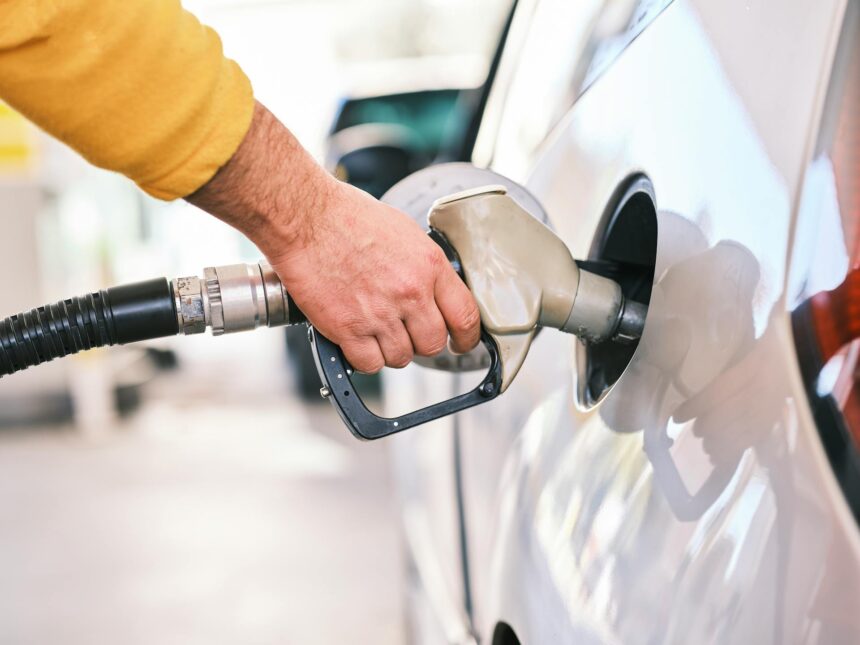
fuel spending — Drivers are reducing fuel spending as petrol prices surge, a trend highlighted by Savvas Prokopiou, head of the association of petrol station owners. The ongoing fallout from the Iran war has significantly impacted fuel prices, prompting many motorists to rethink their refuelling habits.
- Petrol stations receive a fixed amount per litre sold, rather than a percentage of the retail price, which means that even as prices rise, their profits do not increase proportionally.
Fuel spending: Current Trends in Fuel Consumption
According to Prokopiou, only 10 to 15 per cent of drivers are continuing to fill up their tanks fully. The majority are opting to cut back on their petrol expenditures, as they notice that the quantity they can afford diminishes with every visit to the pump. “What we’re seeing in the last few weeks is consumers trying to save on petrol, limiting their transit as far as possible,” he stated in an interview with the Cyprus News Agency.
Petrol and Diesel Prices on the Rise
The average price of diesel across the island now stands at €1.888 per litre, with the highest recorded price reaching €1.978. Meanwhile, the lowest diesel price is currently €1.785. In comparison, Unleaded 95 petrol averages at €1.543, with the prices varying from a low of €1.458 to a high of €1.618.
Global Factors Influencing Local Prices
On Thursday, Brent futures contracts were trading at approximately $108 a barrel. This spike in oil prices is attributed to escalating tensions in the Middle East, particularly surrounding Iran. Reports indicate that US President Donald Trump is being briefed on potential military options concerning Iran, which has contributed to the uncertainty in the oil market.
The Strait of Hormuz, a critical passage for oil shipments, remains largely closed by Iran, while the US Navy enforces a blockade on Iranian vessels. As a result, approximately one-fifth of the world’s oil trade is affected, further exacerbating local petrol prices.
Impact on Petrol Station Owners
Prokopiou noted that rising fuel prices are also affecting petrol station owners. “For businesses, the cost per shipment has gone up considerably. Two months ago, a cargo would cost €40,000; today it’s around €60,000,” he explained. Each petrol station typically requires two shipments to maintain operations, leading to squeezed profit margins.
Petrol stations receive a fixed amount per litre sold, rather than a percentage of the retail price, which means that even as prices rise, their profits do not increase proportionally.
Consumer Protection and Market Monitoring
Constantinos Karagiorgis, head of the Consumer Protection Service at the commerce ministry, described the current fuel situation as “worrying and volatile.” He highlighted the challenges in making safe predictions regarding the future trajectory of fuel prices. However, he reassured the public that his service is actively monitoring the data on imported refined products.
While fuel prices have surged, Karagiorgis noted that they are consistent with global trends. At present, he stated, “there is no reason to intervene [in the market].” He also encouraged drivers to shop around for the best prices, as significant price differences can be found among petrol stations. “Some stations may sell for 15 or 18 cents lower. So for people wanting to save, they can do that,” he added.
Consumer Behaviour Shift
The rising prices have led to a notable shift in consumer behaviour, with many drivers opting to limit their fuel consumption as a cost-saving measure. This trend reflects a broader concern about economic stability and the impact of international events on everyday expenses.
As the situation evolves, it remains to be seen how both motorists and petrol station owners will adjust to the continually fluctuating fuel prices. For now, the focus remains on finding ways to manage the financial implications of rising petrol costs.