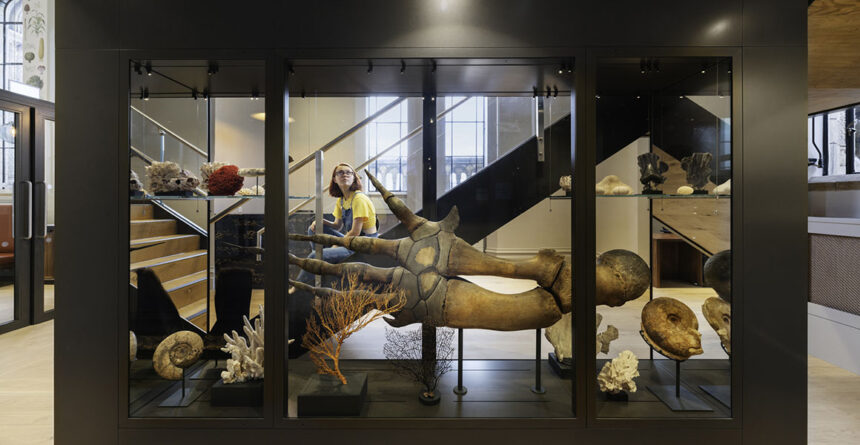
Cyprus is seeking to establish its first natural history museum, a vital step towards protecting and studying the island’s unique natural heritage. On Monday, a group of academics, organisations, and representatives publicly called for the immediate establishment of a modern national museum dedicated to the natural history of Cyprus. This initiative is aimed at collecting, preserving, and protecting the island’s rich biodiversity.
Natural history: A Call for Action
The collective statement highlighted the pressing need for a national natural history museum, noting that Cyprus is the only European country lacking such an institution. Experts believe that the creation of this museum is essential for the conservation of the island’s endemic species and ecosystems.
Importance of Natural Collections
In their statement, the experts underscored the necessity of safeguarding private collections of insects, plants, fossils, and other specimens. They referred to these collections as invaluable components of Cyprus’ natural history that deserve protection and proper curation.
Expert Insights
Biology Professor Spyros Sfendourakis from the University of Cyprus (UCy) pointed out that the absence of a national natural history museum in Cyprus is a significant oversight. He presented proposals and EU funding plans that have been submitted to governmental and local bodies to facilitate the establishment of this much-needed institution.
Proposed Framework for Establishment
To move forward, the experts suggested forming an interdisciplinary committee comprising representatives from relevant ministries, university researchers specialising in biodiversity, and local authorities. This committee would be tasked with overseeing the planning and establishment of the museum.
Additionally, the experts called for a comprehensive study and functional design to ensure the museum’s scientific credibility, competitiveness, and economic viability. This groundwork is crucial for the museum to serve as a beneficial asset to society.
Registering Collections
The proposal also included creating a register of both private and public collections, facilitating their transfer to temporary storage facilities. This initiative aims to ensure that these natural specimens are preserved while plans for the museum are developed.
Funding the Vision
To support the creation of the natural history museum, the experts proposed drafting a strategic funding plan. This plan would include potential funding from the EU’s Thalia 2028-2034 scheme and other European programmes designed to promote ecological and cultural projects.
Support from Academic Institutions
The University of Cyprus has expressed its commitment to the cause, indicating readiness to provide scientific support and expertise for the museum’s future development. This backing from a leading academic institution underscores the importance of the initiative.
Recent Conference Highlights
This collective statement emerged following the second annual scientific conference for biological sciences in Cyprus, held at UCy. This year’s conference focused on the critical role of natural history museums in preserving biodiversity, further highlighting the urgency of establishing such a facility in Cyprus.
Looking Ahead
As calls for action gain momentum, the establishment of Cyprus’ first natural history museum could mark a significant advancement in the island’s efforts to protect its unique ecosystems. The collaboration between experts, government bodies, and local authorities will be essential in turning this vision into reality.