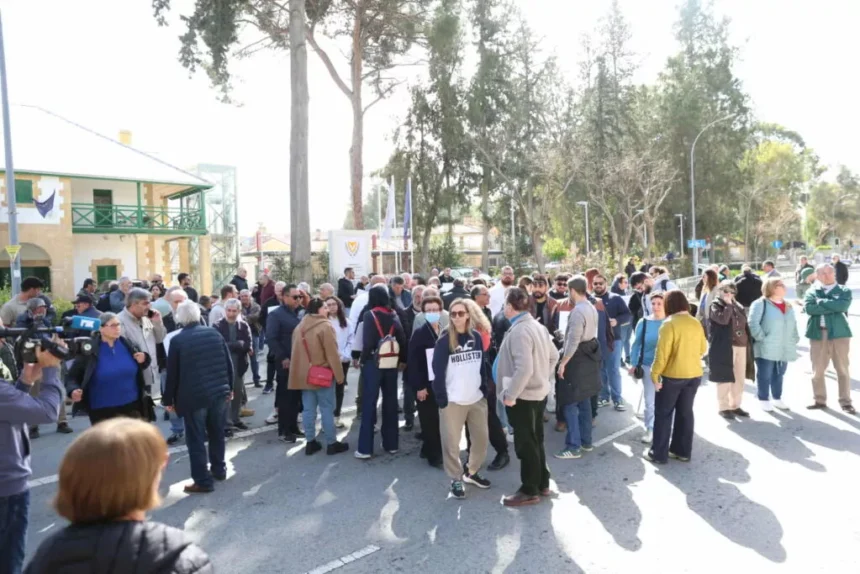
eu mercosur — eu mercosur — Farmers are protesting the EU–Mercosur deal in Nicosia, raising concerns about its implications for local agriculture and food security. On Saturday, a coalition of farmers and civic organisations gathered outside the House of Europe to express their discontent with the European Union’s agreement with Mercosur countries: Brazil, Argentina, Uruguay, and Paraguay. The demonstrators handed a resolution to European Commission President Ursula von der Leyen, urging for an immediate reassessment of the agreement.
Eu mercosur: Concerns Over Food Security and Consumer Safety
The resolution, co-signed by a diverse array of groups, calls for binding protective measures to safeguard the rights of citizens, particularly the most vulnerable. Farmers argue that the deal could severely undermine food security in Europe, as it increases reliance on food imports from these South American countries. They contend that this contradicts the EU’s goal of achieving a self-reliant Europe.
Impact on Local Agriculture
Protesters voiced their concerns that the agreement favours large industrial powers, allowing them to export manufactured goods at the expense of small European family farms. According to the farmers, this would also negatively affect consumers, who may not benefit from the anticipated reduction in tariffs on agricultural products. They assert that intermediaries and supermarkets are likely to absorb any potential savings.
Key Agricultural Exports at Risk
During the protest, farmers highlighted that although certain products with Protected Designation of Origin status are mentioned in the agreement, Cyprus’s key agricultural export—halloumi—has been excluded. This oversight raises alarms about the future of local agricultural identities and economies.
Health and Environmental Concerns
Demonstrators expressed their worries about the safety of imported goods, citing the use of chemicals in Mercosur countries that are banned in the EU. They argue that this poses risks to public health, particularly for children. The protesters claim that the agreement prioritises corporate interests over the health of the population and the environment.
Political Voices Against the Agreement
Several politicians attended the rally, including AKEL MEP Giorgos Georgiou and other party officials. Georgiou stated, “We want free trade, but we also want democratically structured agreements.” He raised concerns that the agreement undermines the role of national parliaments and fails to consider the voices of farmers and environmental organisations.
Legal Challenges Ahead
Georgiou announced that the deal will be referred to the European Court to assess its compatibility with EU standards. He emphasised that the provisional application of the agreement could have long-lasting implications and warned against the dangers of hasty implementation.
Unified Opposition from Various Groups
The protest saw a collective effort from various organisations, including trade unions and environmental groups. PEO secretary general Sotiroula Charalambous remarked, “We refuse to have decisions made about us without us,” highlighting the discontent with how the agreement was pushed through without adequate consultation with affected communities.
Concerns About Multinational Influence
Takis Christodoulou, head of the New Agricultural Movement, expressed fears that the agreement aligns with a broader trend of multinational control over food production. He referenced former US Secretary of State Henry Kissinger’s doctrine, warning that such control could lead to a loss of autonomy over European diets.
Environmental Implications and Future Generations
Environmental advocates voiced their opposition to the agreement, arguing that it compromises health and ecological standards. A representative from the Cyprus Federation of Environmental Organisations stated that prioritising profits over public health is unacceptable. Furthermore, they called for a unified front against policies that threaten both the environment and local livelihoods.
Long-Term Effects on Cypriot Agriculture
Farmers are concerned that the agreement may lead to an influx of low-cost, low-quality products that could devastate the local agricultural economy. Lambros Achilleos from Euroagrotikos warned that Cyprus risks losing its agricultural identity if the deal proceeds as planned.
Community Call to Action
As the protest concluded, participants emphasised the importance of continued mobilisation against the EU–Mercosur deal. They urged citizens to remain vigilant and advocate for policies that protect local agriculture, food safety, and community health. With the backing of various organisations and community members, the farmers’ movement seeks to ensure that their voices are heard in the policymaking process.