The EU is currently facing significant pressure regarding its sustainability law, particularly from the US and Qatar, which have urged Brussels to reconsider the regulations. On Wednesday, the European Parliament agreed to explore further changes to the corporate sustainability due diligence directive (CSDDD), a law that mandates companies operating within the EU to address human rights and environmental issues in their supply chains.
Sustainability law: International Concerns Over Energy Supply
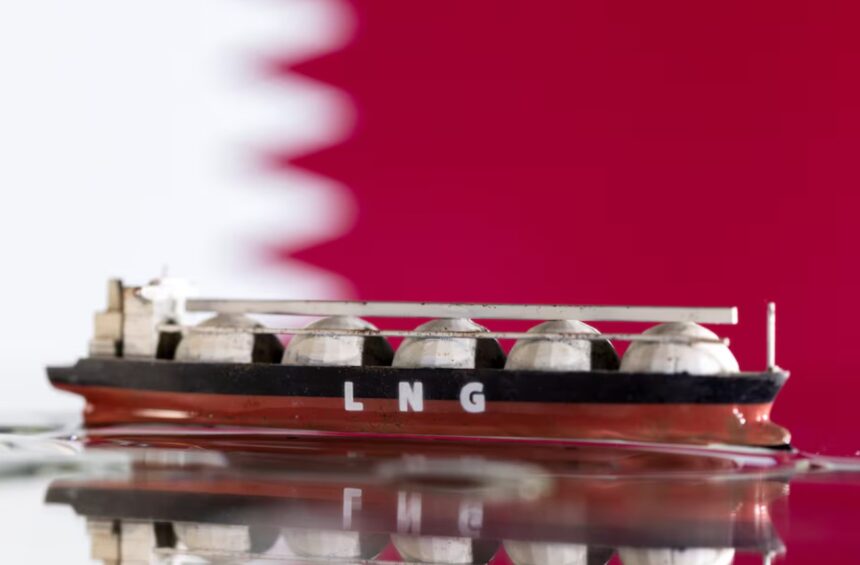
The US and Qatar have raised alarms that the CSDDD could disrupt the liquefied natural gas (LNG) trade with Europe. Both nations argue that the law poses a threat to the affordability and reliability of vital energy supplies, which are crucial for households and businesses across the continent. In a joint open letter, Qatar’s energy minister Saad al-Kaabi and US Energy Secretary Chris Wright warned that the sustainability rules could hinder the future growth and competitiveness of the EU’s industrial economy.
Legislative Developments
Prior to the intervention from the US and Qatar, the European Parliament had already scheduled a vote to discuss potential changes to the CSDDD. The EU aims to finalise these amendments by the end of the year. Initially, the bloc was considering options to exempt more companies from the due diligence requirements, which could include fines amounting to 5 per cent of global turnover for non-compliance.
Industry Opposition
Major corporations, including ExxonMobil, have called for the EU to abandon the sustainability law altogether. They argue that the legislation could force businesses to relocate outside Europe, thereby undermining the EU’s economic stability. The letter from the US and Qatar specifically requested the EU to either repeal the law or modify it to exclude non-EU companies and to remove penalties for failing to comply.
Divided Opinions Within the EU
The CSDDD has sparked a vigorous debate within the EU, with member states expressing differing views on the law’s implications. Leaders from Germany and France have advocated for its complete removal, citing concerns about the competitiveness of European businesses. Conversely, Spain has urged the EU to maintain the regulations to reinforce priorities related to sustainability and human rights.
Collaboration and Conflict Among Lawmakers
On Wednesday, an unexpected coalition of EU lawmakers came together to reconsider the CSDDD, resulting in the shelving of previously agreed changes. This coalition includes both far-right lawmakers seeking to weaken the law further and Green lawmakers who wish to enhance its provisions. The EU’s internal divisions highlight the complex balance between economic interests and sustainability goals.
Qatar’s Commitment to EU Energy Supply
Qatar has been a critical player in supplying LNG to Europe, particularly as the EU seeks to reduce its dependence on Russian energy. Al-Kaabi remarked that unless significant adjustments are made to the due diligence law, Qatar may find it challenging to continue business operations in the EU, including the supply of LNG.
US Role in EU Energy Transition
The United States has emerged as the EU’s primary LNG supplier, accounting for 45 per cent of the bloc’s total supply last year. The US’s involvement is crucial as Europe aims to diversify its energy sources in the wake of geopolitical tensions and the ongoing war in Ukraine. The pressures from both the US and Qatar underline the interconnected nature of global energy markets and the potential ramifications of regulatory changes.
The Path Forward for EU Regulations
The European Commission has yet to respond to inquiries regarding the future of the sustainability law. As discussions continue, the EU must navigate the complex landscape of international relations, economic interests, and its commitment to sustainability. The balancing act between promoting corporate responsibility and maintaining a competitive business environment remains a pivotal challenge for EU lawmakers.
Looking Ahead
As the year progresses, the EU is poised to make crucial decisions regarding the CSDDD. The outcomes of these discussions will not only impact the regulatory framework for businesses operating in Europe but will also have broader implications for the EU’s energy strategy and its role in global sustainability efforts. The ongoing dialogue between EU leaders, US officials, and Qatari representatives will be instrumental in shaping the future of corporate sustainability in Europe.