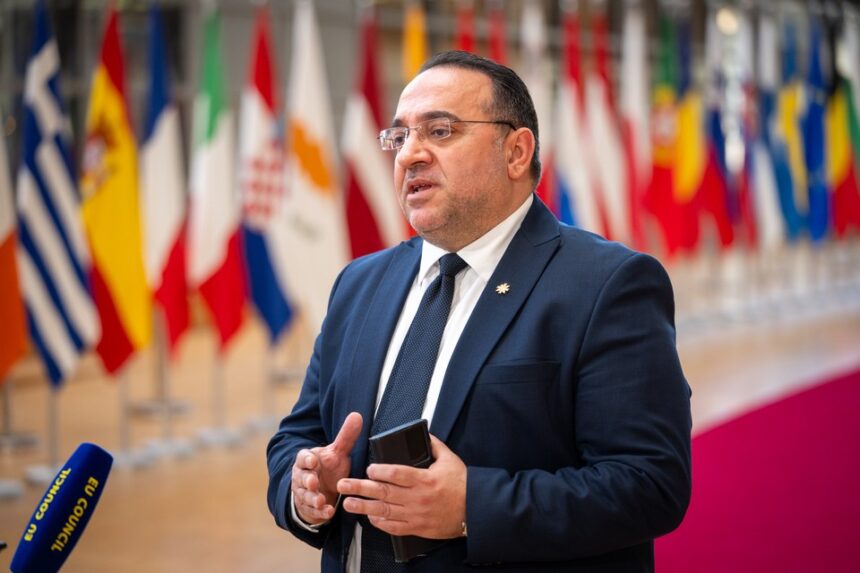
The EU’s Competitiveness Council has officially adopted a plan for sustainable tourism, marking a significant milestone championed by the Cyprus Presidency. Deputy Tourism Minister Kostas Koumis described this achievement as pivotal for shaping the future of the tourism sector across Europe.
Sustainable tourism: A Strategic Framework for Tourism’s Future
Under the title ‘Building a Sustainable and Competitive Tourism for the Future’, the conclusions were approved in Brussels during a meeting chaired by Koumis. This initiative is expected to influence the European Commission’s forthcoming strategy for sustainable tourism, set to be unveiled later this year.
Paving the Way for Resilience and Competitiveness
The Deputy Ministry of Tourism highlighted that securing the endorsement of these conclusions was prioritised at the onset of the Cyprus Presidency. This effort aims to fortify existing policy frameworks and ensure their application in the upcoming EU strategy.
“Tourism is a key driver of growth, employment and cultural exchanges across the EU. Today’s conclusions chart a clear path towards ensuring the long-term resilience and competitiveness of the sector in a rapidly changing environment,” Koumis remarked following the adoption.
Addressing the Needs of Diverse Destinations
The conclusions stress the importance of balanced tourism, focusing on mitigating both over-concentration in popular areas and under-visitation in lesser-known regions. Emphasis is placed on enhancing regional, island, mountainous, and remote destinations, ensuring they receive the attention and support they deserve.
Connectivity and Sustainability at the Forefront
Moreover, the document underscores the necessity for year-round and sustainable connectivity, particularly recognising the reliance of island member states on air links. The green and digital transitions are highlighted as essential drivers of competitiveness, alongside the development of skills, quality jobs, crisis preparedness, and improved governance throughout the tourism ecosystem.
The Geopolitical Landscape’s Impact on Tourism
During the meeting, ministers also deliberated on how ongoing geopolitical tensions in the Middle East are influencing European tourism. Key concerns included escalating energy costs, supply chain disruptions, and the resulting uncertainty within the sector.
“Together with fellow Ministers, we exchanged views on how rising energy costs, supply chain disruptions and growing uncertainty are affecting the tourism sector. The discussion contributed to identifying ways to ensure the sustainability and resilience of the tourism sector at European level,” Koumis noted.
A Commitment to Europe as a Leading Destination
As discussions wrapped up, Koumis expressed satisfaction with the outcomes, stating that the meeting confirmed the collective determination to maintain Europe as the world’s leading tourism destination. “We are committed to ensuring that the sector becomes more sustainable and, of course, more resilient,” he concluded.