Digital nomads and returnees are playing a pivotal role in reshaping Cyprus’ demographics as the island attracts a growing population of remote professionals and skilled citizens returning from abroad.
Digital nomads: Factors Driving Demographic Change
Cyprus has become a hotspot for globally mobile professionals thanks to its conducive environment for remote work, strategic location close to Europe, the Middle East, and Africa, and a climate that allows for outdoor living year-round. Concurrently, many Cypriots are returning home after spending years abroad, motivated by family ties, entrepreneurial aspirations, and a desire for a reassessed lifestyle.
Distinct City Strengths Attract Newcomers
The influx of these two groups is not occurring in isolation. They are arriving in cities that boast specific sector strengths: Limassol is known for finance, Nicosia for policy and academia, Larnaca for aviation and logistics, and Paphos for tourism and creative industries. This demographic shift is impacting rental markets, coworking cultures, and local economies.
Essential Resources for New Arrivals
For newcomers, orientation is crucial, and Cyprus offers a robust ecosystem of guides, newsletters, and platforms focused on urban life. These resources help digital nomads and returnees navigate where to work, eat, and socialise, while also providing insights into local events and seasonal activities. Platforms like Zypern Lifestyle help newcomers integrate into Cypriot society by simplifying their transition and making the island’s offerings more accessible.
Who is Arriving? Understanding the New Demographics
Digital nomads typically hail from sectors such as software engineering, design, content production, and fintech. Their initial stay often lasts between one to three months, during which they seek furnished accommodation near amenities. Once they establish a routine and network, many extend their stays significantly.
Returnees, conversely, are often mid-career professionals or entrepreneurs with extensive experience in countries like the UK, Germany, and Greece. Their motivations include family proximity and the belief that they can build successful careers from Cyprus, given the right conditions for collaboration and access to markets. This group generally looks for stable schooling options and long-term leases, but they often intersect with digital nomads at various professional events.
The Synergy Between Nomads and Returnees
The interaction between digital nomads and returnees creates a unique dynamism in the local economy. Nomads bring fresh perspectives and global connections, while returnees contribute stability and long-term projects. When collaboration spaces and mentoring forums are available, both groups can benefit from each other’s experiences and skills, fostering an environment ripe for innovation and business development.
Navigating Policy and Residency Frameworks
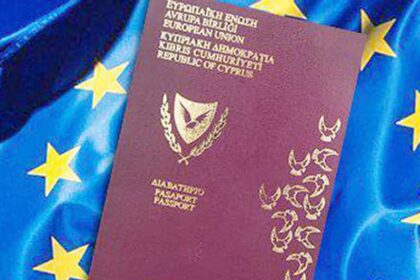
The competitiveness of Cyprus hinges on clear pathways for residency, entrepreneurship, and remote work. Simplified documentation processes and transparent eligibility criteria are crucial for attracting mobile professionals. Access to banking services, along with digitised public services, significantly reduces perceived risks for families making long-term relocations. Effective integration tools, including multilingual resources and liaison services for housing and schooling, are vital for ensuring a smooth transition for newcomers.
City-Specific Trends and Opportunities
Each city in Cyprus offers unique opportunities for newcomers. Limassol has emerged as the primary hub for finance and technology, boasting premium rental options and a vibrant coworking scene. Nicosia provides stability and strong links to academia, making it attractive for families. Larnaca benefits from its airport access and mid-term rental options, while Paphos appeals to those seeking a slower pace and a connection to nature.
Housing Market Pressures and Solutions
The demand for furnished mid-term rentals has surged, particularly in coastal areas, leading to increased competition and rising prices. This situation poses challenges for local residents and essential service workers. To counteract these pressures, initiatives like build-to-rent projects and mixed-use zoning can help address housing shortages and ensure affordability for all residents.
Building a Sustainable Work Infrastructure
Reliable broadband is essential for remote workers, and while café culture and flexible desks are beneficial, they cannot replace the need for stable workspaces. The best coworking spaces now offer more than just desks; they provide networking events, mentorship opportunities, and professional development programming, creating a community-oriented workspace.
Fostering Community and Cultural Integration
Cultural integration in Cyprus is fostered through recurring community activities such as markets, clean-up events, and sports groups. Food plays a significant role in bridging cultural gaps, with local tavernas and modern eateries contributing to a vibrant culinary scene. Language barriers and bureaucratic challenges remain, but community organisers and local media are working to facilitate smoother transitions for newcomers.
Balancing Growth with Sustainability
As Cyprus welcomes more digital nomads and returnees, it faces challenges such as over-tourism, housing affordability, and labour market pressures. Policymakers must strike a balance between encouraging investment and maintaining local interests. Transparent data regarding housing trends and infrastructure capacity will help align private initiatives with public objectives, creating a sustainable environment for all residents.
Looking Ahead: From Temporary to Permanent
Early indicators suggest that temporary stays are lengthening, and returnees are establishing long-term roots. The increasing number of professional meetups and school enrolments reflects a growing commitment to life in Cyprus. If the housing market stabilises and administrative processes improve, the island could transition from being a temporary haven to a long-term hub for diverse talent and innovation.