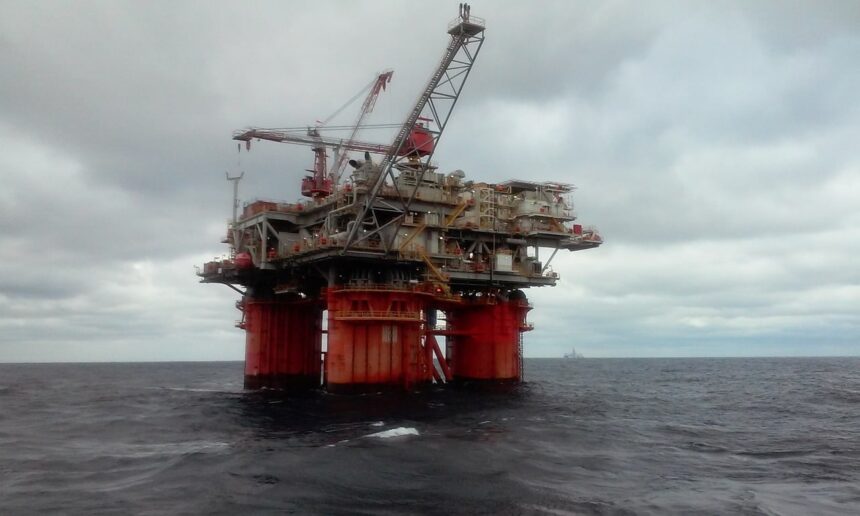
Deep sea mining poses significant threats to ocean biodiversity as the demand for rare earth elements surges globally. With the rising interest in green technologies, countries are looking towards the ocean floor for valuable minerals like nickel, manganese, and lithium, essential for manufacturing batteries and solar panels.
Deep sea: Understanding Deep-Sea Mining
Deep-sea mining involves extracting metals and minerals from the seabed, typically at depths exceeding 200 metres. This emerging industry can be broadly categorised into three types:
- Mining of polymetallic nodules from flat abyssal plains.
- Mining of seafloor massive sulfide deposits near hydrothermal vents.
- Mining of cobalt-rich crusts located on undersea mountain slopes.
Each of these methods poses unique environmental challenges, particularly given the delicate nature of deep-sea ecosystems.
The Mechanics of Extraction
Polymetallic nodules, which lie loosely on the ocean floor, are among the easiest resources to extract. Specialised robotic vehicles operate at depths around 4,000 metres, utilising either robotic arms or hydraulic suction systems to collect these nodules. This process generates sediment plumes, including:
- Collector plumes, created by disturbing the seafloor.
- Discharge plumes, consisting of waste materials released back into the ocean.
As this industry is still in its experimental phase, the full extent of its environmental impact remains largely unknown. Scientists warn that it could lead to irreversible biodiversity loss in previously untouched marine environments.
The Rich Biodiversity of the Deep Ocean
The deep ocean is the Earth’s largest biome, characterised by extreme conditions that have fostered incredibly diverse ecosystems. Much of this environment remains unexplored, and new species are continuously being discovered. Deep-sea habitats include:
- Abyssal plains
- Hydrothermal vents
- Cold seeps
- Ocean trenches
Many organisms in these regions possess unique adaptations, such as bioluminescence, and some species grow and reproduce at extremely slow rates. This makes them particularly susceptible to disturbances from mining activities.
Environmental Concerns Associated with Mining
As the industry expands, concerns are escalating regarding the impact of deep-sea mining on marine biodiversity. Key issues include:
- The destruction of habitats through physical displacement caused by mining equipment.
- Discharge plumes that can travel vast distances, disrupting ecological processes and introducing toxic metals into marine food chains.
- Noise and artificial light from mining machinery, which can disturb species adapted to the darkness of the deep sea.
In addition, the risk of unidentified species becoming extinct before they are discovered adds a layer of urgency to the debate.
Governance and the Push for Regulation
The International Seabed Authority (ISA), established in 1994, governs mining activities in international waters, guided by the United Nations Convention on the Law of the Sea. While regulations exist, many scientists urge a moratorium on deep-sea mining until more is understood about its ecological ramifications. A coalition of 50 countries, including Greece and Cyprus, have publicly opposed mining initiatives.
A Balancing Act Between Economic Development and Environmental Protection
Although the allure of new sources of critical minerals and potential economic benefits is strong, the environmental costs associated with deep-sea mining may far outweigh the advantages. The deep ocean is a vibrant and fragile ecosystem, integral to the planet’s health. As existing threats like climate change and pollution intensify, deep-sea mining could represent a tipping point for biodiversity in these extreme environments.