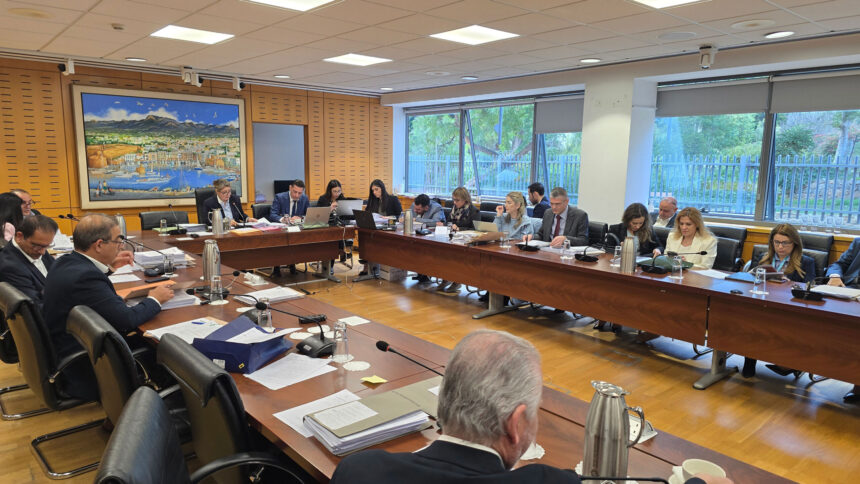
tax reforms — tax reforms — Major disagreements emerged in parliament on Monday, as MPs and interest groups continued debating six government bills related to the proposed tax reform. The discussion centred around the government’s plan to raise the tax-free threshold from €19,500 to €20,500, a move many critics argue is insufficient.
- The House finance committee is set to continue discussions on the tax reform this Friday, with various stakeholders keen to influence the final outcome of these critical proposals.
Critics including the Pasydy trade union, which represents public-sector workers, have called for a more substantial increase, arguing that the proposed adjustment does not adequately account for inflation, especially since the tax regime was last revised two decades ago.
Tax reforms: Concerns Over Tax Relief Discrepancies
Another significant point raised by Pasydy involves the disparity in tax relief available to private individuals compared to corporations. A union representative highlighted that an individual earning €28,000 would receive a mere €200 in tax benefits under the current proposal, while a company with the same income would see a benefit of €2,275.
Fiscal Implications of Raising the Threshold
Tax Commissioner Sotiris Markides responded to the calls for a higher tax-free threshold, stating that every €1,000 increase would result in a loss of approximately €30 million in tax revenue for the state. This financial consideration adds complexity to the ongoing debate.
Opposition to Corporate Tax Increase
Additionally, the Institute of Certified Public Accountants, the bar association, and the Cyprus International Businesses Association (CIBA) expressed strong opposition to the proposed increase in corporate tax from 12.5 per cent to 15 per cent. A representative from the accountants’ association described this change as a significant part of the tax reform, urging authorities to proceed with caution.
According to a study from the University of Cyprus, out of 250,000 registered companies, only 31,000 submitted declarations showing taxable profit, with the majority declaring losses. Alarmingly, half of the corporate tax revenue is generated by just 280 companies, and 30 per cent comes from a mere 30 companies, most of which are not owned by Cypriots. This raises concerns about the dependency of the Cypriot economy on foreign investments.
Impacts on Social Inequality
In the debate, Akel MP Aristos Damianou described the proposed tax reform as “imbalanced,” suggesting it favours higher-income individuals while failing to address the needs of workers and pensioners. He emphasised that a large segment of society would not benefit from the proposed changes.
Akel has announced plans to submit a comprehensive counter-proposal to the government’s plan, which includes raising the tax-free threshold, adjusting tax brackets, and increasing tax credits for families with dependent children. Their proposals also suggest fully exempting provident funds from income tax, permanently reducing VAT on electricity from 19 per cent to 5 per cent, and eliminating VAT on essential goods.
Next Steps in the Legislative Process
The House finance committee is set to continue discussions on the tax reform this Friday, with various stakeholders keen to influence the final outcome of these critical proposals.