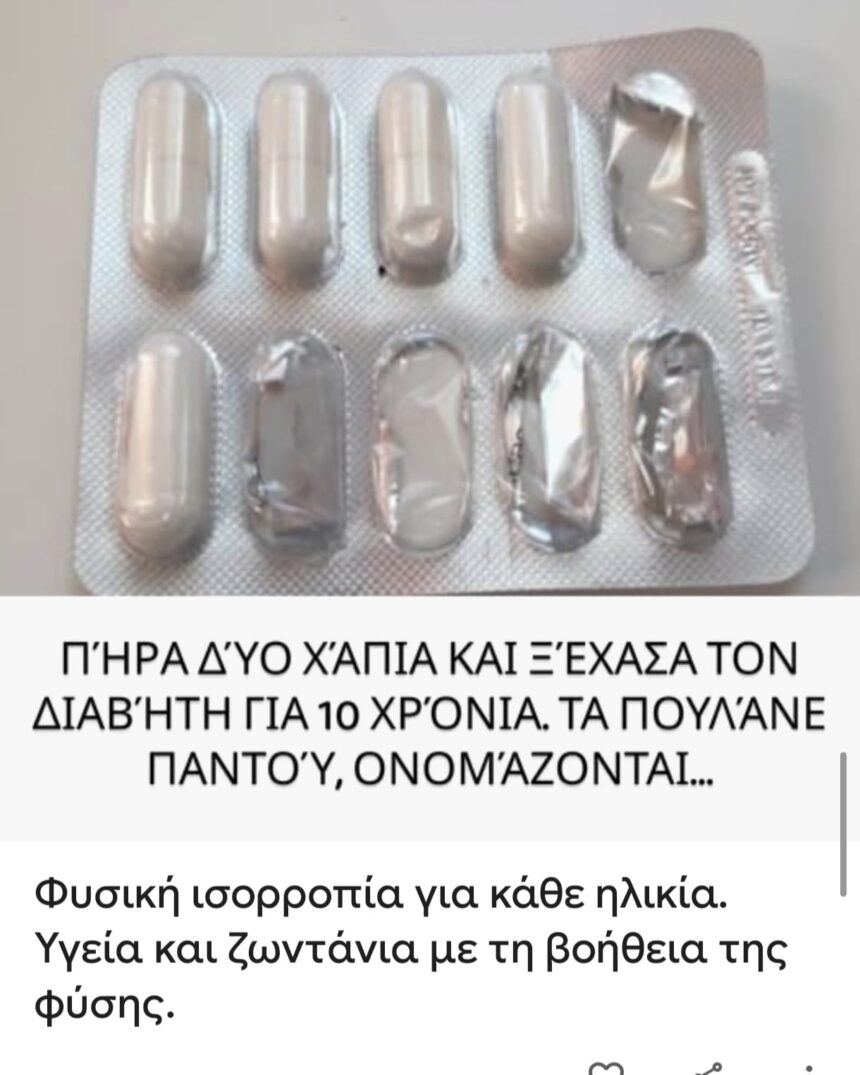
fake diabetes — The internet is currently inundated with fake diabetes cures, prompting Cyprus authorities and health organisations across Europe to issue urgent warnings. These unregulated products, including pills, drops, injectable preparations, and devices, falsely claim to eliminate diabetes, a condition affecting millions worldwide.

Photo: in-cyprus.philenews.com
Fake diabetes: Misleading Advertisements Targeting Diabetics
Recent months have seen a surge in misleading advertisements, particularly in Greece, where diabetics are lured with promises of miracle remedies. Some adverts declare, “Throw away your insulin! Two drops of this cheap drug eliminate all types of diabetes within 12 hours. Available at any pharmacy.” Others entice with claims like, “I took two pills and forgot about diabetes for 10 years. They sell them everywhere.” Such messages pose significant risks, tempting vulnerable patients to abandon their prescribed treatments.

Photo: in-cyprus.philenews.com
False Promises and Dangerous Claims
The claims made by these advertisements are not only misleading but often dangerously inaccurate. Various products are marketed as having approvals from national and international regulatory bodies, such as the European Medicines Agency or the US FDA. However, the reality is that while some preparations may be classified as dietary supplements, their purported “miraculous” effects have not been validated by any independent research.
Global Attention on the Issue
This alarming trend has attracted international media attention over the past two years, especially in the last six months. On 29 September 2025, the medical network Medscape reported on the use of artificial intelligence, particularly deepfake technology, to create videos featuring fake doctors promoting these so-called “natural therapies” for diabetes. These deceptions encourage patients to abandon effective treatments, which experts deem a dangerous new form of misinformation.
Warnings from Health Authorities
Health Canada raised concerns on 27 June 2025 regarding the proliferation of unauthorised glucose metres and smart devices sold online. These products may provide inaccurate readings, leading to dangerous diabetes management decisions. Similar issues were reported in New Zealand, where deepfake advertisements featuring fictitious doctors promoted non-existent diabetes cures.
Statements from Medical Organisations
Diabetes Canada, on 22 May 2025, denounced websites that illegally used its logo to endorse herbal products lacking scientific support. On 5 March 2025, technology outlet Engadget highlighted the emergence of AI-generated videos featuring the voices and images of reputable scientists endorsing supplements that falsely promise to reverse diabetes.
Regulatory Alerts and Health Risks
The World Health Organisation issued a warning on 20 June 2024 regarding counterfeit drugs used for treating diabetes and obesity, emphasising that these products may contain harmful substances or incorrect dosages. On 3 September 2025, the European Medicines Agency reported a dangerous increase in illegal diabetes and weight-loss drugs available online, noting that most of these websites operate without proper licensing and oversight.
The Importance of Patient Safety
The overarching message from organisations responding to this issue centres on patient safety. No independent research has substantiated the efficacy of these online products, and some may contain ingredients that could dangerously interact with prescribed diabetes medications. Pathologist-diabetologist Panagiotis Dimosthenous warned that while there are genuine medical methods to delay the onset of diabetes, such as bariatric interventions, these cannot be achieved through unregulated online products.
Myths and Misinformation
Many adverts perpetuate a myth that doctors refuse to reveal these miraculous products due to financial interests in prescribing medications. This narrative further distances patients from seeking proper medical advice. Dimosthenous advises that patients should consult their pharmacists for accurate information and highlights the importance of relying on approved websites for health products.
Consequences of Misinformation
Replacing prescribed medical treatments with unverified products can lead to severe dysregulation of blood sugar levels. Dimosthenous emphasised that such actions could result in harmful health consequences. The fundamental principle for health remains: do not purchase health products from non-approved websites or without a doctor’s guidance.